



In the professional landscaping, forestry management, and agricultural sectors, selecting the precise cutting consumable is paramount for operational efficiency and equipment longevity. The absolute compatibility between a brush cutter's power output, its mechanical drive shaft, and the blade's geometry dictates the safety and success of vegetation clearing. As a leading manufacturer of power tool accessories, we provide this rigorous technical guide to standardizing blade selection based on equipment specifications.
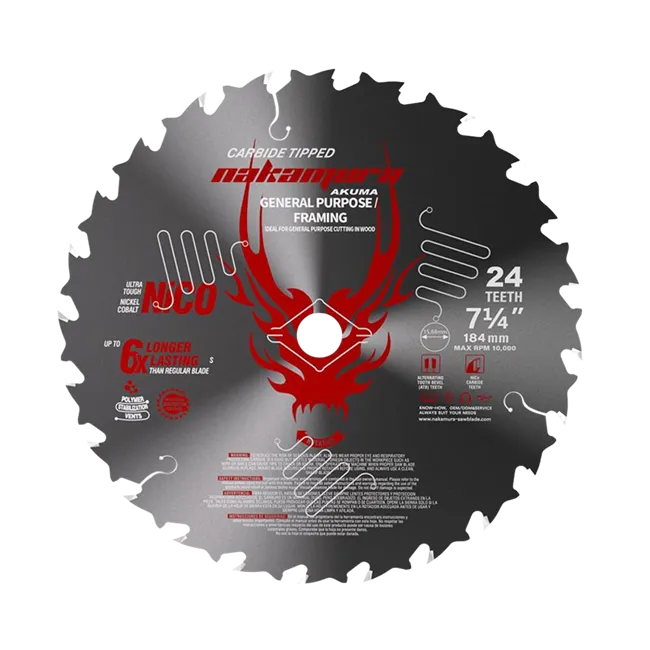
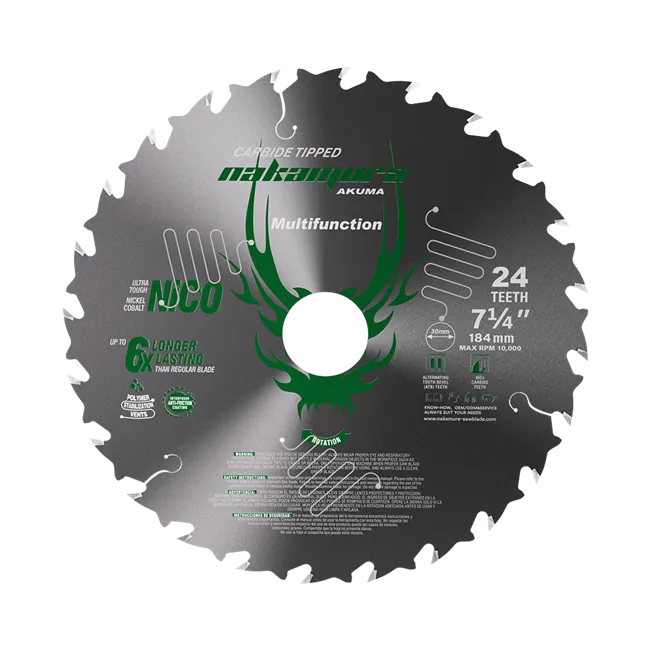
Power Ratings and Entry-Level Clearing Applications Equipment power-measured in cubic centimeters (cc) for combustion engines or voltage (V) for lithium-ion systems-defines the torque capacity of the tool. For mid-range, straight-shaft brush cutters (typically 30cc to 40cc, or 40V to 60V systems) operating in dense weeds and thick brambles, the cutting accessory must balance aggressive material removal with low motor resistance. In these scenarios, deploying a precision-engineered 24T TCT Saw Blade provides the optimal solution. The specialized 24-tooth geometry reduces the overall rotational mass, preventing engine bog-down while delivering clean, efficient shearing action across mixed vegetation.
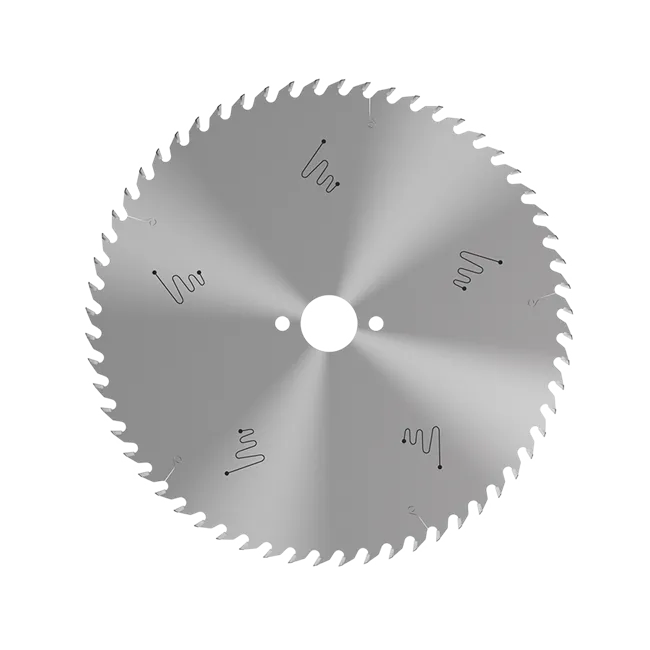
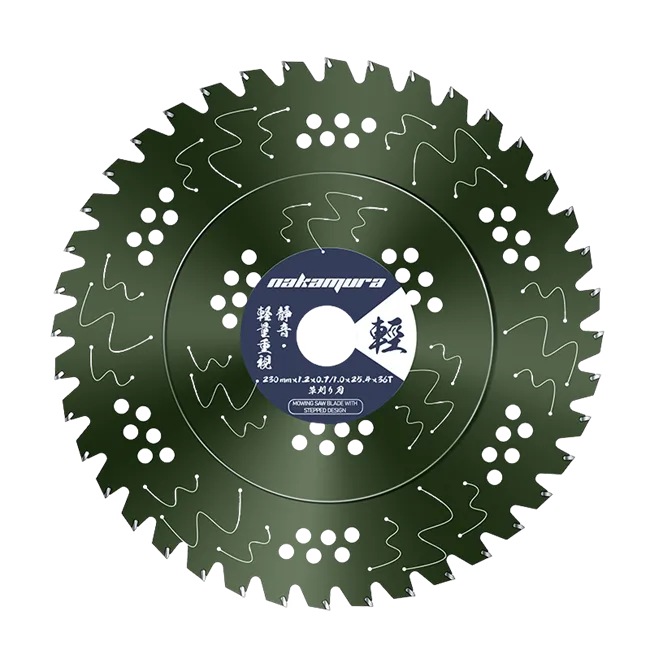
Heavy-Duty Forestry and Woody Sapling Management When operations escalate to heavy-duty forestry clearing, utilizing high-displacement brush cutters (exceeding 45cc or commercial 80V platforms), the dynamic stress placed on the cutting tool is immense. Clearing thick brush and woody saplings requires industrial-grade consumables. For these extreme applications, operators must equip their machinery with a heavy-duty TCT Circular Grass Saw Blade. It is critical to note that in premium manufacturing, the micro-grain tungsten carbide tips on these blades are secured using advanced laser welding technology. This completely supersedes outdated hot-press methods, ensuring the carbide teeth maintain structural integrity and withstand severe, high-RPM impact without detaching.
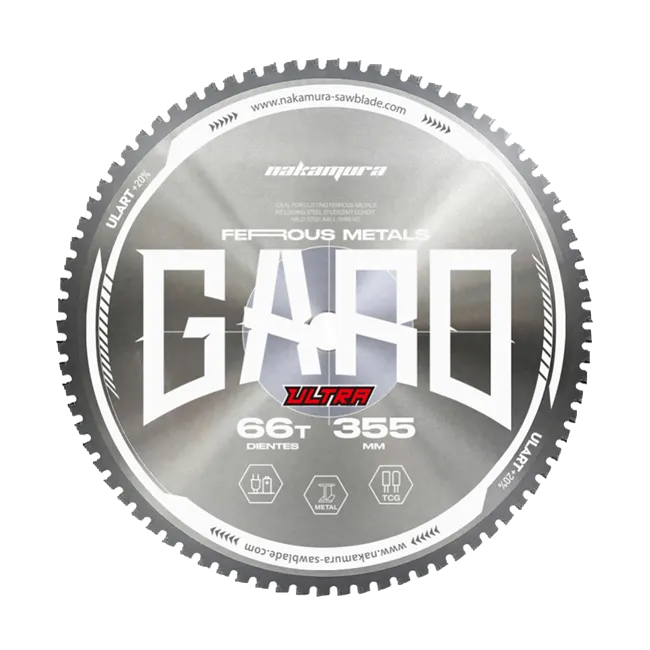
Metallurgical Standards and Strict Operational Boundaries A fundamental safety protocol in groundskeeping involves understanding metallurgical properties and strict tool categorization. Brush cutter blades are forged from high-carbon spring steel (such as 65Mn) designed to absorb shock; they are never made from brittle materials like stainless steel. Furthermore, operators must strictly separate landscaping tools from metal fabrication tools. Under no circumstances should vegetation clearing equipment be used to cut hidden metal debris like wire or nails. For industrial metal processing, such as severing angle iron or steel pipes, facilities must rely on dedicated, low-RPM dry-cut saws equipped with a specialized Cold Cut Metal Saw Blade. Cross-applying low-RPM metal cutting blades to high-RPM landscaping trimmers creates catastrophic safety hazards and mechanical failures.


Mechanical Constraints: Straight vs. Curved Shafts Beyond power output, the internal mechanics of the trimmer dictate blade compatibility. Metal cutting blades must exclusively be mounted on "straight-shaft" brush cutters equipped with a solid steel drive shaft and a heavy-duty bevel gearbox. Attempting to mount any metal blade on a low-power "curved-shaft" trimmer-which utilizes a flexible drive cable designed only for nylon string-will result in immediate cable snapping and motor burnout upon impact.
Conclusion Professional vegetation management requires absolute adherence to mechanical compatibility and metallurgical standards. By matching the correct tooth count, blade weight, and manufacturing technology (such as laser-welded TCT) to the exact power specifications of the brush cutter, processing facilities and landscaping firms can maximize their operational ROI while strictly adhering to safety protocols. For B2B procurement of industrial-grade cutting consumables, our engineering team is prepared to provide tailored manufacturing solutions to meet your specific market demands.