


Can a carbide saw blade be used for cutting softwood? Yes. Carbide-tipped saw blades are widely used in woodworking and can be a suitable choice for softwood such as pine, spruce, and fir.
The key, however, is choosing the right blade geometry, tooth count, and specification for the cutting application.
Why Use a Carbide Saw Blade for Softwood?
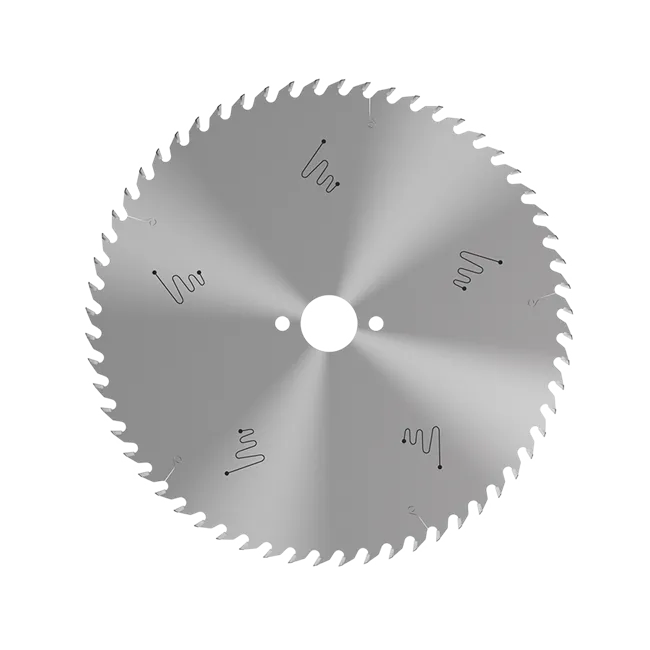
Carbide tips provide high hardness and wear resistance, allowing the blade to maintain its cutting edge through repeated cuts. For softwood, the right carbide blade can provide efficient cutting and a clean finish in applications such as cross-cutting, ripping, and general sizing.
The blade's tooth geometry is also important. For example, a lower tooth count is generally suitable for faster, more aggressive cuts, while a higher tooth count can provide a finer finish.
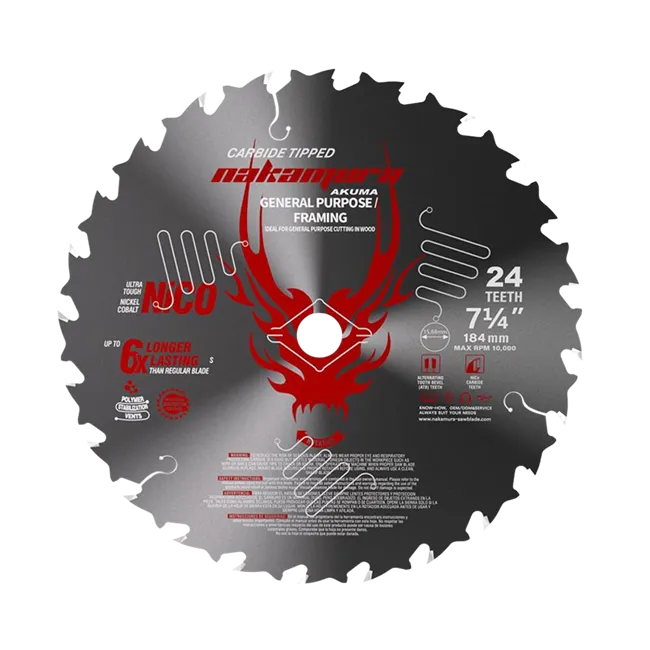
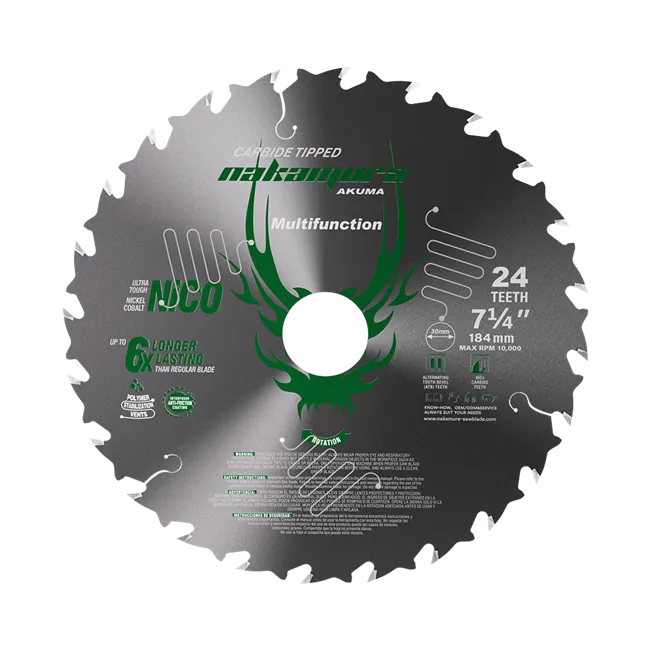
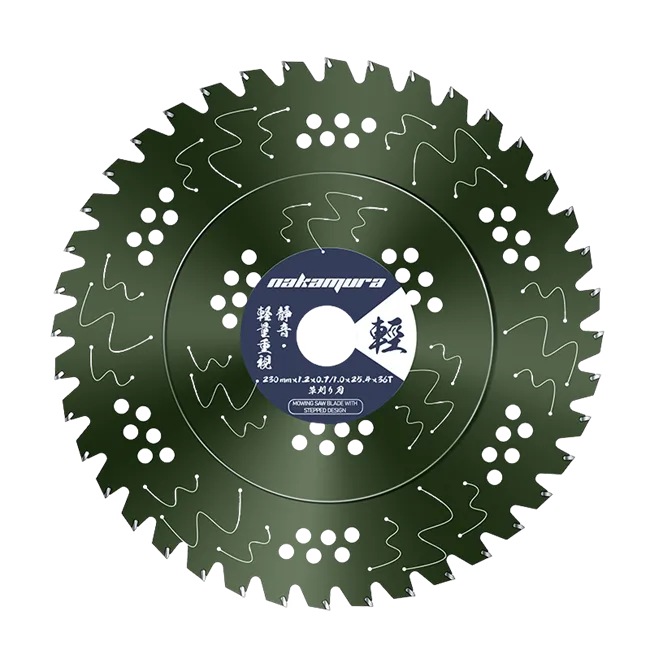
For general-purpose cutting, NAKAMURA's Multipurpose Chop Saw Blade is designed for applications involving wood, aluminum, plastic, and selected light materials.
For handheld circular saw applications, the 185mm Multipurpose Circular Saw Blade is another option for mixed-material cutting, including wood. The 185mm format is also commonly used for general construction and woodworking applications.
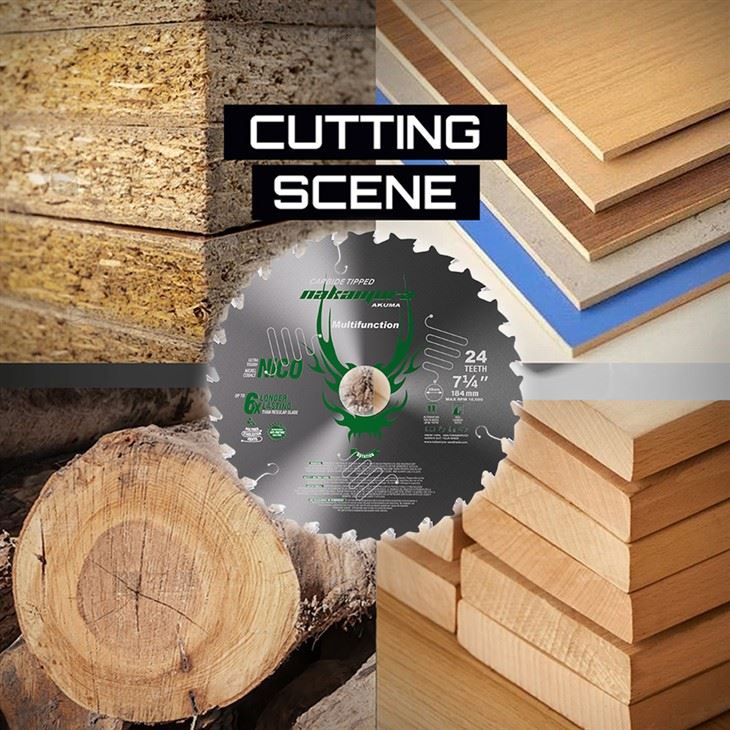
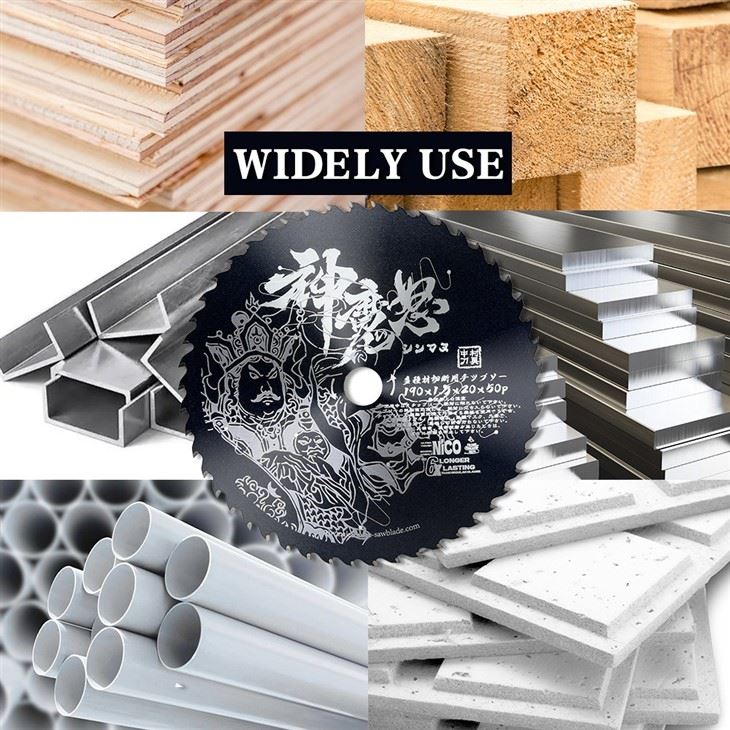
For buyers looking for a larger size, the Multipurpose Saw Blade 190mm is available as part of NAKAMURA's multipurpose blade range. Different diameters and tooth configurations can be selected according to the machine and material requirements.
What Should You Consider?
When choosing a carbide saw blade for softwood, consider:
Tooth count: Fewer teeth generally provide faster cutting and better chip clearance; more teeth can produce a finer finish.
Tooth geometry: ATB and other geometries can be selected according to the desired cutting result.
Blade diameter and bore: Both must match the saw.
Blade RPM: Never exceed the maximum rated RPM of the blade.
Cutting application: Ripping, cross-cutting, and general-purpose cutting may require different blade designs.
Blade condition also matters. Resin and sawdust can accumulate on the teeth and reduce cutting efficiency, so regular cleaning and proper storage can help maintain performance.
Conclusion
Carbide saw blades can be an excellent choice for cutting softwood because they combine wear resistance, cutting efficiency, and consistent performance. However, the best result depends on matching the blade's tooth geometry, tooth count, size, and machine compatibility to the specific woodworking application.
For professional woodworking or DIY projects, selecting the right carbide blade can help achieve efficient cuts while reducing unnecessary blade changes.