



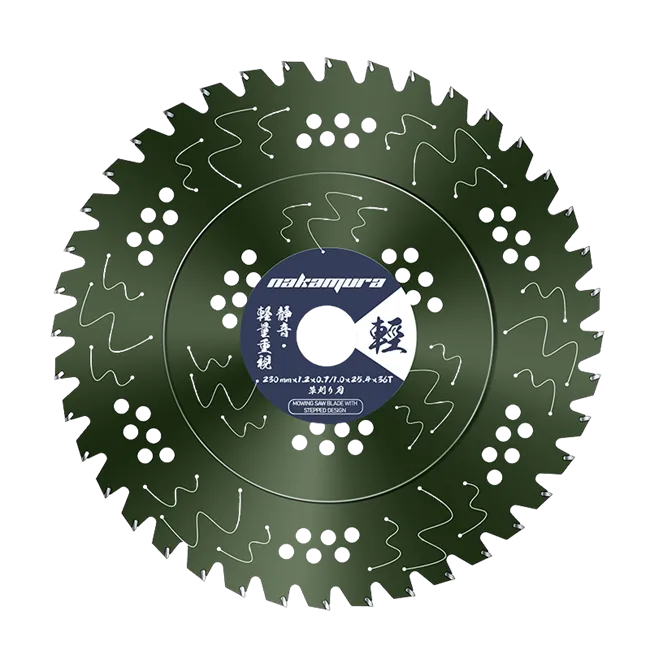
In the world of cutting tools, carbide saw blades stand out as indispensable assets for their durability and precision. As a leading carbide saw blade supplier, I've witnessed firsthand how these blades can transform cutting operations in both industrial manufacturing and DIY projects. However, a blade's performance is influenced by a multitude of factors. Understanding these is crucial for optimizing functionality and achieving flawless results.
Premium Raw Materials
The performance of a carbide saw blade begins with its raw materials. Carbide-specifically tungsten carbide bound with materials like cobalt-gives the blade its cutting edge. High-grade blades utilize micro-grain tungsten carbide, which offers the perfect balance of extreme hardness and high wear resistance, ensuring a longer lifespan and cleaner cuts.
The blade's core (or body) is equally vital. High-performance blades use laser-cut, high-strength tool steel rather than stamped steel. Laser cutting prevents internal stress, ensuring the blade remains perfectly flat and stable under high RPMs, preventing warping during operation.
Precision Manufacturing Process
Crafting a premium carbide saw blade is a high-tech operation. After the steel body is laser-cut and tensioned, the carbide tips are precision-brazed onto the blade. This process requires exact temperature control to ensure the tips are permanently bonded.
Following brazing, the teeth undergo multi-axis CNC grinding to perfect the tooth geometry (rake angle, clearance angle, and kerf width). A meticulously ground tooth minimizes friction, heat, and dust generation.

Application-Specific Tooth Design
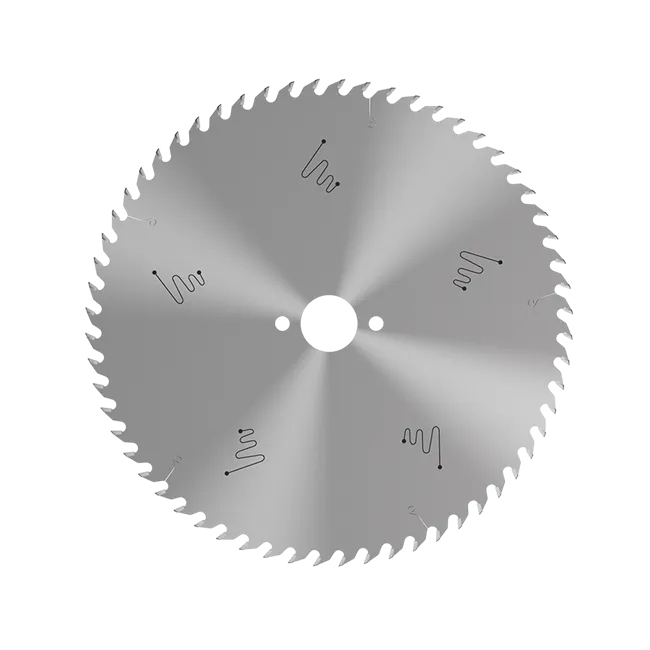
Tooth design and configuration dictate what a blade can cut effectively. A blade with a high tooth count (ATB or Hi-ATB grind) is ideal for making ultra-fine, tear-out-free cuts in materials like melamine, plywood, or plastics.
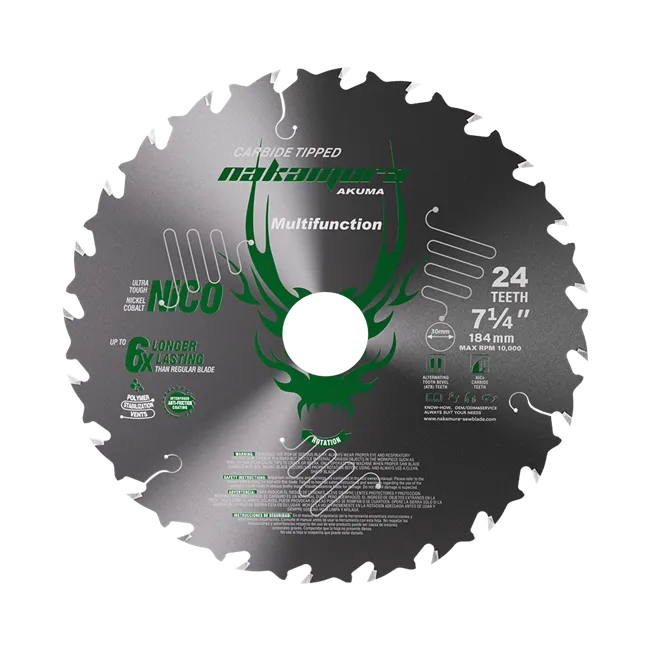
Check out our Multipurpose Saw Blade that delivers exceptionally smooth cuts across various composite materials.
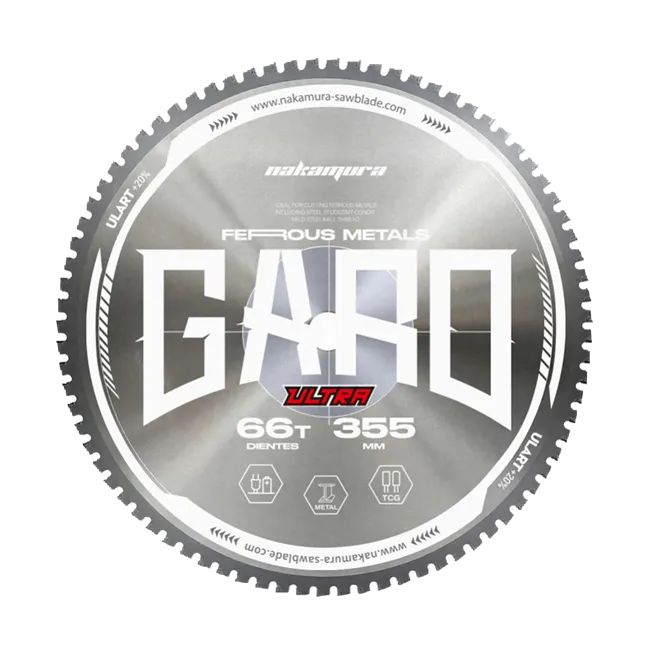
Conversely, for ripping natural hardwoods, a blade with fewer teeth and a positive rake angle is preferred for fast material removal. However, cutting non-ferrous metals requires a specific approach. Cutting aluminum demands a high tooth count, a Triple Chip Grind (TCG), and a negative hook angle to prevent the blade from grabbing the metal.
For safe and precise metalwork, explore our specialized 10-Inch Aluminum Cutting Saw Blade.
Optimal Cutting Conditions
Even the best blade requires the right operating conditions. Matching the blade to the material is non-negotiable-while carbide slices effortlessly through wood, plastic, and mild steel, it should not be used on hardened steel.
Cutting speed (RPM) and feed rate are also critical. Pushing material too quickly (high feed rate) causes dangerous kickback and chips the teeth, while feeding too slowly causes friction, burning the material and dulling the blade.
Advanced Coatings
Modern carbide saw blades often feature specialized coatings. PTFE (Teflon) or electroplated anti-rust coatings prevent pitch build-up, reduce friction, and protect against corrosion. For industrial metal-cutting, advanced coatings like Titanium Aluminum Nitride (TiAlN) are sometimes applied to handle extreme heat and wear.
Upgrade your industrial operations with our highly durable Tungsten Carbide Circular Saw Blade featuring advanced surface treatments.

Maintenance and Machine Compatibility
Lastly, compatibility and care ensure longevity. The blade's diameter and arbor size must perfectly match your saw to prevent vibration and machine damage. Regularly cleaning your blade to remove resin build-up-and sharpening it when the edges dull-will drastically extend its working life.
As a dedicated supplier, we engineer our blades taking all these precise variables into account. Whether you need a 7-1/4" blade for framing or a 900mm industrial blade for aluminum extrusion, we have the right solution for you. Contact us today to discuss your cutting needs!