




In woodworking, metal fabrication, construction, and industrial cutting, edge quality is more than just appearance. A clean and stable cut can reduce rework, improve assembly accuracy, and save time in secondary finishing. That is why choosing the right carbide circular saw blade is essential for professional users and industrial buyers.
Edge quality usually refers to how straight, smooth, and clean the cut surface is. It also includes whether the material shows tear-out, burrs, burning marks, heat discoloration, deformation, or rough edges. Since wood and metal behave very differently during cutting, the blade design must match the material, machine, and cutting purpose.
Edge Quality in Wood Cutting
In wood cutting, edge quality is mainly related to surface smoothness, fiber tear-out, chipping, and cutting stability. Solid wood, plywood, MDF, OSB, laminated board, and engineered panels all require different blade designs.
For fast cutting in construction lumber or rough wood, a lower tooth count can improve chip removal and cutting speed. For plywood, MDF, laminated panels, and fine woodworking, a higher tooth count and sharper tooth geometry are usually preferred because they help reduce chipping and produce a cleaner surface.
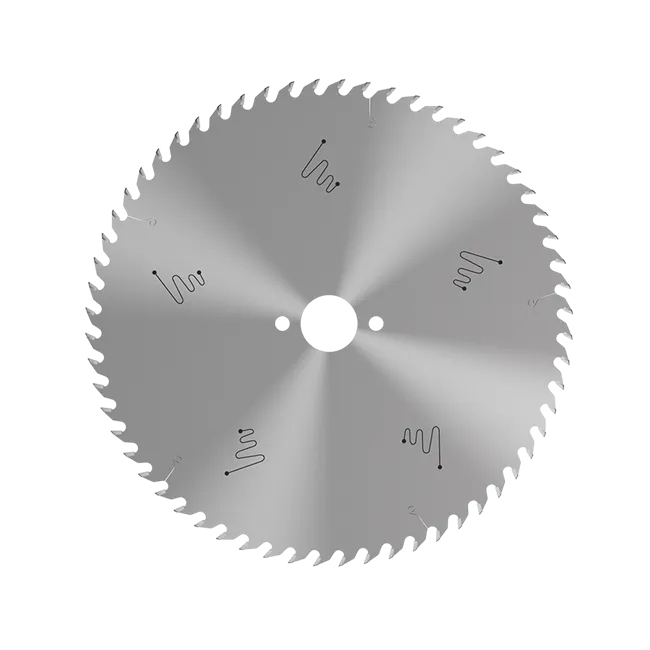
Nakamura Wood Carbide Saw Blades are designed for a wide range of woodworking applications, including solid wood, engineered wood, plywood, MDF, and other panel materials. By selecting the right diameter, tooth count, kerf, and tooth geometry, users can achieve better edge quality for different cutting tasks.

Key Factors That Influence Wood Cutting Quality
- The first factor is tooth geometry. ATB tooth geometry is commonly used for cross-cutting wood and cutting panel materials because it helps slice wood fibers more cleanly and reduce tear-out.
- The second factor is tooth count. More teeth generally create a smoother cut, but the cutting speed may be slower. Fewer teeth remove chips faster and are better for fast ripping or rough cutting. The best choice depends on whether the user needs speed, finish quality, or a balance of both.
- The third factor is blade stability. Blade runout, poor installation, worn machine bearings, or an unstable workpiece can cause vibration, wavy cuts, chipping, and burning marks. A stable blade body, proper tensioning, and accurate mounting are important for consistent edge quality.
- The fourth factor is feed rate. If the feed is too fast, the blade may tear the material instead of cutting it cleanly. If the feed is too slow, friction and heat can increase, which may cause burning or premature tooth wear. A steady and controlled feed rate helps produce a cleaner edge.
Recommended for Precision Wood Cutting: Akuma-Zero Series
For users who need cleaner edges on plywood, MDF, OSB, integrated wood, and decorative panels, Nakamura Akuma-Zero Series is a suitable choice.
This series is designed for stable cutting, reduced resistance, and improved cutting efficiency. With optimized tooth geometry, a low-friction coating, and a stable blade body, Akuma-Zero blades help reduce vibration, minimize chipping, and improve edge consistency.
For finer edge quality, users can choose a higher tooth count. For faster cutting, a lower or medium tooth count may be more suitable. The correct choice should always depend on the material, cutting direction, and machine type.

Edge Quality in Metal Cutting
Metal cutting is very different from wood cutting. Metal materials are harder, denser, and more sensitive to heat buildup during cutting. Poor blade selection can cause burrs, sparks, heat discoloration, tooth damage, or material deformation.
A high-quality metal cut should be straight, stable, and relatively clean, with reduced burrs and limited heat effect. To achieve this, users need a metal-specific blade, a rigid machine, proper workpiece clamping, correct speed, and controlled feed.
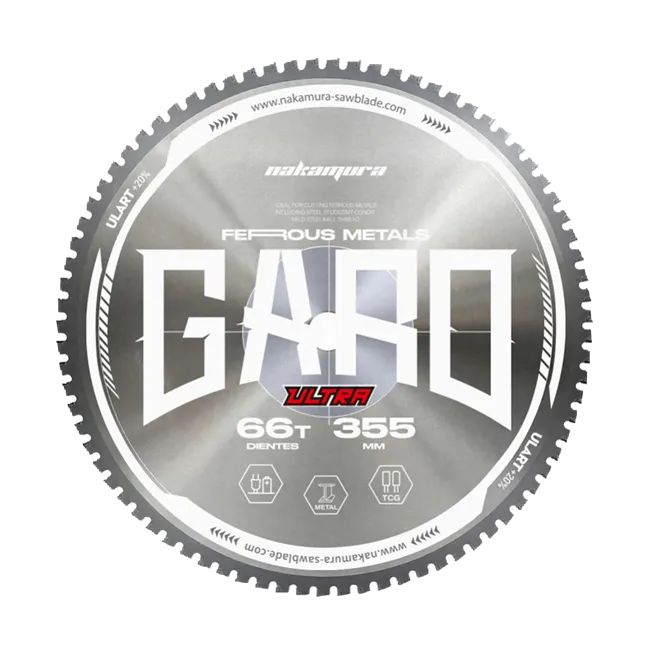
Nakamura 10 Inch Metal Cutting Circular Saw Blade is designed for metal cutting applications where accuracy, durability, and reduced burrs are important. Compared with abrasive cutting methods, the right metal circular saw blade can help reduce sparks, lower heat impact, and improve cut consistency.

How to Reduce Burrs in Metal Cutting
- First, always use a blade designed for metal. A wood TCT blade should not be used for cutting steel, because this may cause tooth breakage, kickback, poor cutting results, or safety risks.
- Second, match the blade to the metal type. Aluminum, non-ferrous metals, mild steel, stainless steel, thin-wall tubing, and structural profiles may require different tooth geometries, rake angles, tooth counts, and tip materials.
- Third, clamp the workpiece firmly. Vibration or movement during metal cutting can increase burrs, reduce accuracy, and damage the teeth.
- Fourth, control the feed rate. Feeding too fast can increase tooth impact and burr formation. Feeding too slowly can increase friction and heat, which may reduce blade life. A stable feed rate helps improve both edge quality and tool life.
How to Choose a Circular Saw Blade for Better Edge Quality
If the goal is fast material removal, choose a blade with fewer teeth and better chip clearance. If the goal is a cleaner finish, choose a blade with more teeth, finer tooth geometry, and a stable blade body.
For plywood, MDF, and laminated panels, focus on anti-chipping performance. For solid wood, choose the tooth count and tooth geometry according to ripping or cross-cutting. For metal, always choose a blade specifically designed for the material being cut.
Users should also check the blade diameter, bore size, kerf, plate thickness, maximum RPM, and machine compatibility. Even a high-quality saw blade cannot deliver good edge quality if it is installed on the wrong machine or used under incorrect cutting conditions.
Conclusion
Carbide circular saw blades can provide excellent edge quality, but only when the blade, material, machine, and cutting parameters are properly matched. A clean cut does not come from blade price alone. It comes from the right blade design, stable equipment, correct installation, and proper operation.
For wood cutting, Nakamura wood carbide saw blades and Akuma-Zero Series can help users achieve cleaner edges and more stable cutting performance. For metal cutting, a dedicated metal cutting circular saw blade is required to reduce burrs, control heat, and improve cutting efficiency.
If you need help selecting circular saw blades for wood, engineered panels, aluminum, or metal materials, contact us for specification recommendations, sample testing, and OEM/ODM customization support.