



In heavy-duty industrial machining, selecting the appropriate cutting tool requires a rigorous understanding of metallurgy and kinematics. A frequent inquiry from procurement engineers is whether standard Tungsten Carbide Tipped (TCT) saw blades can safely process railway rails. To address this, we must analyze the specific material properties of rail steel and contrast them with the engineering limits of conventional saw blades.
Material Hardness and Non-Ferrous Limitations
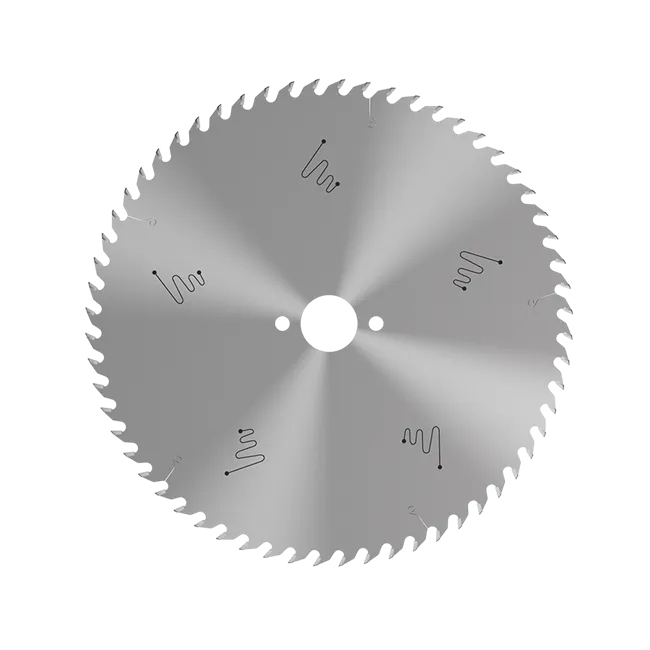
To understand cutting limits, one must differentiate between non-ferrous and ferrous metals. Non-ferrous materials, such as aluminum extrusions, are relatively soft and require specific geometries to prevent material adhesion. For instance, a 10 Inch Aluminum Cutting Saw Blade is engineered with a Triple Chip Grind (TCG) and high operational RPMs to shear through soft alloys seamlessly. However, applying this exact same tungsten carbide tool to high-carbon ferrous metals would result in immediate catastrophic tool failure.
The Complex Metallurgy of Railway Rails
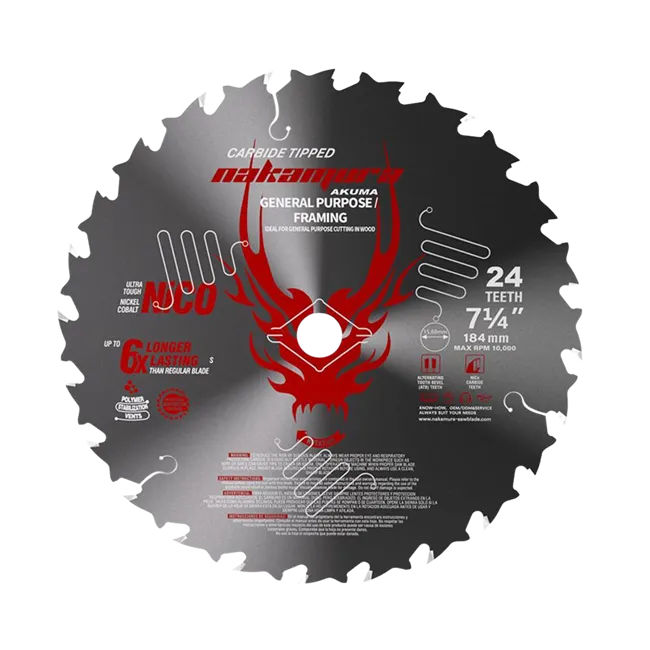
Railway rails are not standard mild steel. They are forged from high-carbon, high-manganese alloy steel designed to withstand monumental compressive loads and constant friction. Furthermore, they exhibit severe work-hardening properties. Attempting to cut this grade of steel with a standard Aluminum Circular Saw Blade or any basic TCT wood/metal blade is a severe safety violation. The extreme hardness will cause standard positive-hook carbide tips to shatter instantly upon impact, creating hazardous shrapnel.
The Reality of "Multipurpose" Applications
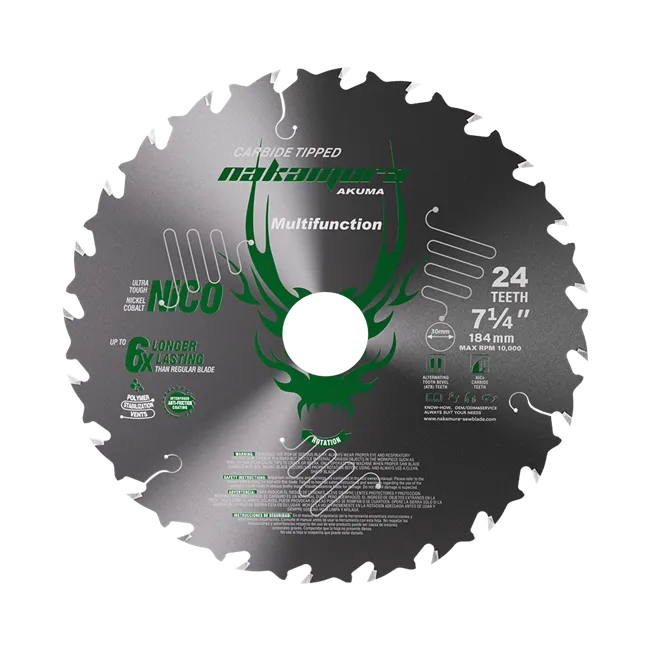
Another common misconception involves utilizing cross-functional tools for extreme industrial tasks. While a high-quality Multipurpose Chop Saw Blade is highly efficient for processing mild steel profiles, iron rebar, and plastics in general construction, it is not engineered for the extreme tensile strength of solid manganese rail steel. Cross-functional blades maximize versatility in mild environments but lack the micro-geometry required for ultra-hard solid billets.


Advanced Laser Welding and High-Tooth Density
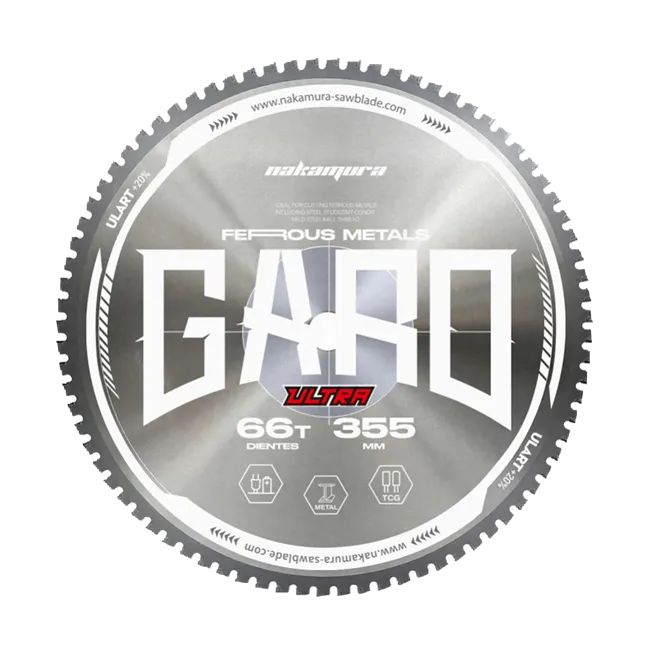
When engineered properly, highly specialized carbide and cermet cold saws can cut rail steel, but they must adhere to strict manufacturing protocols. First, the mechanical shock of cutting manganese steel requires ultra-fine tooth pitches (extremely high tooth counts) to minimize the chip load per tooth. Low tooth counts will instantly destroy the blade. Secondly, outdated hot-press methods are insufficient for this stress level. The carbide or cermet tips must be affixed to the alloy steel body utilizing state-of-the-art laser welding technology, ensuring the molecular bond does not fail under extreme torque.
Operational Mandates: RPM and Coolant
Cutting rail steel with specialized laser-welded cold saws requires dedicated machinery. The process mandates extremely low spindle speeds (RPM) and high torque. High-speed abrasive chop saws cannot be retrofitted with TCT blades for this purpose. Furthermore, a constant, high-pressure flood coolant or Micro-Quantity Lubrication (MQL) system is absolutely mandatory to prevent thermal degradation of the carbide binder and to mitigate the work-hardening of the rail surface.
Conclusion
Standard carbide and multipurpose saw blades cannot, and should not, be used to cut railway rails. Processing high-manganese rail steel demands specialized, laser-welded cermet or industrial carbide cold cut blades operated on dedicated, low-RPM machinery. By adhering to strict metallurgical matching and rejecting improper tool cross-application, industrial facilities can ensure absolute operational safety and maximum cutting efficiency.