



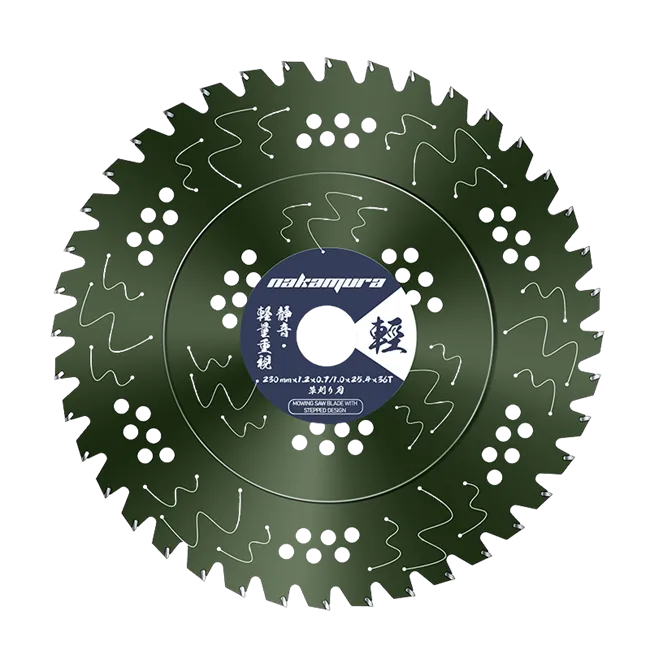
Cutting particleboard demands absolute precision, operational efficiency, and the exact right cutting tools. As a seasoned supplier of industrial power tool accessories, we understand the specific engineering required to tackle composite woods. Particleboard-a dense composite made from wood chips, sawdust, and synthetic resins-is notorious for severe chipping and tear-out if approached with the wrong equipment.
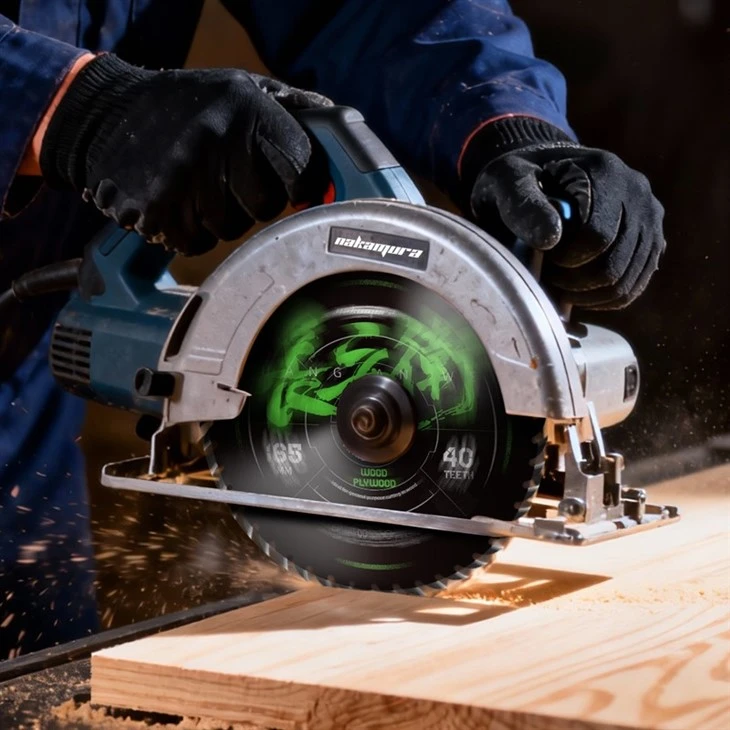
Whether you are a cabinet maker or a construction professional using a portable setup with a 6.5 Inch Circular Saw Blade, selecting the correct tooth geometry and blade material is the difference between a flawless edge and a ruined workpiece. In this guide, we will delve into the technical factors you must consider to achieve tear-free cuts.
Key Factors in Blade Selection
1. Tooth Count and Diameter Proportions
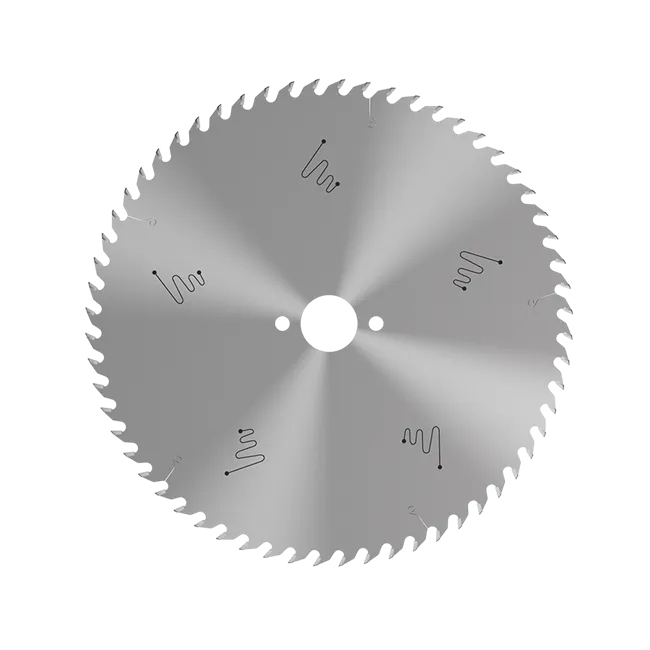
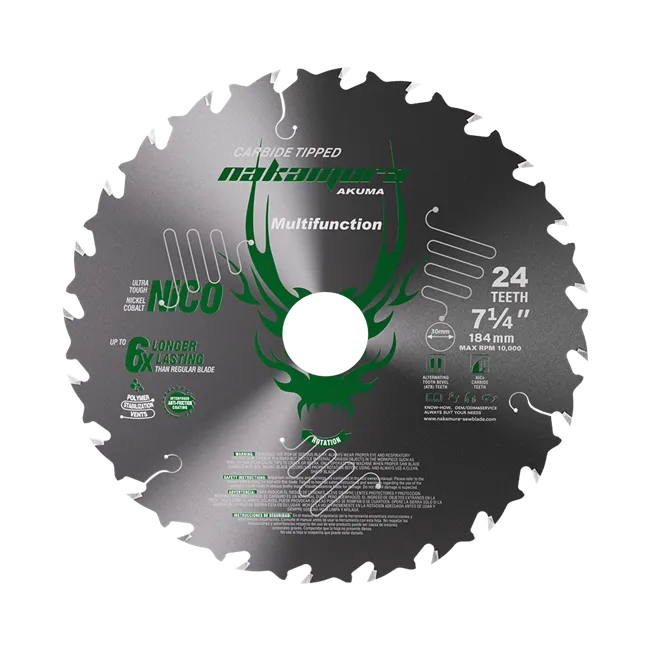
The tooth count of a circular saw blade is fundamental to the finish quality. However, the ideal count depends entirely on the blade's diameter. For portable track saws or standard circular saws, a Wood 48 Tooth TCT Blade offers the perfect high-density tooth ratio for 6.5-inch to 7.25-inch diameters. This configuration provides a remarkably smooth, clean cut through abrasive particleboard without clogging the gullets or overheating the motor. For larger 10-inch table saws, upgrading to a 60T or 80T blade is standard practice.
2. Advanced Material and Manufacturing
Because particleboard is bound with highly abrasive glues, standard steel blades will dull instantly. You must exclusively use Tungsten Carbide Tipped (TCT) blades. Furthermore, top-tier industrial blades abandon outdated hot-press methods. Instead, they utilize precision laser welding to attach the carbide tips to the steel body. This laser-welded construction ensures maximum structural integrity, preventing tooth loss during high-rpm cutting and extending the blade's lifespan drastically.

3. Transitioning Between Job Site Materials
While high-tooth TCT blades are mandatory for wood composites, job sites often require cutting diverse materials. If your project shifts from cabinetry to exterior siding, you cannot use your wood blade. You must switch to a dedicated Fiber Cement Circular Saw Blade. Engineered with ultra-hard Polycrystalline Diamond (PCD) tips and a low tooth count, this specific blade minimizes hazardous dust and effortlessly shears through abrasive fiber cement boards, protecting your standard particleboard blades from instant destruction.
Essential Tooth Geometry (ATB vs. TCG)
For particleboard (especially melamine-faced board), tooth geometry is non-negotiable.
- Alternate Top Bevel (ATB) or Hi-ATB: The alternating sharp points slice cleanly through the surface veneers, drastically reducing tear-out on the top edge.
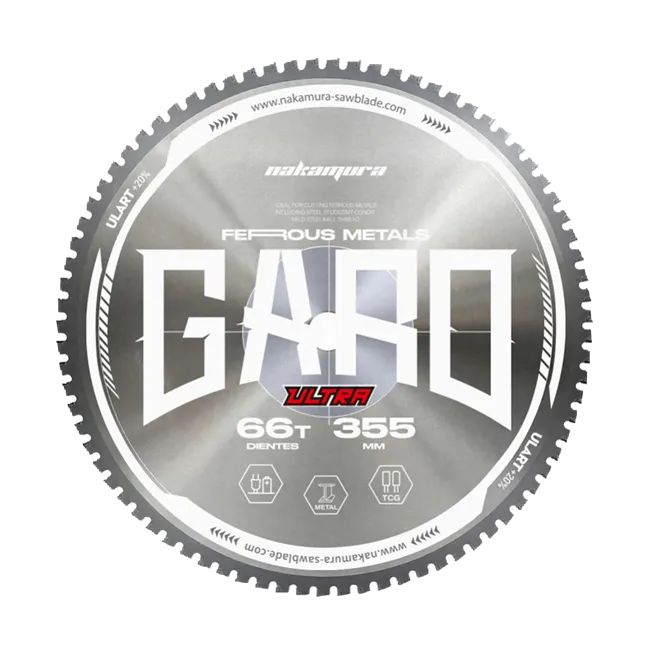
- Triple Chip Grind (TCG): Ideal for extreme durability. The TCG alternates between a flat finishing tooth and a chamfered roughing tooth, making it highly resistant to the abrasive resins in particleboard.
Pro Tips for Cutting Particleboard
To guarantee a successful, splinter-free experience, pair your premium blades with these techniques:
- Set the Correct Depth: Adjust your saw so the blade extends only 1/8 to 1/4 inch below the material. This optimizes the cutting angle and reduces upward tear-out.
- Use a Backer Board: To prevent blowout on the exit side of the cut, place a sacrificial piece of scrap wood firmly beneath your particleboard.
- Maintain Steady Feed Rates: Do not force the saw. Let the laser-welded carbide teeth do the work at a steady, moderate pace to prevent friction burns.
By understanding the mechanics of tooth geometry, relying on laser-welded TCT technology, and matching your blade strictly to the material, you can achieve flawless cuts every time.