





A common question we receive as a specialized supplier of power tool accessories is, "Can a carbide circular saw blade effectively cut through plastic?" The short answer is an absolute yes. However, achieving a clean, professional finish without melting or shattering the material requires understanding the relationship between the plastic's properties and the geometry of your cordless tool's blade.
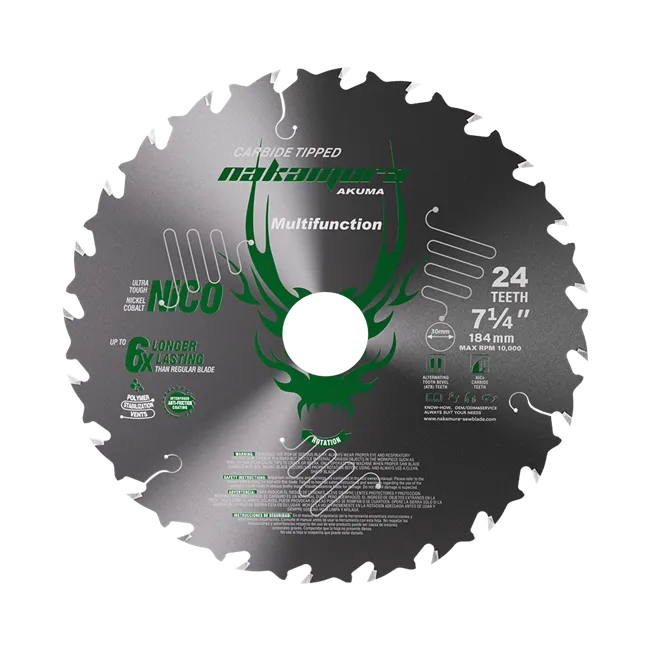
Carbide, a super-hard compound, allows for incredibly sharp and durable cutting edges. To get the absolute most out of your lithium-battery power tools across various materials, a precision-engineered blade is essential. For general, everyday cutting tasks where versatility is key, our 185mm Multipurpose Circular Saw Blade provides an excellent balance of sharpness and thin-kerf efficiency to slice cleanly through most standard polymers without straining your tool's motor.
Tackling Soft Plastics (Polyethylene, Polypropylene) Soft plastics are notorious for melting and smearing during the cutting process. There is a common misconception that using a blade with maximum teeth prevents this. In reality, more teeth create more friction, leading to rapid heat build-up that melts the plastic right onto the blade. To cut soft plastics successfully, reducing the physical contact area is critical. By equipping your cordless saw with a specialized 190mm Carbide Teeth Circular Saw Blade, the ultra-thin plate minimizes friction and heat generation, allowing the chips to evacuate rapidly before they have a chance to melt and gum up the gullets.


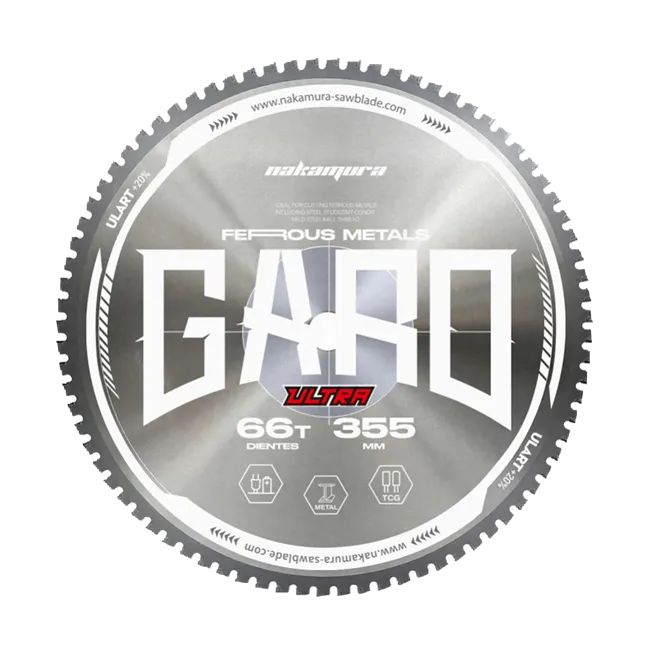
Mastering Hard Plastics (Acrylic, Polycarbonate) Hard plastics present a completely different challenge. While they resist melting better than soft plastics, they are highly brittle. Using a standard wood blade with an aggressive positive rake angle will grab the plastic, causing violent chipping or completely shattering the workpiece. For hard plastics, you must use a blade featuring a zero or negative rake angle, often paired with a Triple Chip Grind (TCG). Interestingly, our Aluminum Cutting Circular Saw Blade features exactly this anti-kickback, negative rake design. While engineered for non-ferrous metals, this geometry makes it the absolute perfect tool for leaving a smooth, glass-like finish on hard acrylics and polycarbonates.
Optimizing Cutting Speed and Feed Rate When using cordless circular saws, RPM and feed rate (how fast you push the saw through the material) are crucial. Pushing too slowly causes the carbide tips to rub rather than cut, generating excess heat that scorches or melts the plastic. Pushing too aggressively forces the blade and can cause the material to crack. The goal is to maintain a steady, moderate feed rate that allows the saw's motor to maintain its RPMs efficiently, ensuring your lithium battery delivers maximum cuts per charge.
Safety Precautions Safety is paramount when cutting synthetic materials. Plastic cutting generates sharp, static-charged chips that fly unpredictably. Always wear high-impact safety goggles and a proper dust mask to avoid inhaling micro-plastics. Ensure your workpiece is firmly clamped to prevent vibrations, which are a leading cause of cracked plastic and jagged edges.
Conclusion A premium carbide circular saw blade can undoubtedly cut through plastic with flawless results, provided you match the blade's geometry to the material. By choosing precision-crafted accessories for your cordless tools and applying the correct feed rates, you can achieve professional cuts while significantly extending the life of both your blade and your battery.