


When it comes to maintaining overgrown vegetation or tackling heavy-duty landscaping, an electric weed trimmer is an indispensable tool. A common question among professionals and homeowners alike is whether a metal weed eater blade can be installed on a standard corded string trimmer. As a premier manufacturer of cutting tools, we are here to explore the mechanical requirements, advantages, and strict safety protocols necessary for this upgrade.
Mechanical Compatibility: Beyond Just Motor Power Most corded electric trimmers are factory-designed to spin flexible nylon lines, which easily slice through soft grass but fail against thick brush. When vegetation gets too dense, upgrading to a rigid blade like the Weed Eater Blade for Cutter is a logical step. However, compatibility relies on more than just high wattage (typically 1200W or above).
The absolute critical factor is the trimmer's drive shaft. Never install a metal blade on a curved-shaft trimmer with a flexible drive cable. The sudden kickback generated when a metal blade strikes a solid object will instantly snap a flexible cable. Metal blades must only be mounted on straight-shaft trimmers equipped with a solid steel drive shaft and a heavy-duty gearbox, ensuring the tool can handle the extreme inertia and torque safely.
Superior Cutting Power for Thicker Vegetation Once you confirm your straight-shaft electric trimmer is mechanically compatible, the advantages of transitioning to metal are immense. For expansive overgrown areas, utilizing a wider cutting profile such as the 255mm Lawn Mower Blade dramatically reduces clearing time. Unlike nylon strings that snap or melt against heavy weeds, a hardened steel blade slices cleanly through thick stalks and saplings, offering superior durability and a much longer lifespan.


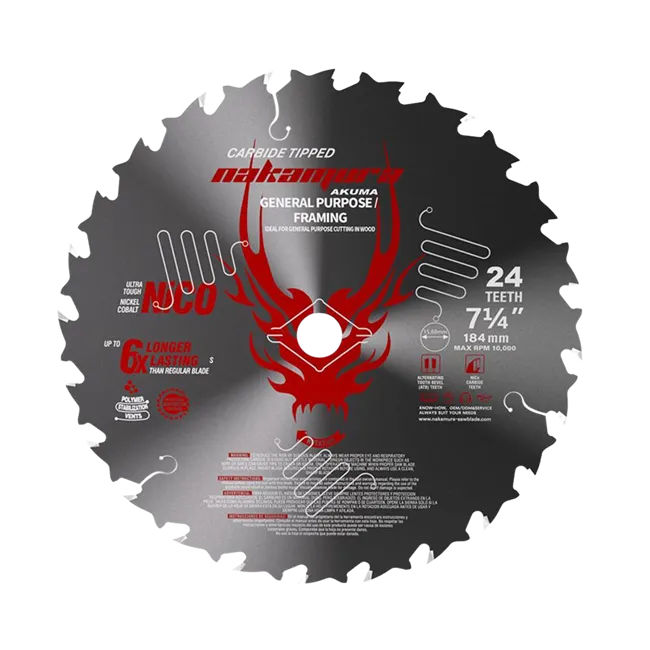
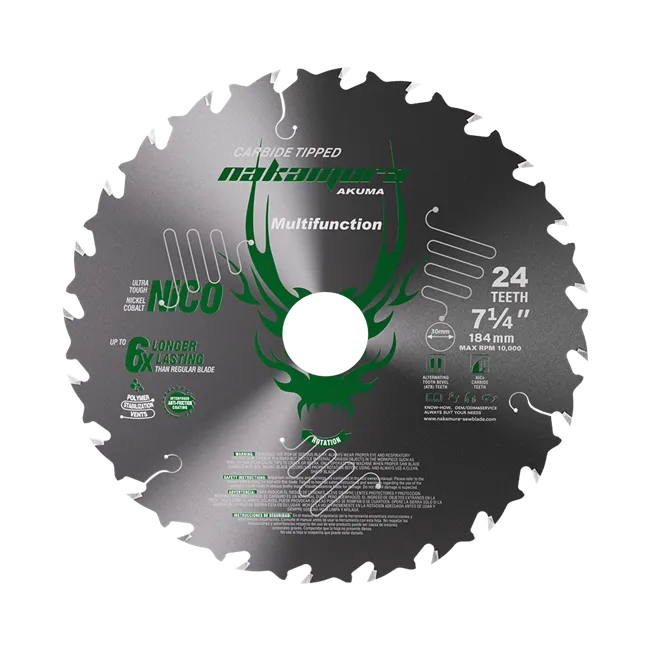
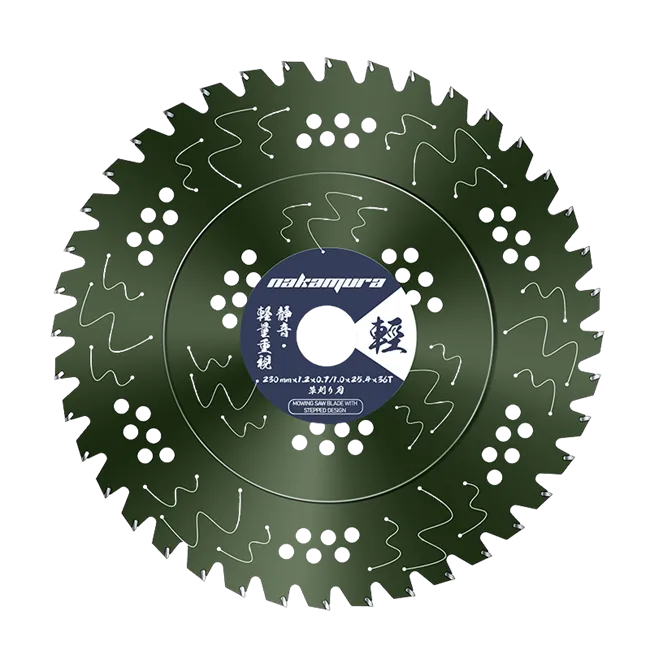
Tackling Woody Stems and Light Brush For heavily neglected properties featuring small tree saplings or woody brush, standard steel blades might dull quickly. In these aggressive environments, you need specialized tooling. Our Carbide Tipped Brushcutter Blade is explicitly engineered for this purpose. Unlike standard circular wood saws-which are highly dangerous on trimmers due to kickback risks-this specialized brush blade features embedded carbide teeth and an anti-kickback geometry, allowing your corded trimmer to safely chew through woody vegetation with precision.
Potential Drawbacks and Motor Strain While metal blades are highly efficient, they are significantly heavier than nylon line. This added mass requires more initial torque to spool up and maintain RPMs. If your corded trimmer is underpowered or pushed too aggressively through dense brush, you risk overheating the electric motor and reducing its operational lifespan. Always allow the blade to reach full RPM before engaging the vegetation.
Strict Safety Considerations Safety cannot be overstated when converting a string trimmer to a metal blade unit:
- Safety Guards and Harnesses: You must swap the standard string deflector for a metal blade guard, and always use a shoulder harness to maintain complete control over the machine.
- Kickback Awareness: Avoid cutting with the top right quadrant (the 12 to 3 o'clock position) of the spinning blade, as this zone is highly prone to violent kickbacks if it strikes a solid object.
- Protective Gear: The rigid blade will launch debris, rocks, and wood chips at dangerous velocities. Heavy-duty shin guards, steel-toe boots, a full face shield, and protective gloves are non-negotiable.
For professional advice on selecting the exact blade geometry for your specific trimming equipment, reach out to our technical team to ensure your landscaping operations remain both highly efficient and entirely safe.