


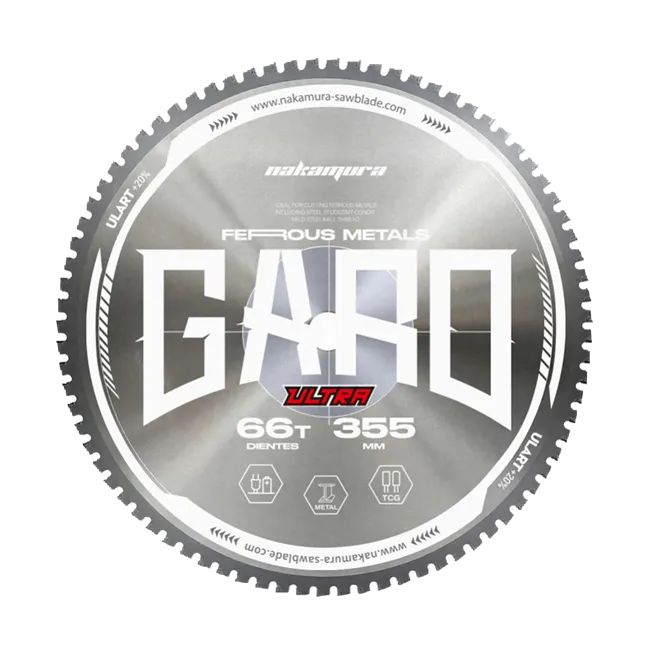
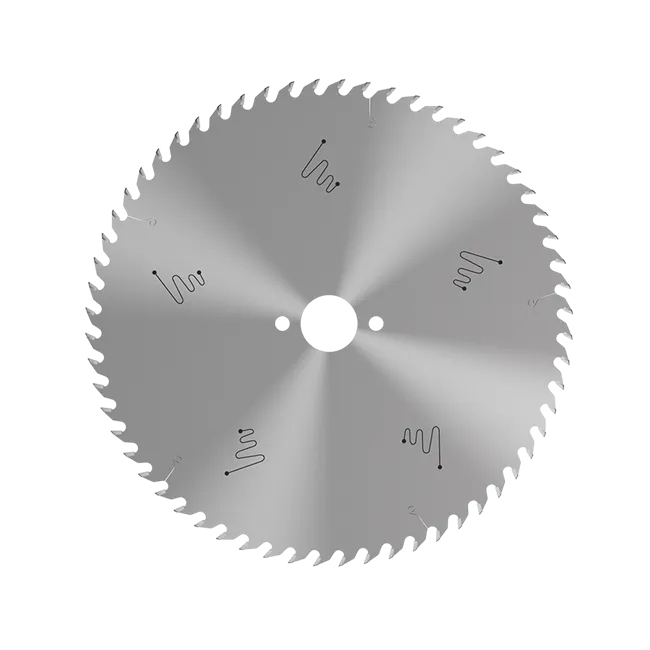
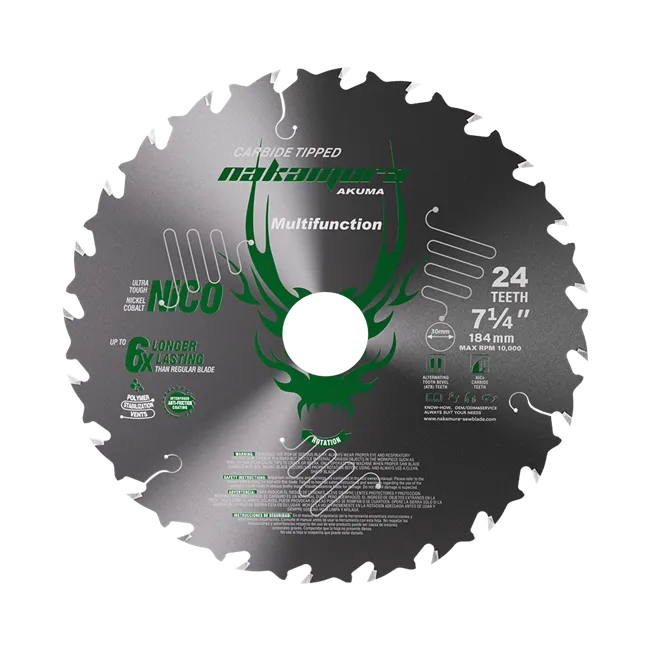

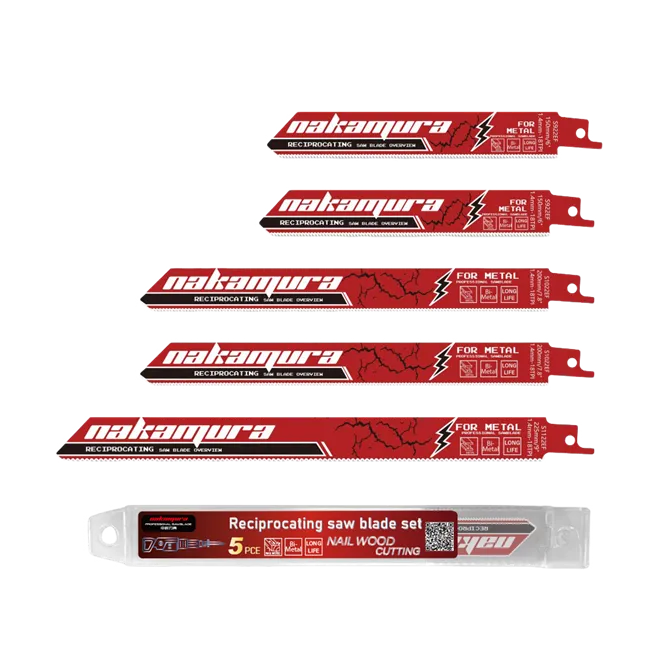
Yes, a carbide saw blade can cut stainless steel - but only when it is the right type of carbide saw blade.
This is one of the most common questions we hear from buyers, fabricators, and tool distributors. The simple answer is yes, but the professional answer is more specific: stainless steel should be cut with a carbide-tipped or cermet-tipped blade designed for metal or stainless steel cutting, not with a standard woodworking blade, aluminum blade, or general-purpose blade.
Using the wrong blade may cause overheating, chipped teeth, heavy burrs, poor cut quality, short blade life, or even safety risks.
Why Is Stainless Steel Difficult to Cut?
Stainless steel is tougher and more heat-intensive than many common materials. It has good corrosion resistance, high toughness, and a tendency to generate heat during cutting.
That means the blade must do more than simply "be sharp." A proper stainless steel cutting blade needs to control heat, resist wear, remove chips efficiently, and maintain stability during the cut.
For this reason, stainless steel cutting usually requires a dedicated TCT metal cutting blade or a higher-performance cermet saw blade.

What Type of Carbide Saw Blade Should Be Used for Stainless Steel?
When selecting a saw blade for stainless steel, the following points are important.
1. Metal-Cutting Grade Tips
Not every carbide tip is suitable for stainless steel.
A standard woodworking carbide blade is designed for wood fibers, chipboard, plywood, or similar materials. Stainless steel requires a much tougher and more heat-resistant cutting edge.
For stainless steel, use a blade with metal-cutting grade carbide tips or cermet tips. Cermet tips are often preferred for applications that require better heat resistance, cleaner cuts, fewer burrs, and longer cutting life.
2. TCG Tooth Geometry
For stainless steel, TCG tooth geometry is commonly used. TCG stands for Triple Chip Grind.
This tooth design uses alternating cutting edges to reduce tooth impact, control heat, and improve cut quality. It is more suitable for stainless steel tube, sheet, profiles, and other metal materials than a typical woodworking ATB tooth design.
3. Correct Tooth Count
Many people say that stainless steel requires a high tooth count. That is partly true, but not complete.
The correct tooth count depends on blade diameter, material thickness, and the type of cut.
Thin-wall stainless steel tube or sheet usually requires more teeth to reduce vibration and grabbing. Thicker stainless steel profiles or solid materials may require more chip space, so choosing the highest tooth count is not always the best solution.
4. Stable Blade Body
Stainless steel creates more cutting resistance and heat. If the blade body is not stable enough, the blade may vibrate, wander, or produce an uneven cut.
A high-quality stainless steel cutting blade should have a rigid steel plate, accurate tensioning, laser-cut expansion slots, and a stable body design to reduce vibration and improve cutting accuracy.
5. Coating and Heat Control
A coating does not make a blade universal, but it can improve performance.
The right coating helps reduce friction, minimize material build-up, control heat, and extend blade life. PTFE-type coatings, TiAlN-type coatings, and other heat-resistant coatings may be used depending on the blade design and application.
Can You Use a Woodworking Circular Saw to Cut Stainless Steel?
In most cases, no.
Woodworking saws usually run at higher RPM. Stainless steel cutting requires controlled speed, stable feeding, and a blade designed for metal cutting. Installing a metal cutting blade on the wrong high-speed woodworking machine can overheat the blade, damage the tips, reduce cut quality, and create safety risks.
For stainless steel, use a dry cut metal saw, cold saw, metal cutting circular saw, or another machine designed for metal cutting.
Before cutting, always check:
- Blade diameter
- Arbor size
- Maximum blade RPM
- Machine RPM
- Material thickness
- Workpiece clamping
- Blade rotation direction

Do You Need Coolant When Cutting Stainless Steel?
It depends on the machine and blade type.
Some cold saw systems require coolant when cutting stainless steel. Coolant can reduce heat, improve surface finish, and extend blade life.
However, many dry-cut TCT or cermet metal cutting blades are designed to run dry. In those cases, adding oil or coolant may not be necessary and may even interfere with chip evacuation or contaminate the workpiece.
The best rule is simple: follow the blade manufacturer's and machine manufacturer's instructions.
Best Practices for Cutting Stainless Steel with a Carbide Saw Blade
To get a cleaner cut and longer blade life, follow these basic rules:
- Use a blade designed for stainless steel or metal cutting.
- Do not use a woodworking blade for stainless steel.
- Match the blade RPM rating with the machine speed.
- Clamp the workpiece firmly before cutting.
- Feed steadily and avoid forcing the blade.
- Do not allow the blade to overheat.
- Choose the tooth count based on material thickness.
- Inspect the blade tips regularly for wear or chipping.
- Wear proper eye, hand, hearing, and face protection.
Can One Blade Cut Stainless Steel, Mild Steel, Aluminum, Wood, and Plastic?
For professional use, we do not recommend using one blade for everything.
Different materials require different tooth geometry, hook angle, tip material, coating, and chip clearance.
- Stainless steel: use a stainless steel TCT or cermet blade.
- Mild steel: use a dedicated metal cutting carbide blade.
- Aluminum: use an aluminum cutting blade with anti-stick design.
- Wood: use a woodworking carbide blade.
- Plastic: use a blade designed to reduce melting and chipping.
A general-purpose blade may be acceptable for some light-duty applications, but it should not replace a dedicated stainless steel cutting blade when cut quality, blade life, and safety matter.

Conclusion
A carbide saw blade can cut stainless steel, but only if it is designed for that application.
The right stainless steel cutting blade should match the material grade, wall thickness, machine type, RPM, tooth geometry, coating, and cutting method. For stainless steel tube, sheet, profiles, and light fabrication work, a dedicated TCT or cermet metal cutting blade will provide better cut quality, longer life, and safer performance than a standard general-purpose blade.
If you need a stainless steel cutting saw blade, we can help you select the right blade based on your material, thickness, saw machine, RPM, cut quality requirement, and production volume. We also support customization for blade diameter, arbor size, tooth count, coating, laser marking, and packaging.