


This is a question that often pops up in the minds of DIY enthusiasts, professional contractors, and anyone who deals with cutting various materials. As a supplier of cutting tools, I'm here to provide you with factual, safety-first insights into cutting stainless steel.
Understanding Multipurpose Chop Saw Blades
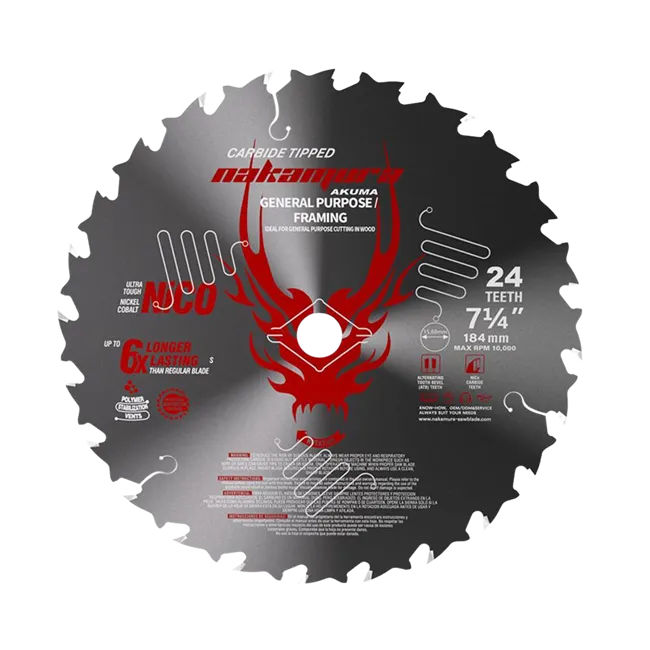
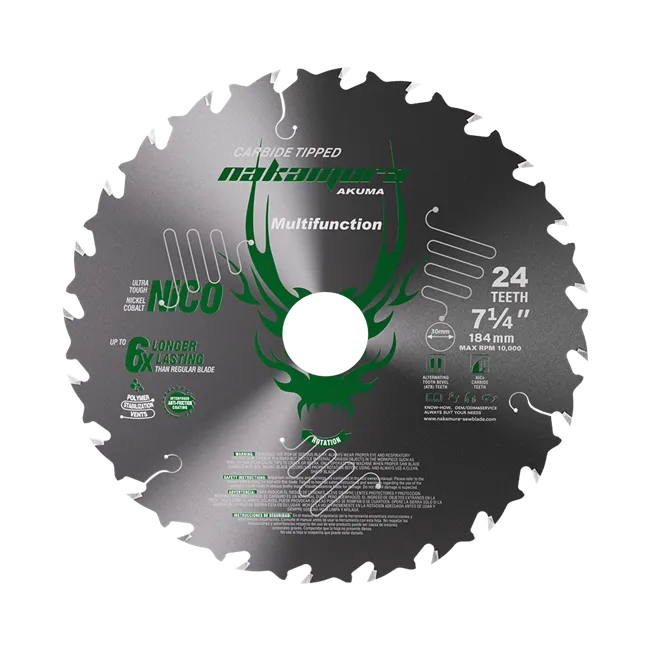
Multipurpose chop saw blades are engineered to cut through a variety of materials, such as mild steel, aluminum, plastic, and wood. They usually feature specialized carbide tips and a unique tooth geometry to handle mixed materials. However, while they offer great versatility, cutting stainless steel is an entirely different beast that requires specific technical considerations.
Cutting Stainless Steel: The Challenges
Stainless steel is notoriously difficult to cut due to its high tensile strength, toughness, and tendency to work-harden. The main challenges include:
- High Hardness and Heat Generation: Stainless steel generates extreme heat when cut. If the heat isn't managed, it will quickly destroy the blade's carbide tips.
- Work Hardening: When stainless steel gets hot from friction, it work-hardens, meaning the material literally becomes harder and more impenetrable at the cut line, destroying the blade.
- Vibration and Catching: Because it is so tough, using the wrong blade can cause the teeth to catch on the material, leading to violent vibrations, damaged workpieces, and severe safety hazards.

Can a Multipurpose Chop Saw Blade Cut Through Stainless Steel?
The short answer is: It can, but it is usually not recommended for extended or precise use. Standard multipurpose blades will dull very quickly on stainless steel. For safe and efficient cuts, you need a blade and a machine specifically rated for hard metals.
When choosing a blade for stainless steel, you must strictly follow these professional guidelines:
- Tooth Geometry (TCG): Never use an "aggressive" wood blade. You need a Triple Chip Grind (TCG) tooth profile. It allows for a smooth, controlled cut that prevents the teeth from biting too deeply and breaking off.
- Zero or Negative Hook Angle: The blade should have a zero or slightly negative hook angle to push the material down and away, providing stability and preventing the blade from aggressively grabbing the tough metal.
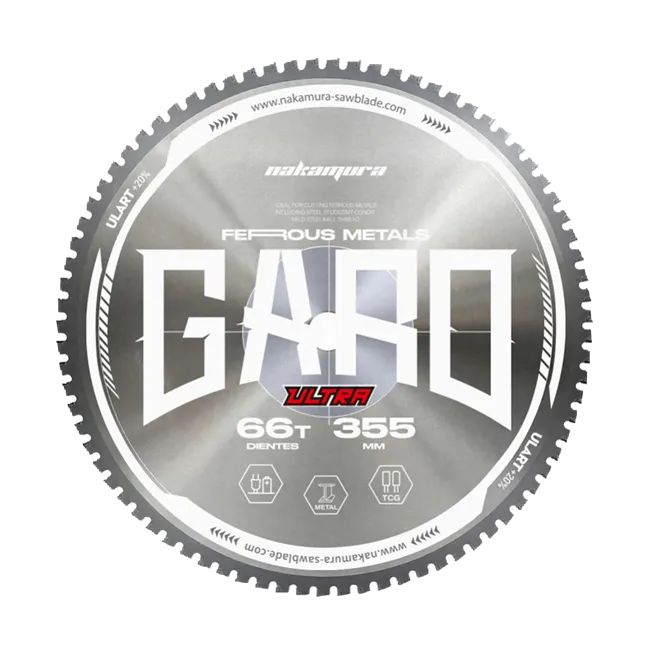
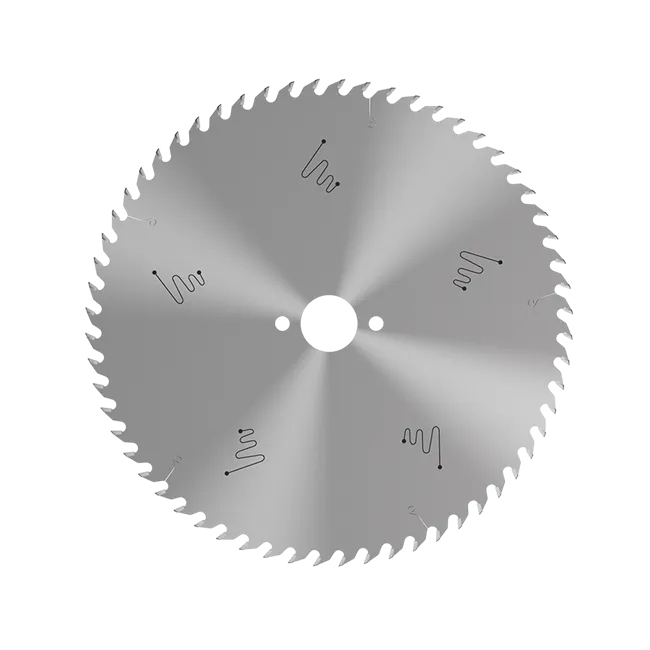
- High Tooth Count: You need a "fine-tooth" blade. For a 14-inch saw, look for 72T to 90T. Multiple teeth must be engaged in the metal at the same time to prevent the blade from violently hammering the material.
- Proper Machine RPM (Crucial): You cannot use a standard abrasive chop saw or wood miter saw (which spin at 3500-5000 RPM) with a metal-cutting blade. You must use a Dry-Cut Metal Saw or a true Cold Saw designed to run at much lower speeds (typically under 1500 RPM for dry cut, or sub-100 RPM for cold saws) to prevent burning up the blade.
Recommended Blades for Cutting Stainless Steel
Instead of wood or PCD blades (which will instantly fail or cause accidents), I highly recommend the following for stainless:
- Stainless Steel Cutting Saw Blade: Cermet (a ceramic-metal composite) can withstand much higher cutting temperatures than standard carbide. This is the gold standard for cutting stainless steel, offering precise cuts and long blade life.
- Stainless Steel Cutting Circular Saw Blade: These Tungsten Carbide Tipped blades are formulated with a specific carbide grade designed to resist wear from hard metals, featuring a TCG profile and high tooth count.

Tips for Cutting Stainless Steel Safely
- Use Low RPM: Always match the blade with a low-RPM metal cutting saw. Speed is the enemy of stainless steel.
- Clamp It Securely: Any vibration will chip the teeth of your blade. Clamp the material tightly in a vise.
- Use Cutting Paste or Lubricant: Applying a specialized metal-cutting wax or paste to the blade helps dissipate heat and prevents work-hardening.
- Firm, Deliberate Feed Rate: Do not cautiously "rub" the blade against the metal, as this causes work-hardening. Push through with a firm, steady pressure so the teeth are actively cutting, but do not force it.
Conclusion
While a multipurpose blade might get you through a quick, minor cut, stainless steel demands respect. For safety and efficiency, investing in a proper low-RPM metal saw and a dedicated Cermet or high-tooth-count TCT metal blade is the only professional choice. If you have any questions about matching the right blade to your machine's RPM and material, please contact us for expert advice.