

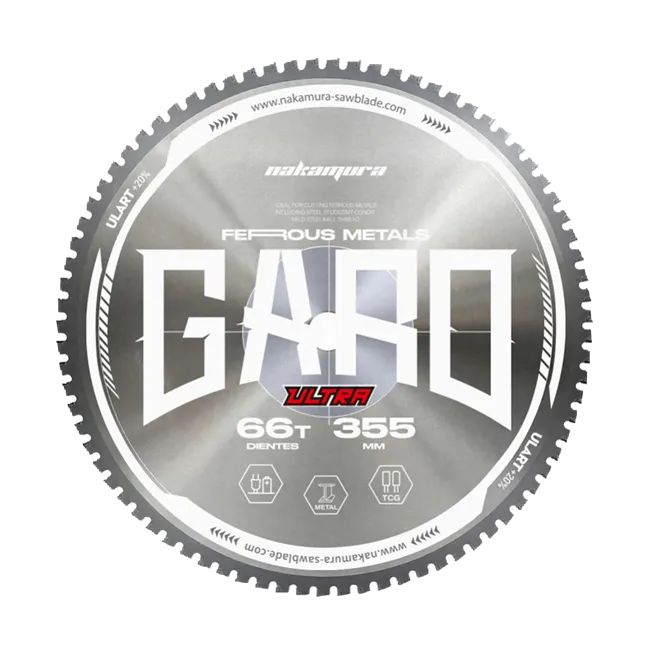

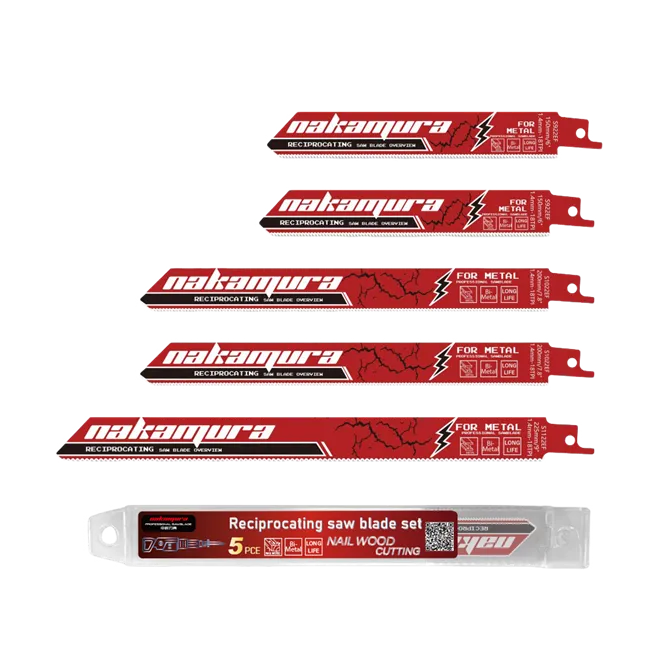
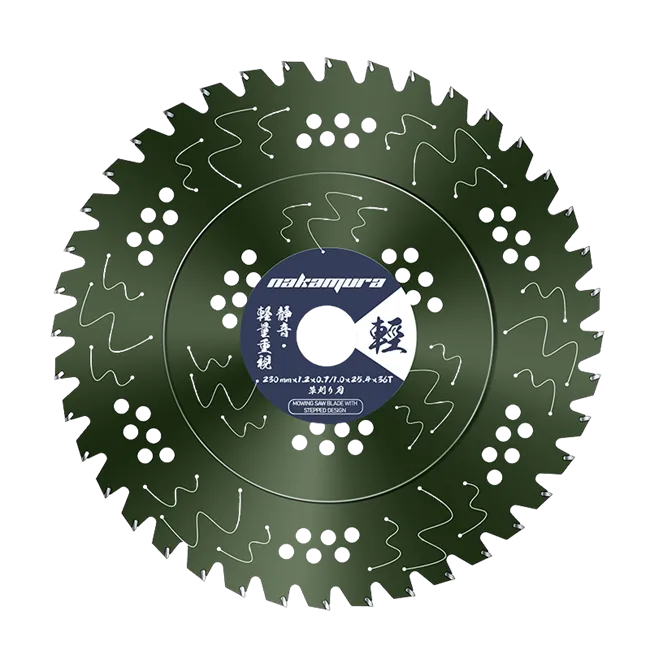
In the precision machining and industrial fabrication sectors, the maintenance of Tungsten Carbide Tipped (TCT) saw blades is a critical component of maximizing tooling Return on Investment (ROI). The accumulation of baked-on resins, metallic swarf, and polymerized adhesives significantly alters the cutting geometry, increasing friction and inducing thermal deformation of the steel plate. For industrial facilities processing specific non-ferrous profiles, utilizing a dedicated Circular Saw Blade for Aluminum requires stringent maintenance protocols to ensure the Triple Chip Grind (TCG) teeth remain free of micro-galling. This whitepaper analyzes the chemical interactions between cleaning agents and carbide metallurgy, establishing safe industrial cleaning protocols.
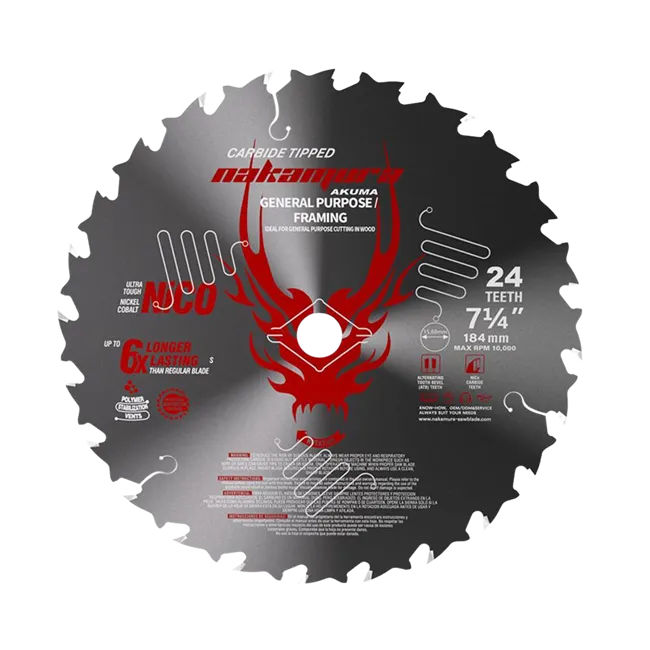
1. The Mechanics of Polymer and Resin Accumulation During high-speed cutting operations, the immense friction and localized heat cause the binders in composite materials to melt and fuse onto the carbide teeth. This buildup acts as a thermal insulator, preventing the blade from dissipating heat and increasing the electrical load on the drive motor. This issue is particularly acute when machining synthetic materials. For example, when deploying a specialized 7 1 4 Circular Saw Blade For Plastic, maintaining a pristine, residue-free cutting edge is absolute. Any accumulation of melted polymer on the negative rake angles will instantaneously degrade the cutting precision, causing the plastic workpiece to friction-melt rather than shear cleanly.
2. The Lethal Hazard of Acidic Cleaners and Cobalt Leaching The most catastrophic chemical error in blade maintenance is the application of acid-based cleaners (including citric, phosphoric, or muriatic acids). Tungsten carbide relies on a metallic Cobalt (Co) binder to hold the ultra-hard tungsten grains together. Acids induce a rapid chemical reaction known as "Cobalt Leaching." This dissolves the binder matrix, leaving the tungsten grains unsupported. Visually, the blade may appear clean, but structurally, the carbide tips will micro-fracture and catastrophically disintegrate upon the next impact.
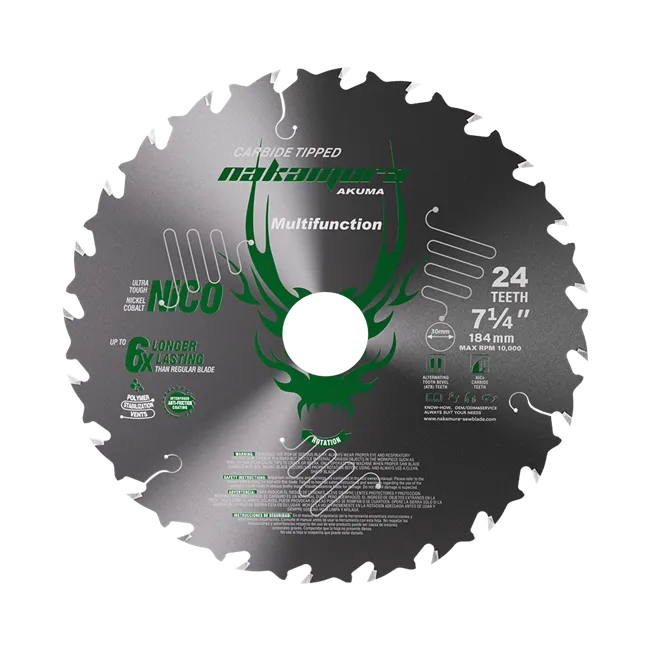
Contractors utilizing versatile solutions like the 7 - 1/4 Multi - Material Cutting Blades often encounter complex chemical residues from cutting mixed composites, nails, and treated woods. It is imperative that these diverse residues are never treated with acidic rust-removers, as it guarantees immediate metallurgical failure of the carbide teeth.
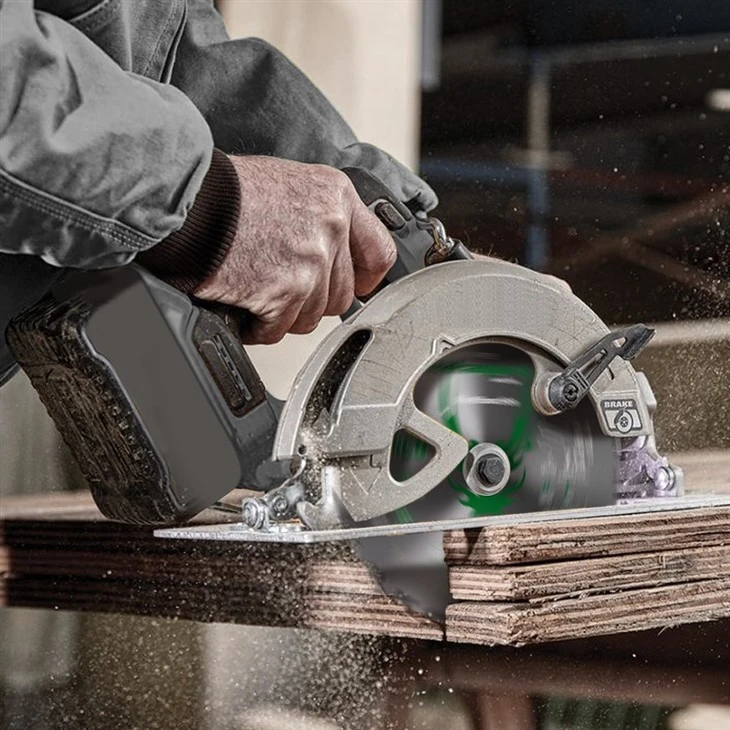
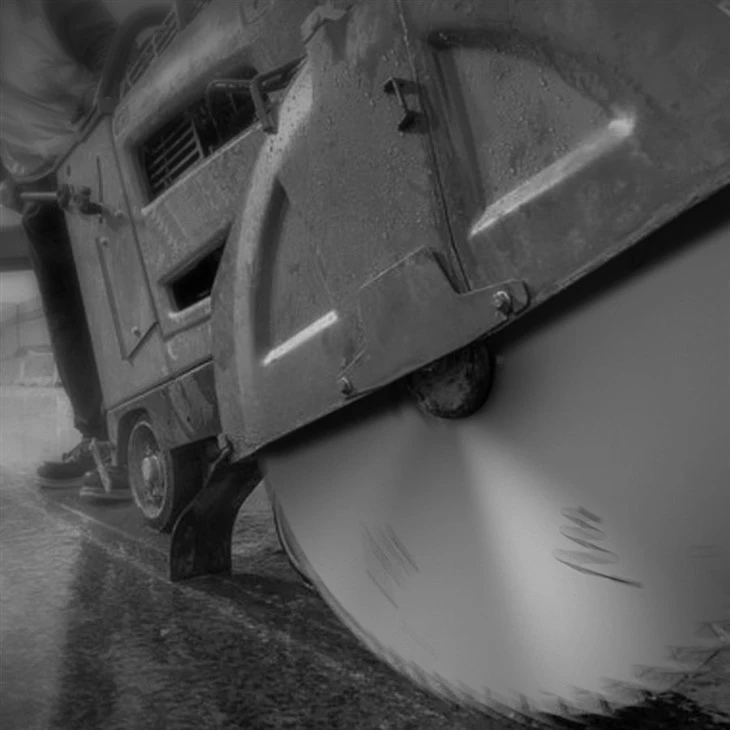
3. Alkaline Cleaning Agents and Safe Dissolution To safely dissolve polymerized resins and wood pitch, standard petroleum solvents like mineral spirits or highly volatile solvents like acetone are highly ineffective. The industrial standard requires the use of moderately alkaline-based (pH 9-11) pitch and resin removers or specialized d-Limonene (citrus-based) industrial solvents. These chemicals safely break the molecular bonds of the organic resins without reacting with the cobalt binder or the silver-copper brazing alloy that attaches the teeth to the steel plate.
4. Corrosion Prevention and Post-Cleaning Protocols While alkaline water-based cleaners are highly effective, they strip the steel plate of its protective oxidation barriers. Soaking a high-tension steel blade in aqueous solutions introduces an immediate risk of flash rusting. Industrial maintenance protocols dictate that the blade must not be soaked for extended periods (maximum 10-15 minutes). Immediately following the cleaning process, the blade must be forcefully dried using compressed air. Subsequently, a hydrophobic, rust-inhibiting tooling lubricant must be applied to the steel body to displace any remaining moisture and protect the blade during storage.
Conclusion and B2B Procurement The longevity and precision of a carbide saw blade are dictated by strict adherence to metallurgically safe maintenance protocols. By understanding the chemical vulnerabilities of the cobalt binder and utilizing appropriate alkaline resin removers, processing facilities can double the lifecycle of their cutting consumables. As a premier manufacturer of advanced cutting technologies, we engineer our blades to withstand the harshest industrial conditions. We invite global distributors and manufacturing facilities to consult our engineering team for customized tooling specifications and professional maintenance guidelines tailored to your production lines.