


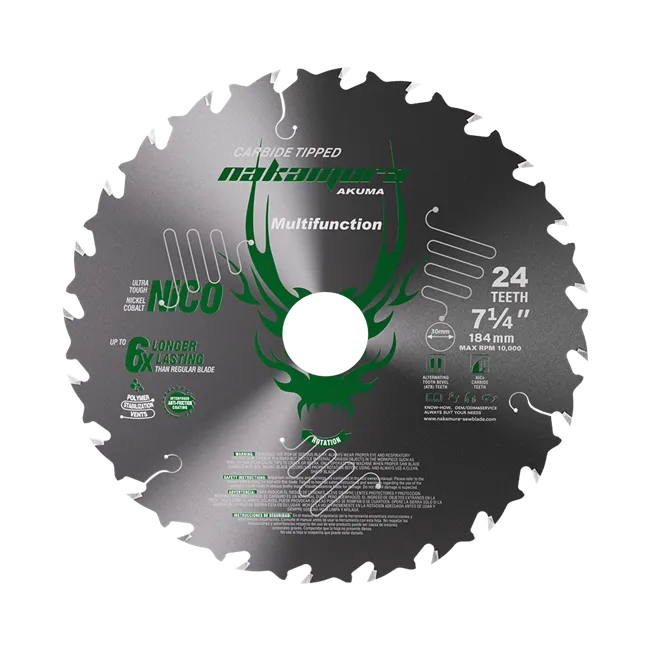


When undertaking extensive land clearing and vegetation management in sandy environments, professionals must deploy an arsenal of highly specific cutting tools. The structural integrity of your equipment is paramount. While encountering heavy structural debris or thick demolition remnants requires deploying specialized saws equipped with a DEMO Saw Blade Wood Cut, the actual clearing of dense, abrasive brush demands a heavy-duty brush cutter (weed eater) fitted with a specialized steel blade. This technical guide explores the material science, operational protocols, and proper tool selection for sandy terrains.
Material Resilience: Why Stainless Steel Fails
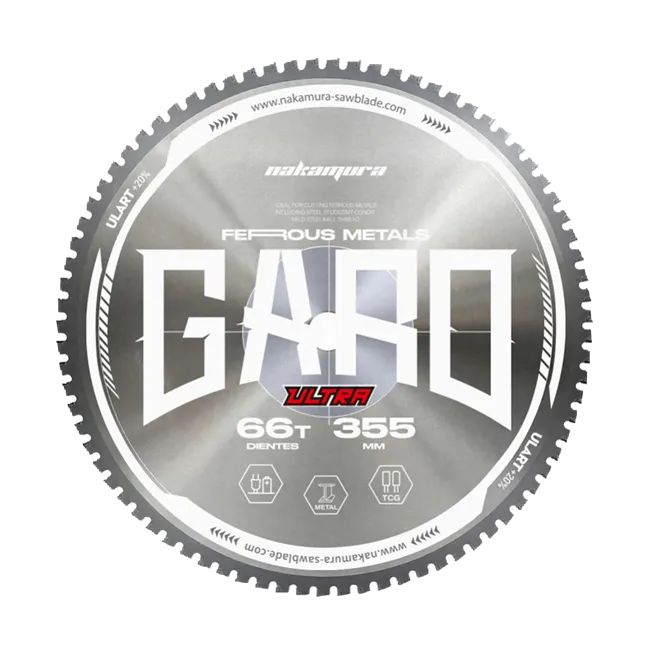
A common misconception in landscaping is that any metal blade can handle abrasive environments. In reality, brittle materials like stainless steel are entirely unsuitable for brush cutters due to their tendency to shatter upon impact. Professional-grade brush cutter blades are forged from highly resilient materials, such as 65Mn spring steel. This specific metallurgy provides the necessary elasticity to absorb high-impact shocks from hidden rocks, while maintaining a razor-sharp edge against tough fibrous weeds. Conversely, if your clearing operations uncover hidden metal pipes or fencing in the sand, you must temporarily switch to an angle grinder or chop saw utilizing a Steel Cutting Circular Saw Blade to safely sever the metal before continuing with the brush cutter.


Vegetation Density and Proper Tool Staging
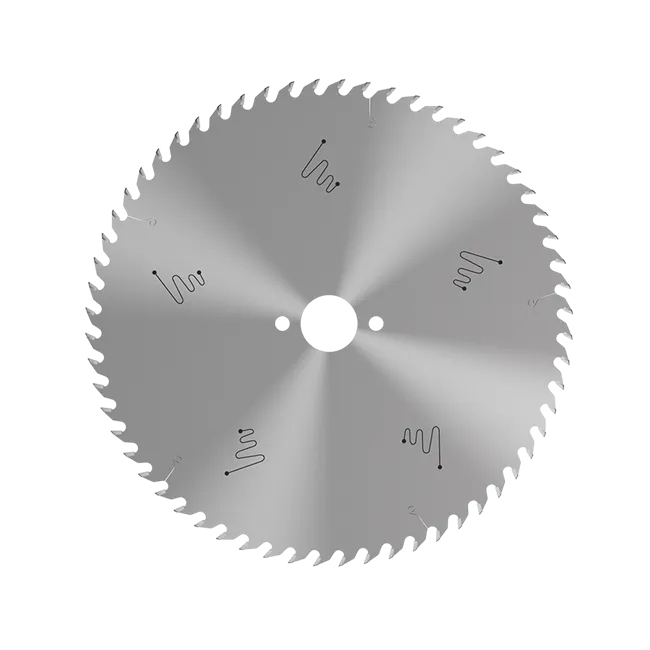
Sandy soils often breed extremely tough, drought-resistant vegetation with thick, woody stalks. A standard nylon trimmer line will simply melt or snap against this resistance. An 80-tooth forestry clearing blade mounted on a straight-shaft brush cutter is the industry standard for efficiently slicing through dense saplings and thick brush. However, operators must observe strict staging protocols. Once the thickest brush is felled, reducing large timber trunks into manageable firewood or clearing logs requires transitioning to a heavy-duty chainsaw or circular saw fitted with proper Circular Saw Blades for Hard Wood. Attempting to use a brush cutter for thick timber processing is a severe safety violation.
The Tribology of Sand Abrasion
While 65Mn steel is exceptionally durable, sand is primarily composed of silica, which acts as a severe abrasive agent. The fundamental rule for operating a steel blade weed eater in sandy terrain is strict height management. The blade must hover parallel to, and slightly above, the sand surface. Allowing the blade to repeatedly strike or dig into the sand will exponentially accelerate edge dulling, fundamentally destroying the blade's cutting geometry within minutes.
Corrosion Prevention and Maintenance
Sandy areas, particularly those in coastal regions, are characterized by high humidity and saline content. When fine sand mixes with plant sap, it creates a corrosive paste that adheres to the steel blade.
- Post-Operation Cleaning: Blades must be removed and scrubbed with a wire brush immediately after use.
- Lubrication: Applying a generous coat of industrial rust-inhibitor or machine oil creates a hydrophobic barrier, protecting the 65Mn steel from rapid oxidation.
- Balancing and Sharpening: Uneven wear from sand abrasion causes severe harmonic vibration in the gear head. Blades must be regularly sharpened with a flat file and balanced to prevent catastrophic transmission failure.
Conclusion for Procurement
Executing landscaping operations in sandy terrains demands rigorous adherence to tool specificity and metallurgical standards. Relying on professional-grade 65Mn spring steel brush cutter blades ensures high-efficiency clearing, provided operators respect the abrasive nature of silica and avoid ground contact. By equipping your teams with the precise combination of brush cutter blades for vegetation and dedicated circular saw blades for heavy debris, you maximize both operational safety and overall productivity.