



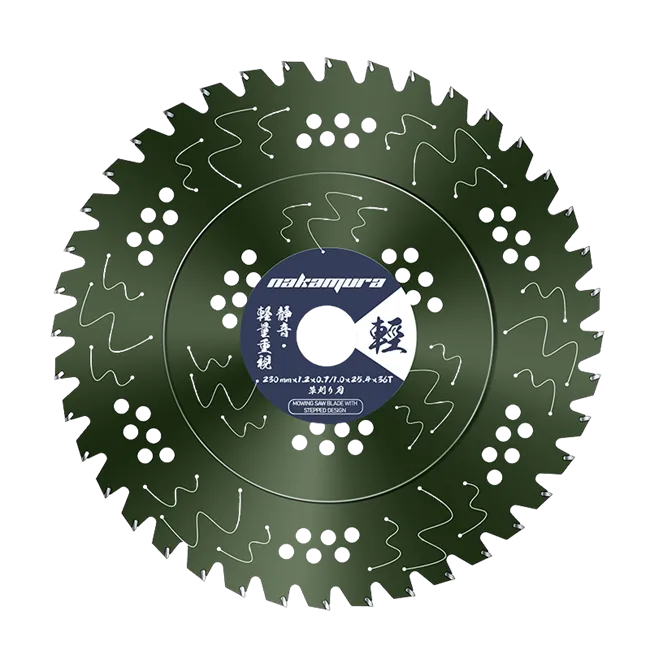
When it comes to heavy-duty landscaping and outdoor maintenance, a straight-shaft weed eater equipped with a metal brush blade is an indispensable tool. As a comprehensive supplier of premium cutting solutions-ranging from landscaping accessories to industrial-grade PCD Tipped Circular Saw Blades for extreme material cutting-we know that cutting efficiency and safety start with proper installation. One of the most common questions we receive is whether special tools are required to change weed eater blades. Let's dive into the mechanical realities and safety protocols of blade replacement.
Understanding the Mechanics: More Than Just a Wrench Unlike changing a simple nylon string spool, upgrading your trimmer to a metal brush blade requires precision and specific hardware. Just as you wouldn't blindly mount a highly precise TCT Wood Cutting Circular Blade 184mm onto a circular saw without ensuring the arbor and flanges are perfectly seated, you cannot simply slap a metal blade onto a weed eater.
To safely install a metal weed eater blade, you need a dedicated hardware kit: a splined thrust washer, a cupped rider plate, and a lock nut. More importantly, you absolutely need a locking pin (or a hex key). Weed eater gearheads feature a small alignment hole. You must insert the locking pin into this hole to lock the drive shaft in place; otherwise, the shaft will just spin freely when you try to turn the nut.
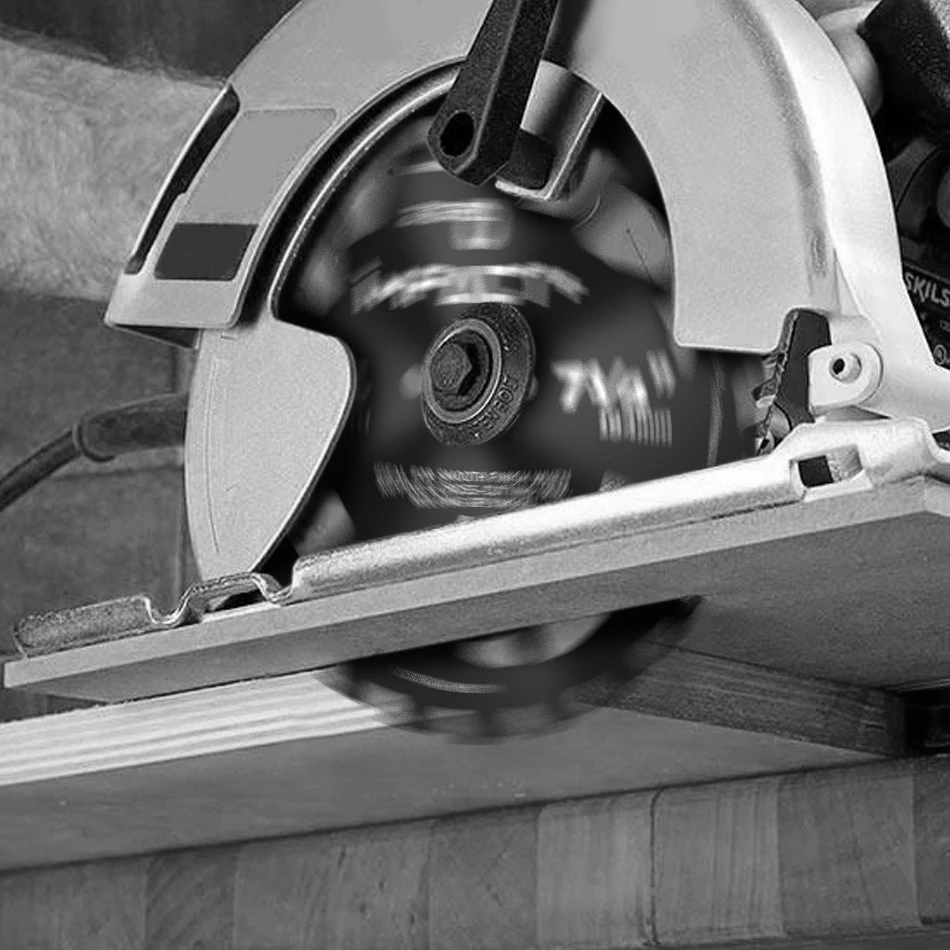
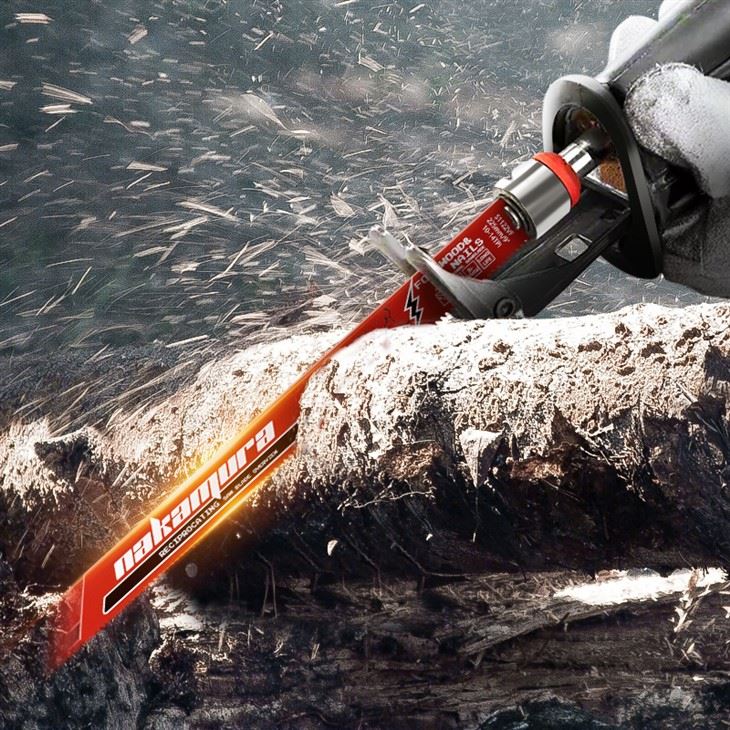
The Crucial Reverse Thread System Another major distinction between standard power tools and brush cutters is the thread direction. For instance, modern reciprocating saws utilizing Sawzall Blades For Wood And Metal feature tool-less, quick-release chucks for instant blade changes. Brush cutters, however, deal with extreme centrifugal forces and violent impacts. To prevent the blade from flying off during high-speed clockwise rotation, the gearhead utilizes a reverse-thread (left-hand thread) lock nut. You must turn the wrench clockwise to loosen it and counter-clockwise to tighten it. Forcing the nut in the wrong direction will strip the threads and ruin your equipment.
Straight Shaft vs. Curved Shaft Safety Before you even pick up a wrench, you must verify your equipment's compatibility. Never attempt to install a metal blade on a curved-shaft string trimmer. Curved trimmers use a flexible drive cable that will instantly snap under the massive kickback generated when a metal blade strikes a sapling or rock. Metal blades are strictly reserved for straight-shaft trimmers equipped with a solid steel drive shaft and a heavy-duty gearbox.
The Importance of Proper Torque Once the blade, thrust washer, and rider plate are aligned on the splined arbor, the left-hand nut must be tightened securely. While a standard socket wrench is necessary, using a torque wrench to meet the manufacturer's specific tightening specifications is highly recommended. Improper installation causes severe vibrations, which ruin the motor bearings and create a deadly hazard for the operator.
Conclusion In summary, replacing a metal weed eater blade definitely requires specific tools-namely a socket wrench, a locking pin, and the correct mounting hardware. It is not a tool-less operation. By understanding the mechanics of left-hand threads and utilizing the proper safety gear, you can transform your trimmer into a powerful brush-clearing machine. At Nakamura, whether you are clearing heavy brush or making precision cuts in the workshop, we provide the ultimate cutting solutions engineered for safety and maximum performance.