



As a premier supplier of power tool accessories and industrial-grade saw blades, we are constantly asked by contractors: "What is the maximum thickness of fibre cement a 184mm blade can safely cut?" It is a crucial question that directly impacts job-site efficiency, tool longevity, and operator safety. Today, we are going to dive deep into the mechanics of cutting fibre cement, the importance of metallurgy, and how to optimize your cordless tools for this highly abrasive material.
Fibre cement is an incredibly tough, weather-resistant building material made from Portland cement, cellulose fibres, and silica sand. While it offers unmatched durability for siding and roofing, that same silica sand acts like grinding grit against standard cutting tools. To conquer this material, upgrading to a specialized tool like the 184mm Fibre Cement Blade is not just a recommendation-it is a job-site necessity.
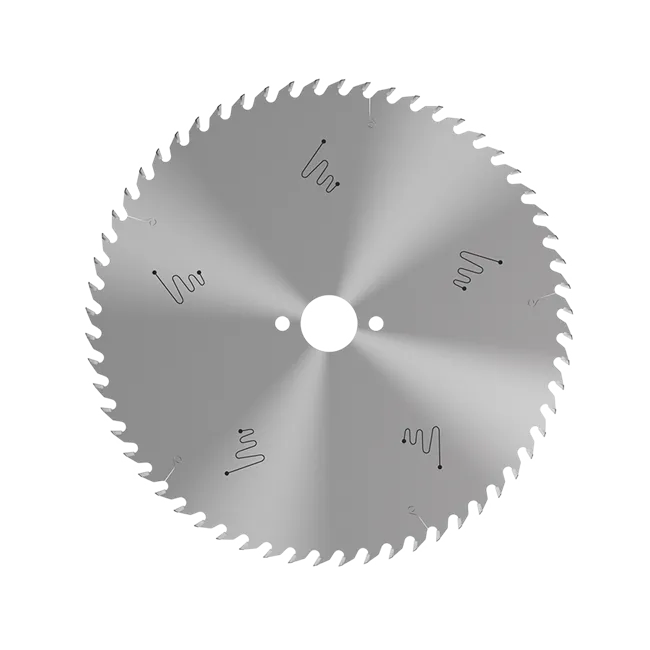
The Metallurgy: Why Polycrystalline Diamond (PCD) is Mandatory Standard Tungsten Carbide Tipped (TCT) blades, no matter how sharp, will dull within a few meters of cutting fibre cement. The silica content simply grinds the cutting edge away. To maintain a functional edge and protect your circular saw's motor from bogging down, Polycrystalline Diamond (PCD) teeth are required. PCD is synthesized under extreme heat and pressure, offering wear resistance that is exponentially higher than carbide. If you are operating slightly smaller portable saws, utilizing a precision-engineered PCD Circular Saw Blade ensures that your blade retains its geometry and cutting efficiency through hundreds of hours of aggressive fibre cement processing.
The Geometry: Low Tooth Count and Dust Reduction A widespread misconception is that faster RPMs and more teeth yield a better cut. In fibre cement cutting, the exact opposite is true. Using a high-tooth-count blade at maximum RPM turns the silica sand into microscopic, airborne silica dust-a severe health hazard that violates safety regulations. The engineering behind the 305mm Fibre Cement Saw Blade features an intentionally low tooth count (typically 4 to 8 teeth). This aggressive, low-tooth configuration shears the material into larger, heavier chips that fall straight to the ground, significantly reducing dangerous dust clouds while keeping the blade completely cool.
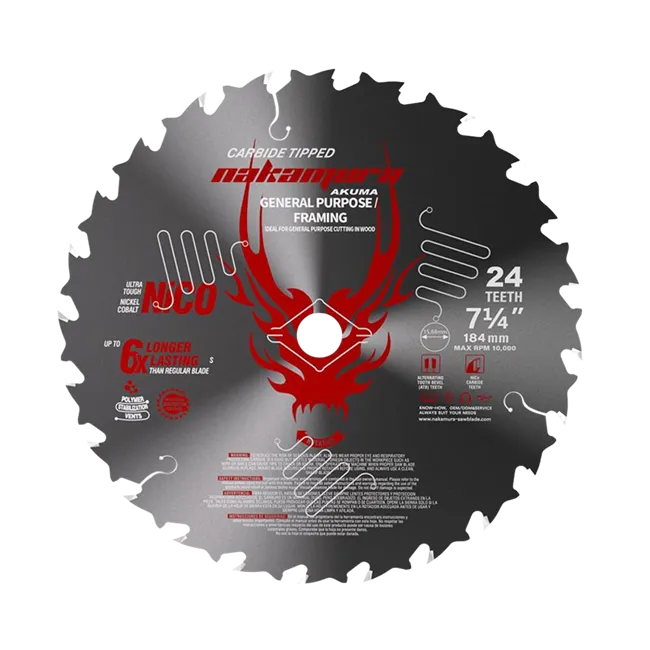
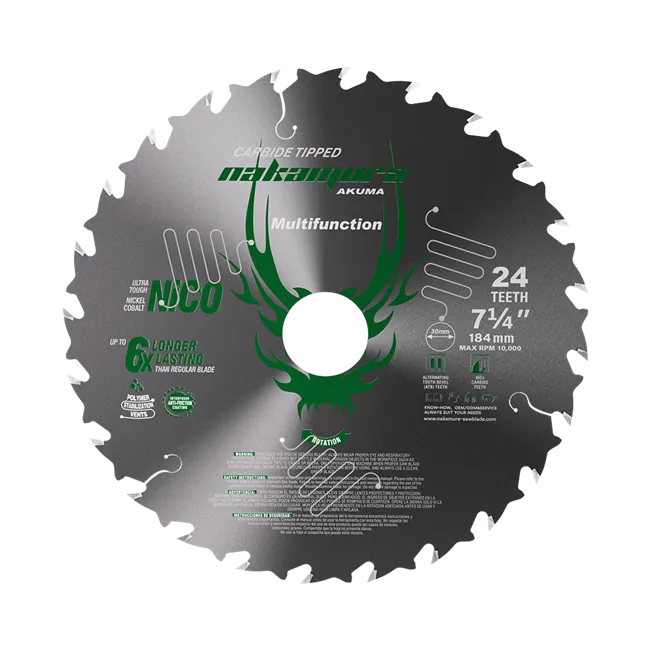
Determining Maximum Cutting Thickness Now, let's address the core question: cutting depth. Physically, a standard 184mm (7-1/4 inch) circular saw blade has a maximum cutting depth capacity of roughly 60mm (2-3/8 inches). However, cutting capacity and material density are two different things.


Most standard fibre cement siding and backer boards range from 8mm to 12mm in thickness. A premium 184mm PCD blade will slice through these standard boards effortlessly in a single pass. But what happens when you encounter heavy-duty architectural panels reaching 25mm or thicker? While the blade can physically reach this depth, forcing a portable circular saw through 25mm of dense fibre cement in a single pass will place immense strain on the brushless motor and drain your lithium battery instantly. For thicknesses approaching 25mm, professional contractors utilize "step-cutting." You set the blade depth to 12.5mm for the first pass, and lower it to complete the cut on the second pass. This method prevents motor burnout, ensures a flawless edge, and prevents thermal damage to the PCD tips.
Job-Site Safety and Best Practices Even with the best PCD blade, safety protocols are non-negotiable. Always connect your circular saw to a HEPA-certified dust extraction vacuum. Wear N95 or higher-rated respirators, safety goggles, and hearing protection. Ensure your fibre cement boards are firmly clamped; vibrations during cutting are the primary cause of chipped edges and uneven lines.
Conclusion Cutting fibre cement efficiently requires respecting the abrasive nature of the material. By abandoning standard carbide in favor of Nakamura's advanced PCD thin-kerf technology, you will drastically reduce dangerous silica dust, maximize your cordless saw's battery life, and achieve pristine cuts on every pass. Equip your team with the right metallurgy, and watch your job-site productivity soar.