


When choosing a circular saw blade, tooth count is one of the most important factors to consider. It affects cutting speed, surface finish, chip removal, and the type of material a blade is designed to cut.
However, more teeth do not automatically mean better performance. The right tooth count depends on the blade diameter, material, cutting direction, machine, and desired finish.
1. Low Tooth Count: Faster, Rougher Cuts
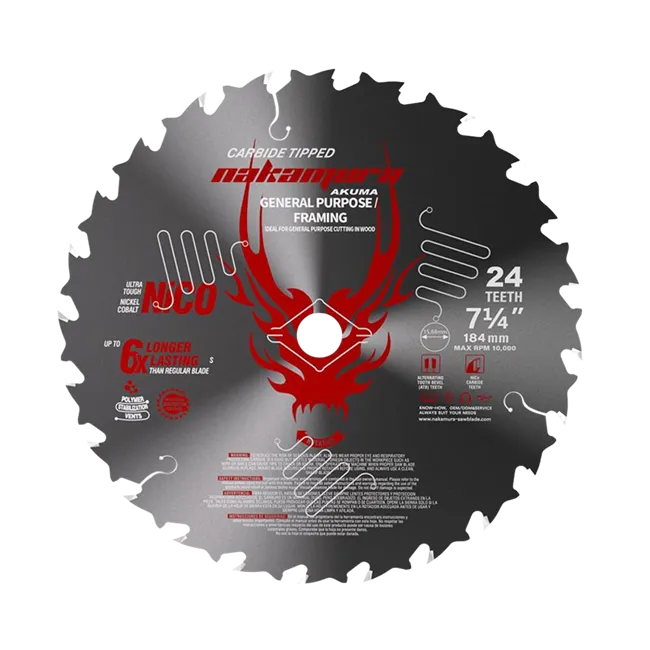
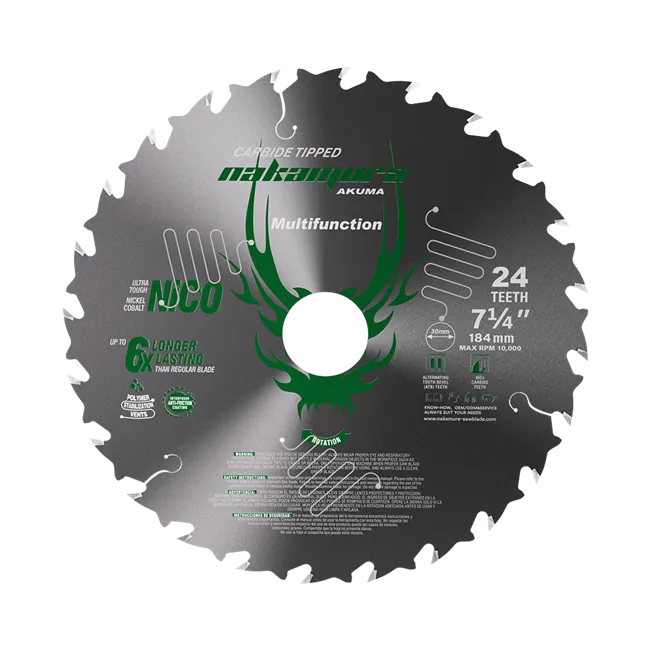
Blades with fewer teeth generally have larger gullets, allowing them to remove material quickly and clear chips efficiently. They are commonly used for rough cutting and applications where cutting speed is more important than surface finish.
For woodworking, a 24-tooth blade is a common choice for fast ripping and general rough cuts. For example, Nakamura's 184mm 24T Hardwood Saw Blade is designed for wood-cutting applications.
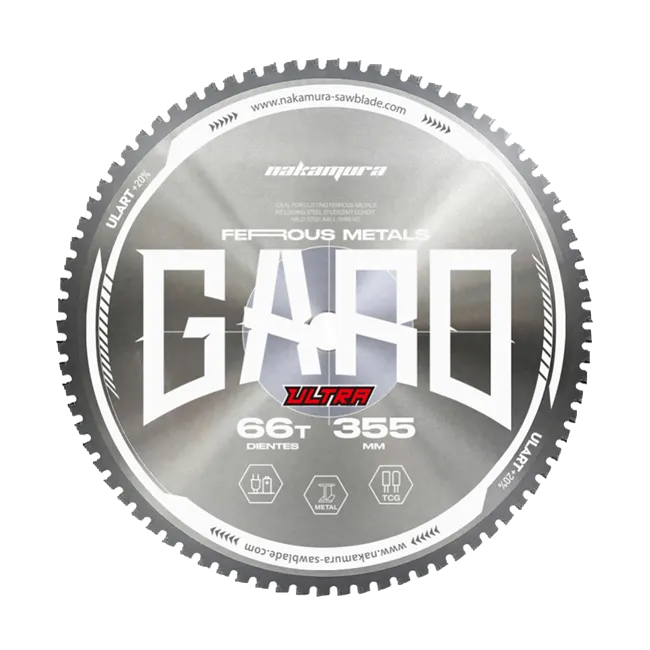
Low tooth count blades are not automatically suitable for metal cutting. Aluminum and other metals require blades specifically designed for the material, with appropriate tooth geometry and operating parameters.
2. High Tooth Count: Smoother Cutting Finishes
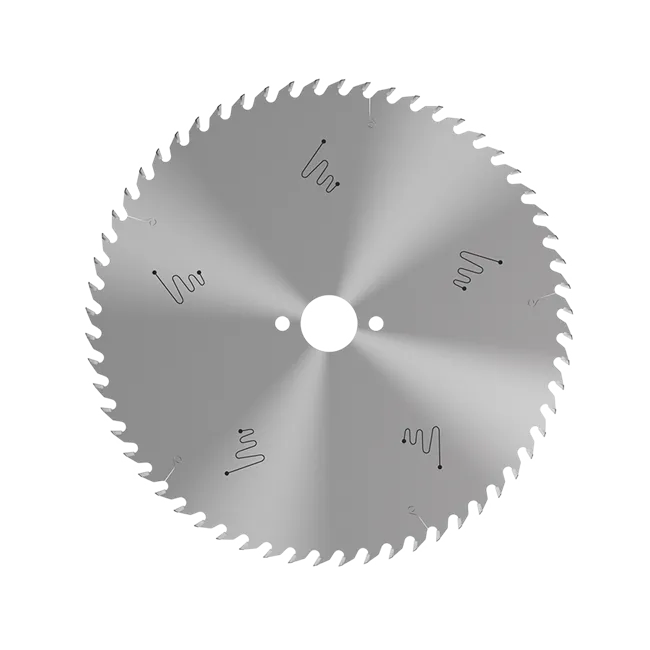
Blades with more teeth generally produce finer cuts because each tooth removes a smaller amount of material.
They are often used for:
Cross-cutting wood
Cutting trim and other finish-work materials
Working with laminated panels and coated boards
Applications where a cleaner edge is required
For example, a 60-tooth blade may provide a finer finish than a 24-tooth blade of the same diameter when both are suitable for the application.
For plywood and other woodworking applications requiring a cleaner finish, consider Nakamura's Plywood Fine Finish Circular Saw Blade.
The trade-off is that higher tooth counts provide less space for chip removal. Feed rate and cutting conditions must be appropriate to avoid excessive heat and poor cutting performance.
3. Medium Tooth Count: A Balance of Speed and Finish
Medium tooth counts can offer a practical balance between cutting efficiency and surface quality.
For many woodworking applications, a 40-tooth blade is a versatile option for general cutting. It can be suitable for users who need a balance between speed and finish rather than specializing in either rough ripping or fine finishing.
Nakamura's 184mm 40T Circular Saw Blade for Wood is one example for general woodworking applications.
However, a medium tooth count does not make a blade suitable for every material. Always check the blade's intended application before use.


4. Tooth Count and Blade Diameter
Tooth count should always be considered together with blade diameter.
A larger blade has a longer circumference and can accommodate more teeth while maintaining suitable tooth spacing. Therefore, two blades with different diameters may require different tooth counts even when they are designed for similar applications.
When selecting a replacement blade, check:
Blade diameter
Bore size
Tooth count and tooth geometry
Maximum permitted RPM
Compatibility with the saw
Intended cutting material and application
Never exceed the blade's marked maximum RPM or the operating limits of the machine.
5. Tooth Count for Different Woodworking Applications
The following figures are general examples for TCT woodworking blades. Actual selection depends on the blade diameter, material thickness, tooth geometry, and cutting requirements.
| Application | Common tooth-count range | Main priority |
|---|---|---|
| Rough ripping | 24T–30T | Fast material removal |
| General woodworking | Around 40T | Balance of speed and finish |
| Fine cross-cutting | 60T or more | Cleaner cutting edges |
| Laminated panels | Application-specific | Reduced chipping and smooth finish |
Tooth geometry also matters. For example, ATB (Alternate Top Bevel) tooth design is commonly used for wood cross-cutting, while TCG (Triple Chip Grind) is often selected for materials such as aluminum and certain engineered panels.
6. Does a Higher Tooth Count Mean a Better Blade?
Not necessarily.
A blade with more teeth may produce a smoother finish in the right application, but it may not be the best choice for fast ripping or thick material. Similarly, a blade with fewer teeth can cut efficiently but may leave a rougher surface.
Blade quality also depends on factors such as carbide grade, steel plate quality, tooth geometry, manufacturing precision, and sharpening quality.
The best blade is the one designed for your material, machine, and cutting requirements.
Conclusion
Tooth count plays an important role in circular saw blade performance, but it should never be considered on its own. Low tooth counts are commonly used for faster rough cuts, medium counts offer versatility, and higher counts are often preferred for finer finishes.
Before choosing a blade, consider its diameter, tooth design, material compatibility, and machine specifications. Matching these factors will help you achieve more consistent cutting results and make better use of your saw blades.
If you are looking for TCT or PCD circular saw blades for woodworking, aluminum, or engineered panels, contact Nakamura to discuss the specifications and application requirements for your project.