


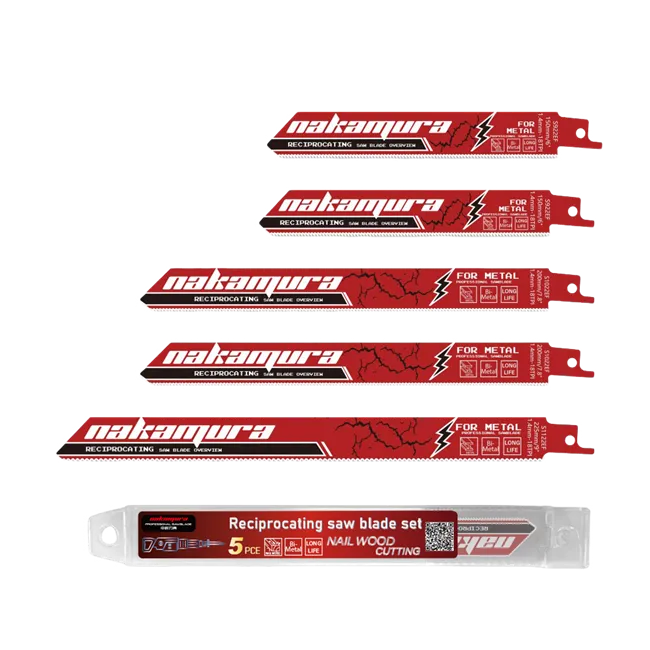
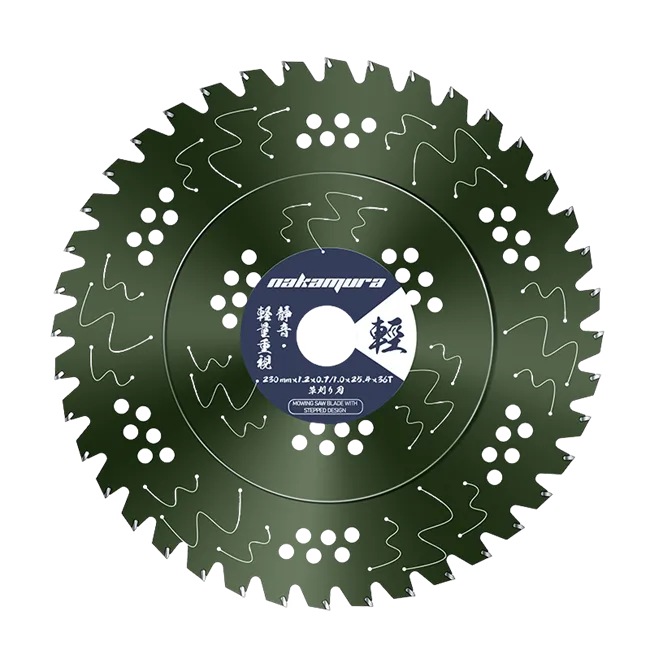
Carbide saw blades are widely used in the construction industry for cutting wood, plastic, aluminum, and other specified materials. Compared with conventional steel blades, carbide-tipped blades offer better wear resistance and can maintain cutting performance for longer under suitable operating conditions.
Their durability, cutting efficiency, and versatility make them a practical choice for contractors, builders, and professional tradespeople.
1. Wood Framing and Carpentry
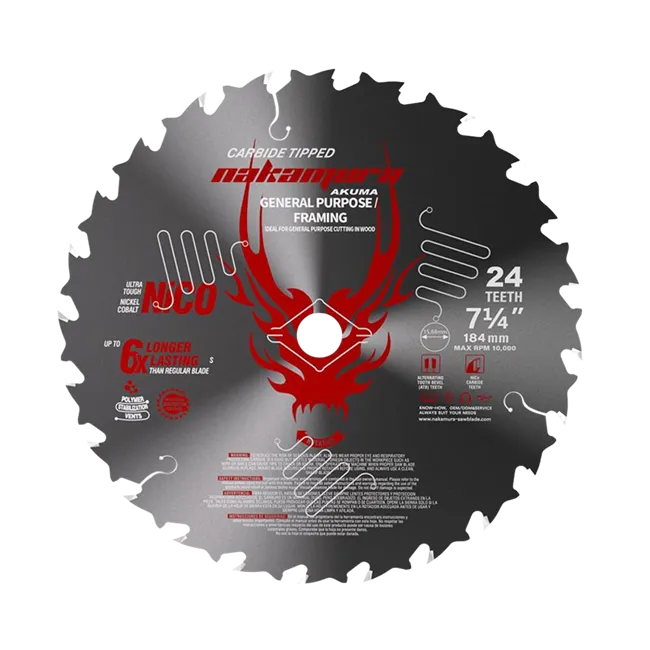
Wood cutting is one of the most common applications of carbide saw blades on construction sites. From framing lumber and plywood to decking, trim, and engineered wood, carbide-tipped blades can provide consistent cutting performance.
The right tooth design and tooth count depend on the material and the desired finish. Coarser tooth configurations are generally suitable for faster cutting, while finer configurations are often preferred for cleaner cuts.
2. Cutting Plastic and PVC Materials
PVC pipes, plastic panels, and composite materials are also used in modern construction. Using a blade with unsuitable tooth geometry or cutting parameters may cause rough edges, melting, or material damage.
A dedicated plastic-cutting blade can help achieve cleaner results. For example, the 7-1/4 Circular Saw Blade for Plastic is designed for applications involving plastic materials.
3. Aluminum Cutting
Aluminum is commonly found in window frames, door systems, gutters, and architectural components. Cutting it requires a blade specifically designed for non-ferrous metals.
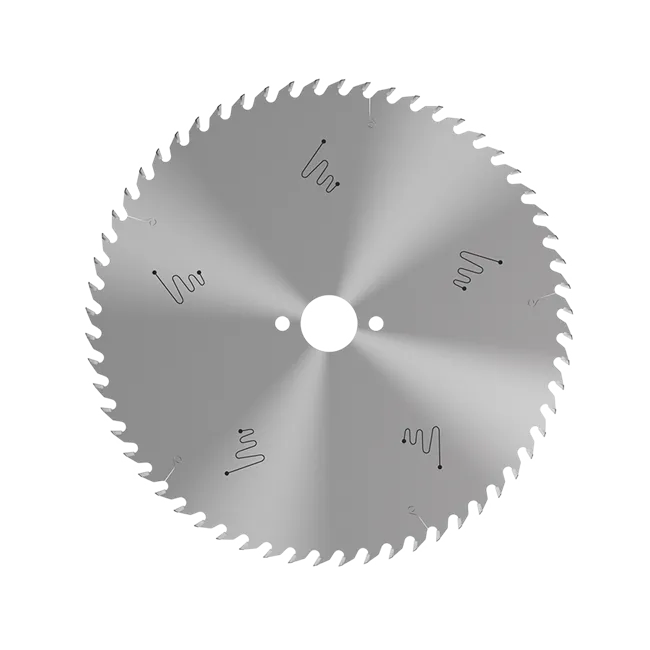
Carbide blades for aluminum use suitable tooth geometry and cutting configurations to help reduce burrs and improve cutting quality. For larger industrial applications, the 900mm Saw Blade for Aluminum is one example of a blade designed for aluminum processing.
4. Multi-Material Cutting
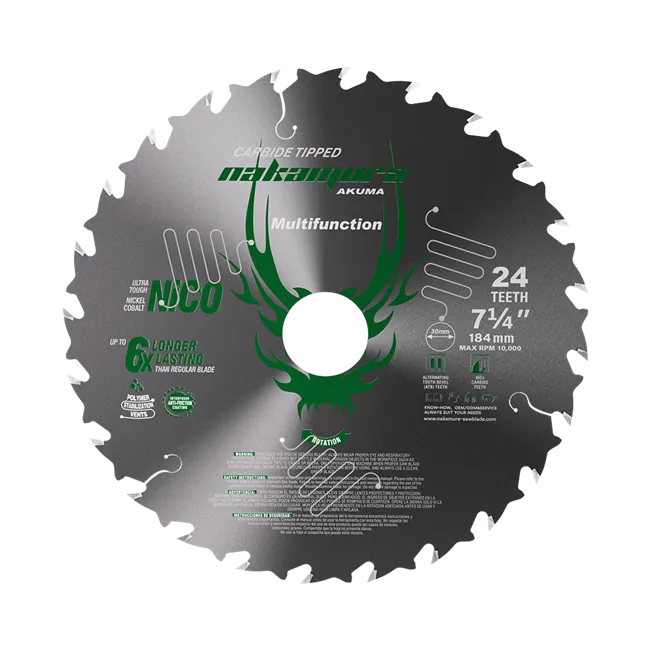
Some construction and renovation projects involve several materials, making blade selection an important consideration. Multi-material blades can reduce the need to change blades frequently, provided the materials are within the blade's specified cutting range.
The 7-1/4 Multi-Material Cutting Blade is an option for users who need one blade for multiple compatible materials. Always check the manufacturer's specifications before cutting metal or other specialized materials.
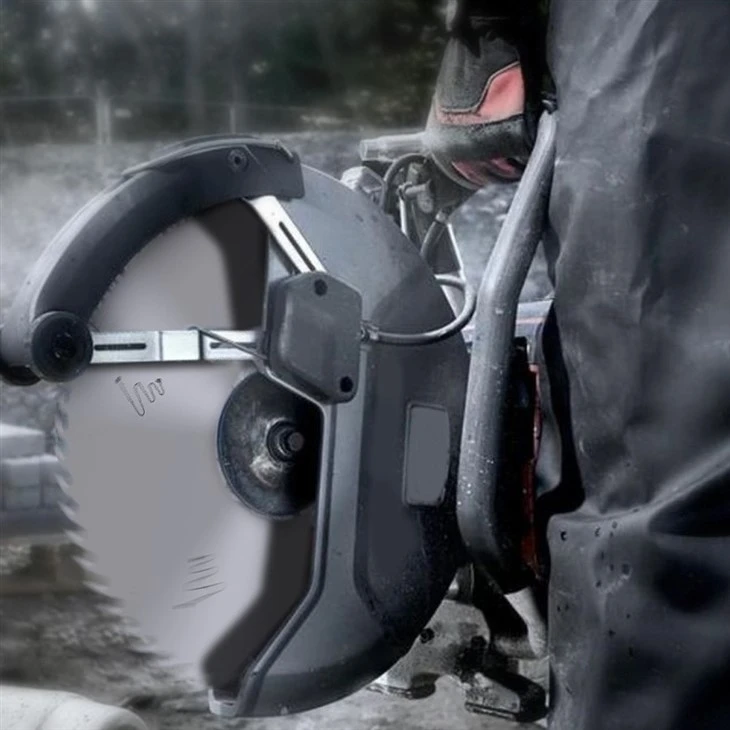
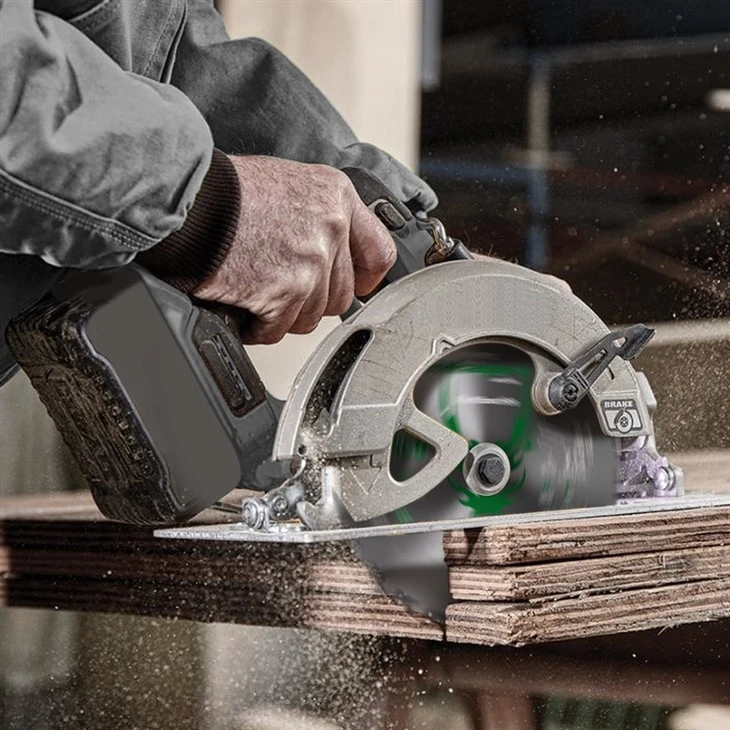
5. Choosing the Right Carbide Saw Blade
Carbide saw blades are not universal. Choosing the right blade requires considering several factors:
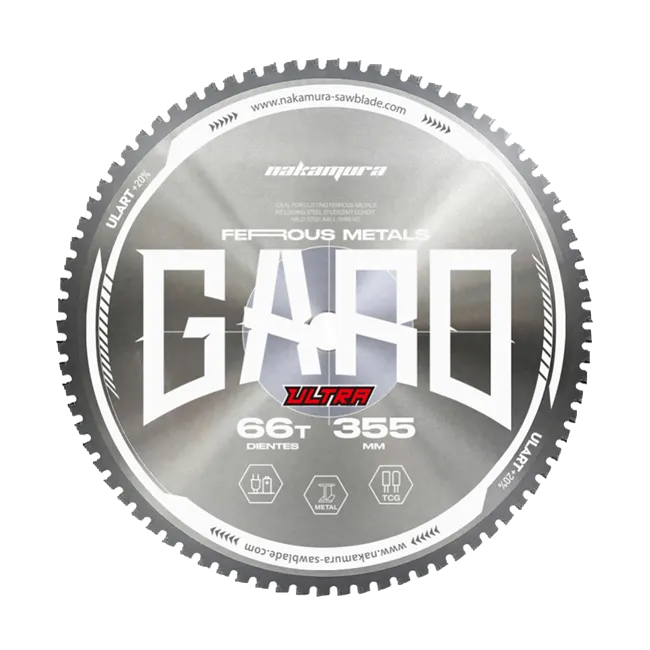
Material: Wood, plastic, aluminum, and steel require different blade designs.
Tooth count: The number of teeth affects cutting speed and finish.
Blade size: Diameter and bore size must match the saw.
Cutting requirements: Consider the desired finish, cutting speed, and application.
Machine compatibility: Always follow the recommended RPM and operating instructions.
Using the wrong blade can result in poor cutting quality, premature wear, or safety risks.
Conclusion
Carbide saw blades play an important role in modern construction, supporting applications ranging from wood framing and plastic cutting to aluminum processing and multi-material work.
Selecting a blade that matches the material, machine, and cutting requirements helps improve efficiency and achieve more consistent results.
Nakamura offers a range of carbide circular saw blades for different construction and industrial applications. Contact our team to discuss your requirements and find a suitable blade for your project.