


Whether you are clearing heavy brush or maintaining a commercial landscape, understanding the mechanics behind your cutting tools is crucial. One of the most common questions we receive from landscaping professionals and equipment distributors is: "Exactly how fast do metal weed eater and brush cutter blades spin?"
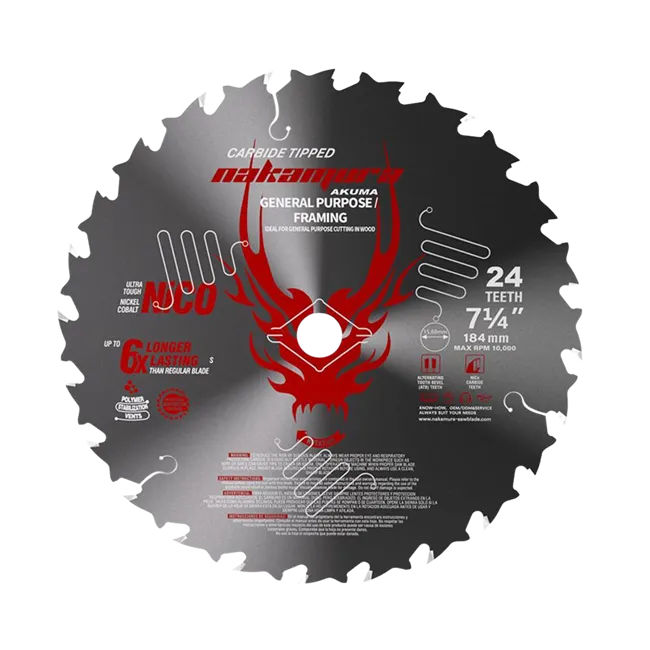
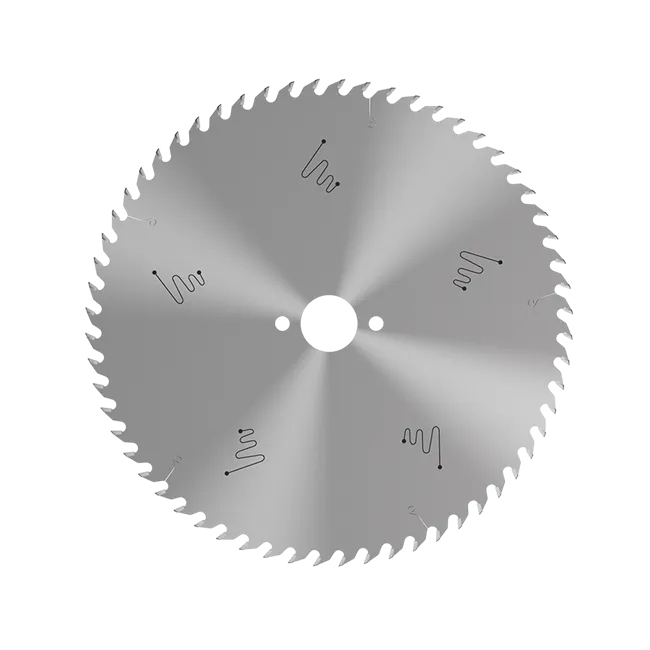
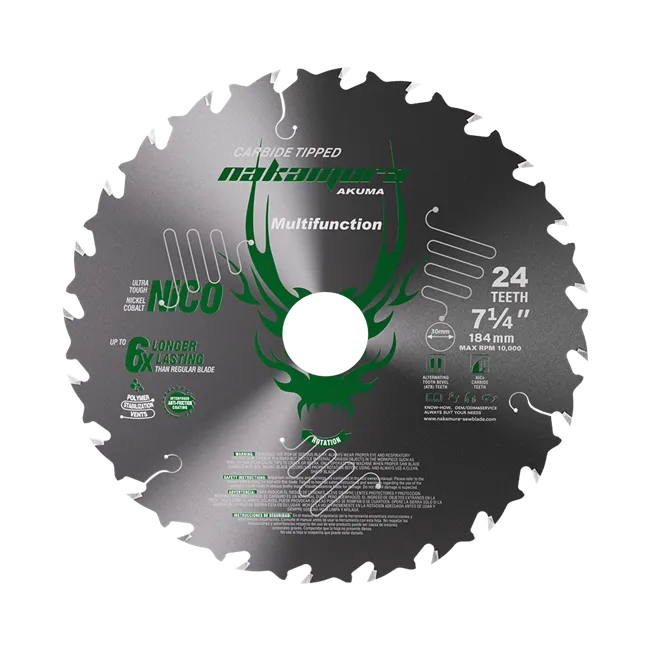
As a leading manufacturer of precision cutting tools-engineering everything from heavy-duty landscaping gear to premium Circular Saw Blade Carbide Tips for smooth woodworking crosscuts-we understand that blade speed (measured in Revolutions Per Minute, or RPM) directly impacts cutting efficiency, safety, and blade longevity.
In this guide, our Product Operations Director breaks down the science of high-speed cutting and how to choose the right blade for your equipment.
Understanding RPM in Landscaping Equipment
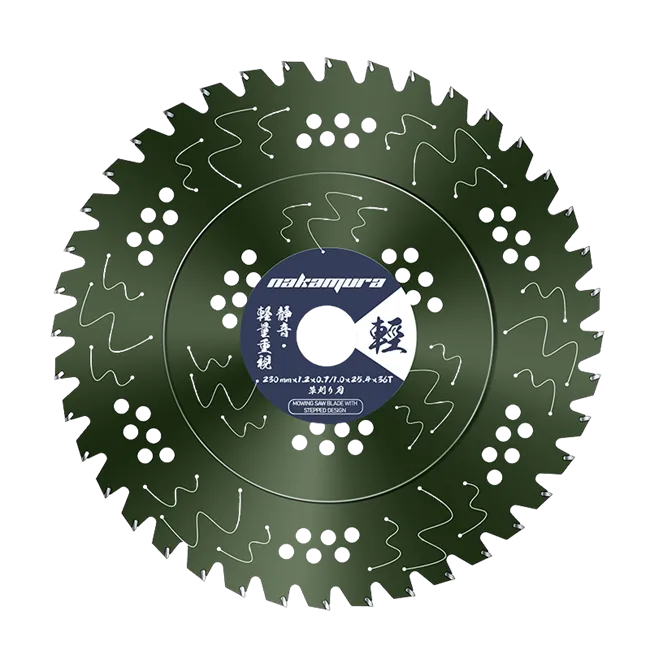
Unlike standard string trimmers that use nylon lines, brush cutters equipped with metal or carbide-tipped blades are engineered for heavy-duty tasks, such as slicing through thick saplings, brambles, and dense weeds.
The speed at which these blades spin depends heavily on the engine type and the gear ratio of the trimmer head:
Gas-Powered Brush Cutters: These heavy-duty machines are the industry standard for commercial clearing. Depending on the engine displacement (cc), gas-powered models drive metal blades at blazing speeds ranging from 7,000 to over 10,000 RPM.
Electric / Battery-Powered Trimmers: Modern electric trimmers equipped with brushless motors have significantly closed the power gap. Professional-grade battery weed eaters can sustain blade speeds between 5,000 and 7,000 RPM, offering powerful torque with less vibration and noise.

Why Blade Speed Matters
At 10,000 RPM, the kinetic energy transferred to the tip of the blade is immense. Understanding how to harness this speed is critical for your operation:
- Precision: A higher RPM ensures a cleaner, sharper cut, preventing the tearing or bruising of plant stems.
- Efficiency: High-speed spinning prevents the blade from bogging down or binding in thick vegetation. This principle of matching RPM with specialized tooth geometry applies across all trades; for example, utilizing a dedicated TCT Saw Blade For Cutting Composite Decking at the correct speed is the only way to prevent melting and chipping when working with modern WPC materials.
- Safety Risks: Spinning a blade faster than its rated maximum RPM is highly dangerous. It can lead to micro-fractures in standard steel blades, increasing the risk of shattering. This is why material quality is paramount.
The Secret to High-Speed Durability: Carbide Technology
When a blade spins at 8,000 RPM and strikes a hidden rock or a thick tree stump, standard steel dulls quickly or bends. Surviving this kind of extreme, abrasive friction requires serious metallurgical upgrades.
In the structural building sector, for instance, cutting abrasive materials like fiber cement will destroy a standard steel blade in minutes; it requires a specially engineered 305mm Fibre Cement Saw Blade utilizing Polycrystalline Diamond (PCD) or advanced carbide grades to maintain a sharp edge.
This exact same industrial standard applies to high-end landscaping. By brazing high-grade Tungsten Carbide-Tipped (TCT) teeth onto the steel body of a brush cutter blade, the tool can suddenly withstand extreme friction and high-speed impacts. This carbide brazing technology is the core foundation of all professional-grade cutting operations, bridging the gap between landscaping and heavy construction.

Conclusion: Quality Meets Velocity
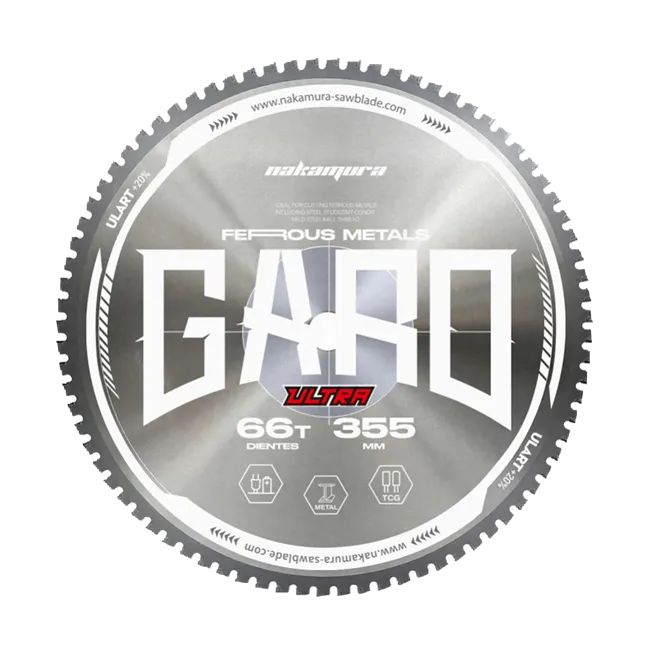
Whether you are attaching a blade to a 10,000 RPM gas brush cutter or a high-speed miter saw, the rule remains the same: Never compromise on blade material.
Matching the correct blade to your machine's RPM ensures optimal performance, extends the lifespan of your power tools, and most importantly, keeps the operator safe.
If you are a distributor, a professional landscaper, or a contractor looking to source high-quality, factory-direct cutting tools, we are here to help.