





As a trusted supplier of heavy-duty steel blade weed wackers and clearing saws, we understand the importance of proper technique. Setting the correct cutting approach not only affects the efficiency and quality of your vegetation-clearing tasks but also ensures the safety of the operator. In this blog, we share expert insights on how to optimize your cutting performance using steel-bladed clearing tools.
Understanding Cutting Depth and Swath Dynamics
Before diving into field techniques, it is crucial to understand how cutting depth works with a steel-bladed brush cutter. Unlike traditional nylon-line trimmers, steel blades are engineered to slice through dense brush, woody weeds, and small saplings.
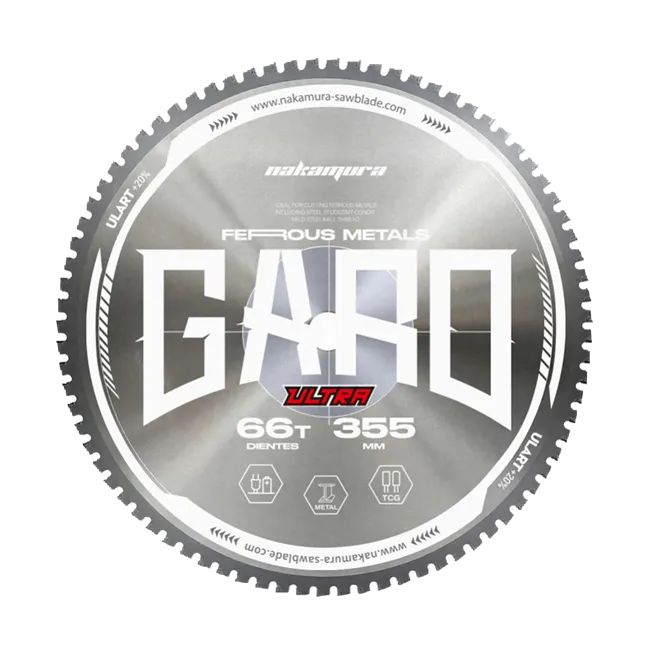
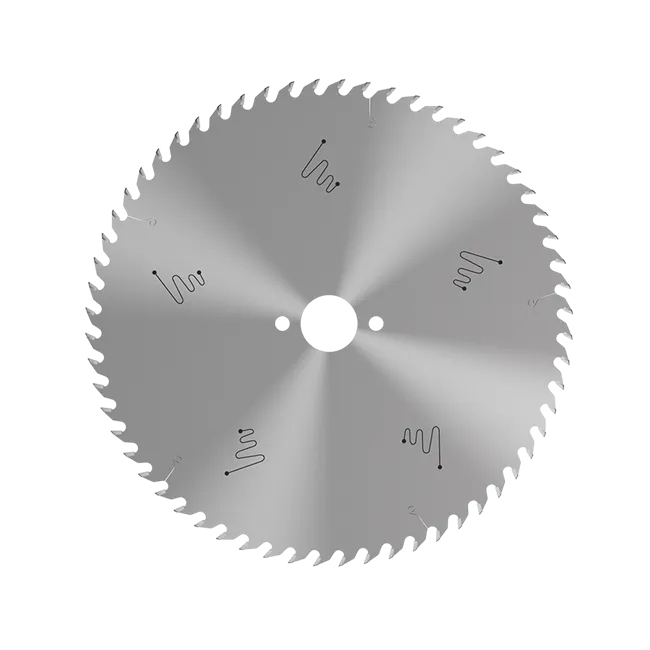
Selecting the right blade size and type dictates your cutting capacity. For instance, pairing your machine with a heavy-duty 10 Circular Saw Blade for Cutting Metal allows operators to tackle tougher, rigid materials with ease due to its increased diameter. Similarly, specialized applications require precision tooling, such as a 125mm 12T PCD Cutting Blade, which is designed for high-performance cutting in specialized hard materials according to manufacturer guidelines.
Key Factors Affecting Cutting Performance
Several variables influence how effectively your steel blade cuts through vegetation:
1. Power Source and Engine Output
Gas-powered clearing saws generally deliver higher torque and continuous power compared to electric alternatives, making them better suited for managing deeper, denser thickets without bogging down.
2. Nature of the Vegetation
Soft grasses require minimal effort and a sweeping motion, whereas woody weeds, thick vines, and fibrous brush require a controlled, multi-pass cutting approach to allow the steel teeth to sever tough fibers effectively.
Steps for Safe and Effective Operation
While brush cutters do not feature mechanical depth-adjustment levers like woodworking tools, optimizing your cutting depth relies on proper setup and execution:
Step 1: Consult Your User Manual: Always review your specific equipment manual for safety warnings and approved blade attachments.
Step 2: Pre-Operation Inspection: Ensure the engine is turned off and cooled down (or batteries disconnected) before inspecting the gear head and blade tightness.
Step 3: Adjust the Harness and Handlebars: Proper ergonomic setup dictates your cutting angle. Adjust your harness so the blade floats parallel to the ground at the desired height.
Step 4: Test Cutting Angles: Make controlled sweeps on a small patch of brush. Adjust your stance to control how deep the blade engages into thick stalks.
Maintenance and Blade Longevity
Proper operation significantly reduces wear and tear. When cutting depth and approach angles are managed correctly, the blade experiences less binding stress.
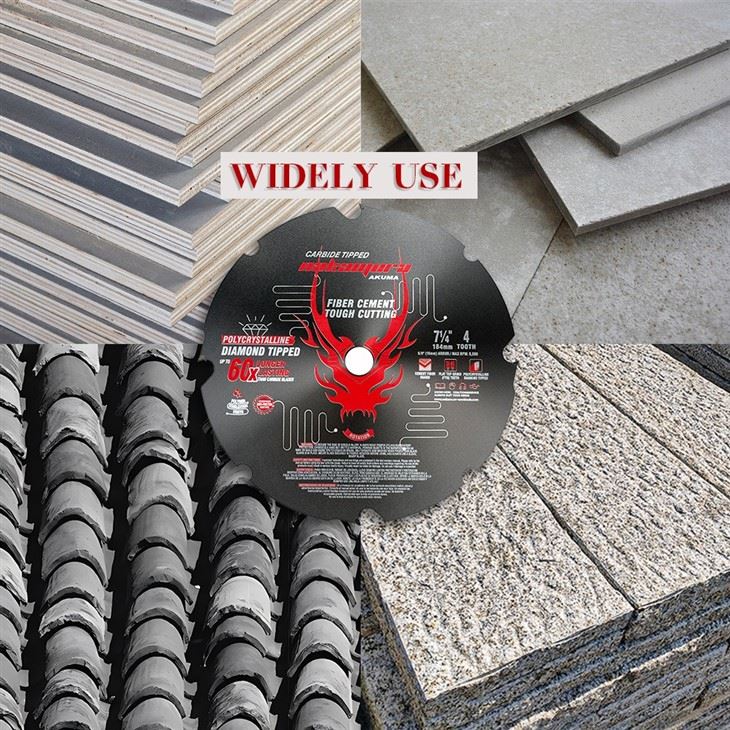
For specialized contractor applications-such as cutting dense composite siding or abrasive panels during construction clean-up-upgrading to a robust Fiber Cement Circular Saw Blade ensures your equipment maintains peak cutting efficiency and extends overall tooling lifespan.
Conclusion
Mastering the use of a steel blade weed wacker or brush cutter ensures efficient, safe, and professional property maintenance. By respecting equipment limits, utilizing proper protective gear, and selecting the right industrial blade for your project, you maximize both productivity and safety.
Contact us today to explore our full range of professional cutting tools and find the ideal solution for your commercial or residential clearing needs!