


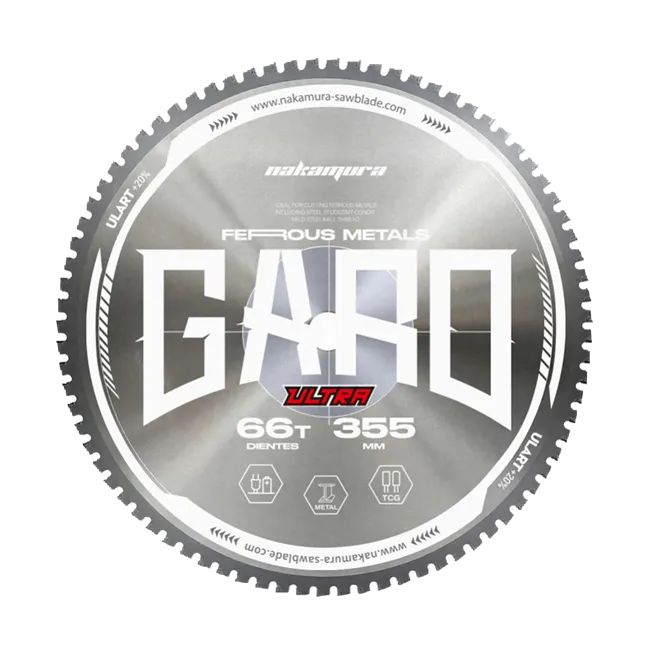
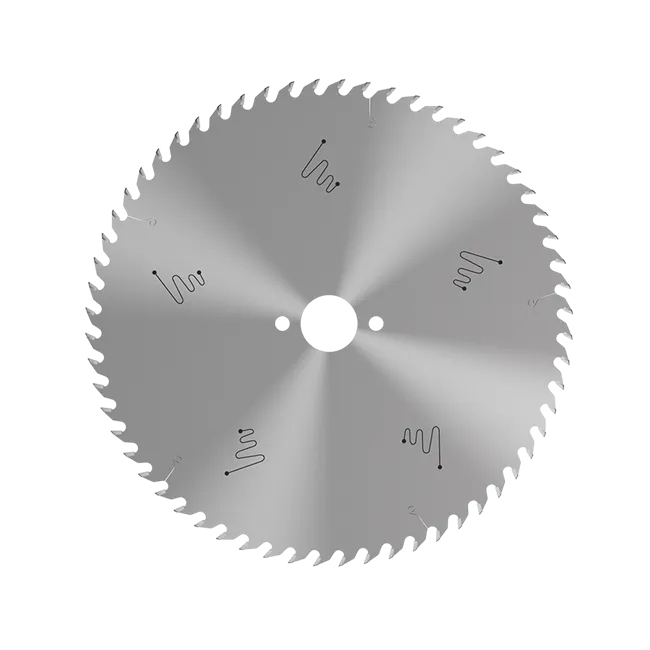


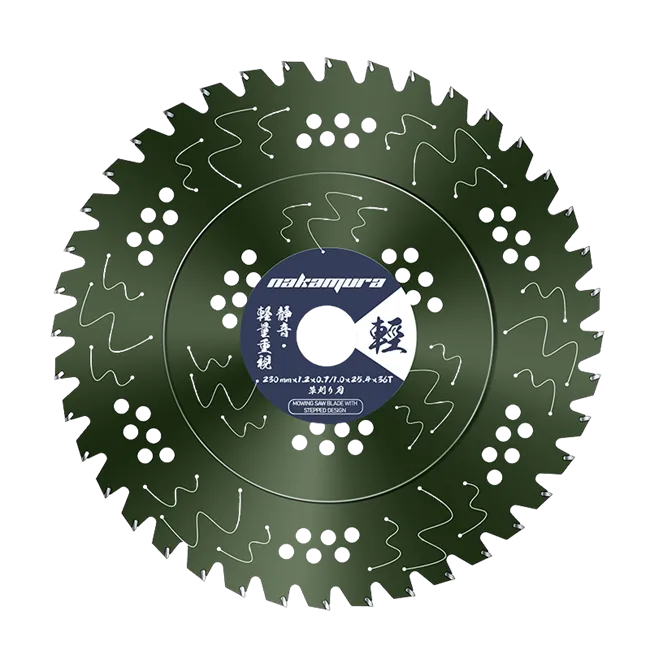
Ensuring your carbide circular saw blade is running true and balanced is crucial for smooth, efficient, and safe cutting operations. As a professional carbide circular saw blade supplier, we know firsthand the impact that a well-maintained blade has on performance. In this guide, we will share how to inspect, clean, and maintain the balance of your circular saw blades.
Why Blade Balance and Runout Matter
Before we dive into the maintenance steps, let's talk about why blade stability is so important. When a saw blade is unbalanced or warped (often referred to as having high runout), it causes a range of issues. First, it leads to uneven wear on the carbide teeth, significantly reducing the blade's lifespan. Uneven wear also creates rough edges, tear-out, and inaccurate cuts.
Moreover, an unbalanced blade causes excessive vibration. This vibration makes the cutting process unsafe and puts immense stress on your saw's motor and arbor bearings. Maintaining a perfectly balanced, flat blade extends both the life of your tooling and your machinery.
Tools You'll Need
To properly inspect and maintain your carbide circular saw blade, you will need a few essential items:
- A high-quality blade/pitch cleaner or mild solvent.
- A stiff nylon brush or brass wire brush.
- A dial indicator with a magnetic base (to measure runout/wobble).
- A perfectly flat surface (like a cast-iron table saw top or a piece of heavy glass).

Step-by-Step Inspection and Maintenance Process
Step 1: Visual Inspection
The first step is a thorough visual inspection. Look for chipped or missing carbide teeth, cracks in the steel plate, or blued steel (which indicates overheating). Missing teeth will immediately throw a blade out of balance. If teeth are missing or damaged, the blade must be sent to a professional sharpening service for repair.
Step 2: Deep Cleaning
Often, a blade that feels unbalanced is simply dirty. Wood pitch, resin, and sap can build up heavily on one side of the blade, throwing off its weight distribution and causing friction. Apply your pitch cleaner, let it soak, and scrub the blade clean. A clean blade runs cooler and truer.
Step 3: Checking for Runout (Wobble)
Mount the clean blade onto your saw. Unplug the machine for safety. Set up your dial indicator on the saw table so the tip rests against the flat steel plate of the blade, just below the teeth. Slowly rotate the blade by hand. A standard blade should have no more than 0.002 to 0.005 inches of runout. If the variance is higher, the blade is warped.
Step 4: Professional Tensioning and Servicing Important Safety Note
Never attempt to add weights, clips, or adhesives to a circular saw blade to balance it. Centrifugal forces at high RPMs will turn them into dangerous projectiles. If your blade is warped or structurally out of balance, it must be sent to a professional saw smith. They use specialized anvils and hammers to "tension" the steel, returning it to perfect flatness and balance.

Explore Our High-Performance Product Range
As a leading carbide circular saw blade supplier, we offer a wide range of factory-balanced, precision-engineered blades to meet your exact cutting needs.
- For non-ferrous metals, our Aluminum Circular Saw Blade is engineered to provide a smooth, burr-free cut. It features premium carbide teeth designed to resist wear, ensuring maximum longevity and stability.
- If you are cutting softwoods, hardwoods, or panels, our 147mm TCT Circular Saw Blade For Wood is a fantastic choice. Its optimized tooth geometry allows for fast, efficient cutting while leaving a flawless finish.
- For ultra-demanding applications like composites, fiber cement, or highly abrasive materials, our 10T PCD Cutting Blade is the ultimate solution. Polycrystalline Diamond (PCD) teeth offer exceptional hardness, lasting up to 50 times longer than standard carbide.
Conclusion
Maintaining the balance and flatness of a carbide circular saw blade is essential for precision and safety. By keeping your blades clean, inspecting them regularly, and relying on professional tensioning when they lose their flatness, you will enjoy better cuts and longer tool life. Contact our team today if you need help selecting the perfect, precision-balanced blade for your next project!