


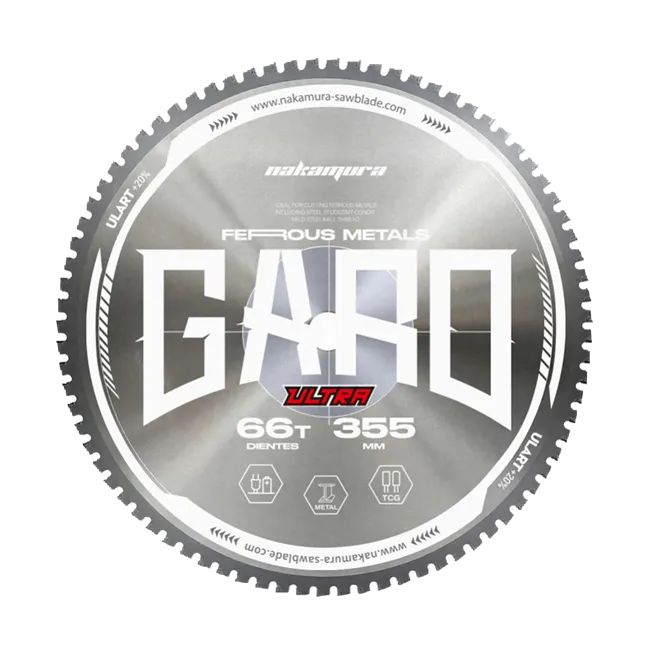
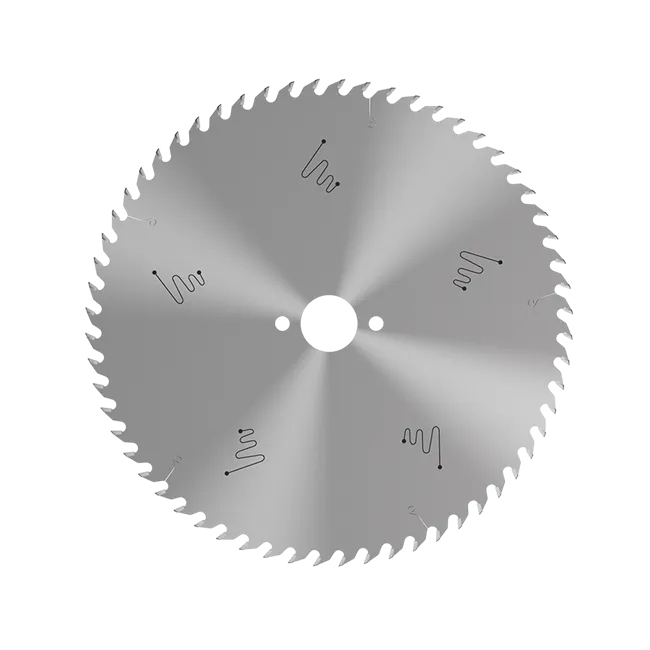


Why Cleaning a Carbide Circular Saw Blade Matters
A carbide-tipped circular saw blade depends on sharp teeth, accurate tooth geometry, stable plate tension, and efficient chip removal. When the blade cuts softwood, plywood, MDF, OSB, laminated panels, or engineered wood, resin and glue residue can stick to the carbide tips and the steel plate.This buildup can cause several problems:- Slower feed speed and higher cutting resistance.
- More friction and heat during cutting.
- Burn marks on wood or panels.
- Rougher edges and less stable cutting.
- Increased vibration and noise.
- Higher risk of rust if moisture or cleaner residue remains on the blade.
Tools You Need
Before cleaning a carbide circular saw blade, prepare the following items:- A dedicated saw blade cleaner or resin remover
- Warm water and a small amount of mild detergent
- Nylon brush or soft-bristle brush
- Cut-resistant gloves
- Safety glasses
- Shallow cleaning tray
- Clean dry cloth
- Light rust preventive oil or dry lubricant
Step 1: Disconnect the Tool and Remove the Blade
Always turn off the saw and unplug it before cleaning. If you are using a cordless circular saw, remove the battery first. Wait until the blade has completely stopped rotating before touching it.Wear gloves when removing the blade. Carbide teeth are sharp, and even a dirty blade can easily cut your hand. Hold the blade by the plate area instead of gripping the tooth edge directly.Step 2: Inspect the Blade Before Cleaning
Before soaking the blade, inspect it carefully. Look for:- Chipped or missing carbide teeth
- Loose brazed tips
- Cracks in the blade body
- Warped or bent plate
- Heavy rust
- Damaged arbor hole or pin holes
- Abnormal discoloration near the teeth
Step 3: Soften Resin and Pitch Buildup
Place the blade flat in a shallow tray. Apply a dedicated blade cleaner or resin remover to the teeth and plate. For light dust and general dirt, warm water with mild detergent may be enough. For pitch, glue, or panel residue, a professional blade cleaner is usually more effective.Let the cleaner work for about 5–15 minutes. Do not soak a coated blade for too long, and do not allow the cleaner to dry on the blade surface.Step 4: Brush the Teeth, Gullets, and Expansion Slots
Use a nylon brush or soft-bristle brush to clean the blade. Work gently along the direction of the teeth instead of scraping against the cutting edge.Focus on these areas:- Carbide tooth faces
- Gullets between the teeth
- Blade plate surface
- Expansion slots
- Stabilizer slots
- Arbor hole area
Step 5: Rinse, Dry, and Protect the Blade
After cleaning, rinse the blade quickly with clean water to remove cleaner residue. Dry it immediately with a soft cloth. Pay special attention to the gullets, expansion slots, and arbor hole because moisture can stay in these areas.If the blade will be stored for a long time, apply a very light rust preventive layer to the steel plate. Make sure the blade is completely dry before placing it in a blade case, sleeve, or storage rack.How Often Should You Clean a Carbide Saw Blade?
The cleaning frequency depends on the cutting material and workload.- Softwood or resin-rich wood: inspect and clean frequently.
- MDF, plywood, and OSB: clean after visible glue or dust buildup.
- Laminated panels: clean regularly to maintain edge quality.
- Jobsite cutting: check the blade after heavy use or mixed-material cutting.
- Long-term storage: clean and dry the blade before storage.
For contractors and distributors who need a durable blade for jobsite wood, OSB, MDF, and plywood cutting, the Nakamura 184mm TCT Saw Blade For Wood is a suitable option for daily construction and installation work.

Cleaning Tips for Different Wood Materials
1. Solid Wood and Softwood
Softwood often contains more resin. This resin can build up around the carbide tips and gullets, reducing chip removal. Clean the tooth area carefully before the blade starts burning the cut surface.2. MDF and Plywood
MDF and plywood contain adhesive materials. Fine dust and glue residue can collect in the gullets and expansion slots. Cleaning these areas helps reduce friction and heat.3. Laminate and Coated Panels
Laminated panels require a cleaner cutting edge. If resin or glue sticks to the teeth, the blade may leave chips, burn marks, or rough edges. For laminated wood and double-sided panel materials, consider using the Nakamura Circular Saw Blade For Laminate Wood, and keep the teeth clean for more stable cutting performance.
4. Cleaning Does Not Replace Sharpening
Cleaning removes resin, glue, pitch, and dust. It does not restore a damaged or rounded carbide cutting edge.You may need professional sharpening or blade replacement if:- The blade still cuts slowly after cleaning.
- Burn marks continue to appear.
- The carbide tips look rounded or chipped.
- Cutting noise becomes abnormal.
- The cut quality does not improve after cleaning.
For cleaner finishing cuts in wood and engineered panels, a higher tooth-count blade can be a better choice. The Nakamura 7 1/4 Carbide Circular Saw Blade uses a 184mm 60T configuration and is designed for smoother wood and panel cutting.
Common Mistakes to Avoid
Avoid these mistakes when cleaning a carbide circular saw blade:- Using a wire brush on carbide teeth.
- Using oven cleaner or strong caustic chemicals.
- Soaking the blade in water for too long.
- Leaving moisture on the blade after cleaning.
- Scraping the coating with metal tools.
- Cleaning only the blade plate but ignoring the gullets.
- Continuing to use a blade with cracks, missing teeth, or loose carbide tips.