


Introduction to PCD-Tipped Saw Blades
Polycrystalline diamond (PCD) tipped saw blades are designed for cutting abrasive materials that can cause conventional carbide teeth to wear quickly. Common applications include MDF, HDF, particleboard, laminated panels, fiber cement boards, and other engineered materials, depending on the blade design.
Compared with conventional tungsten carbide-tipped (TCT) blades, PCD blades can offer longer service life when used on suitable abrasive materials. This can help reduce blade-change frequency and improve productivity in high-volume manufacturing. Actual performance depends on the material, blade geometry, machine setup, and operating conditions.
For buyers sourcing PCD saw blades in 2026, choosing the right supplier means evaluating product suitability, manufacturing consistency, customization options, quality control, and after-sales support-not just the purchase price.
PCD Saw Blade Manufacturers and Suppliers to Know
The following companies are reference points for researching industrial cutting tools. This is not a verified ranking of the world's ten largest PCD saw blade factories. Product availability and specialization vary, so buyers should confirm specific PCD circular saw blade offerings directly with each supplier.
1. Zhejiang Zhongcun Precision Cutter Machinery Co., Ltd. - NAKAMURA
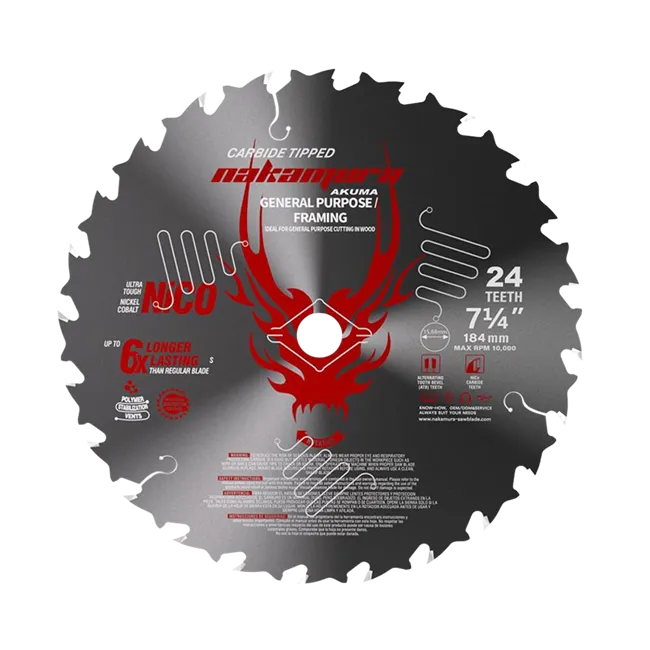
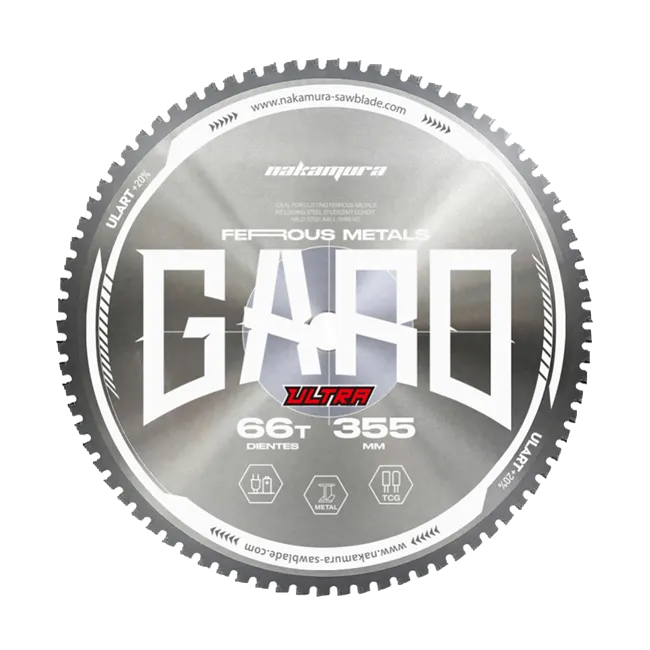
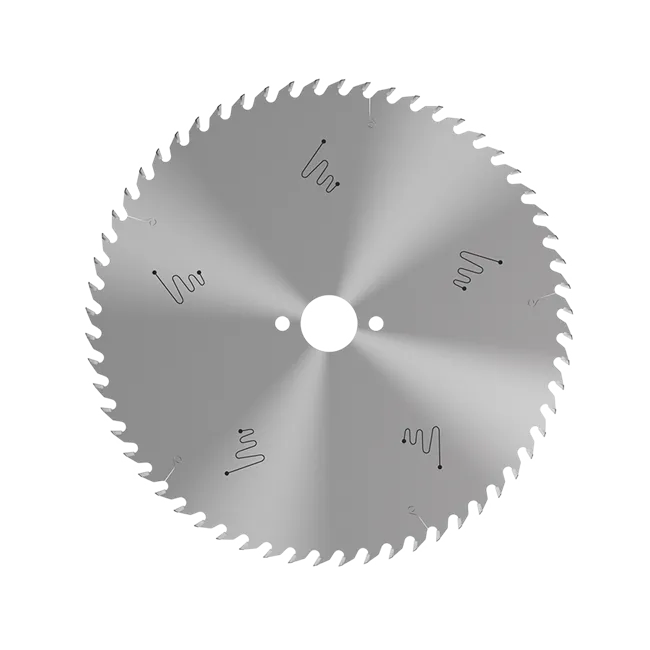
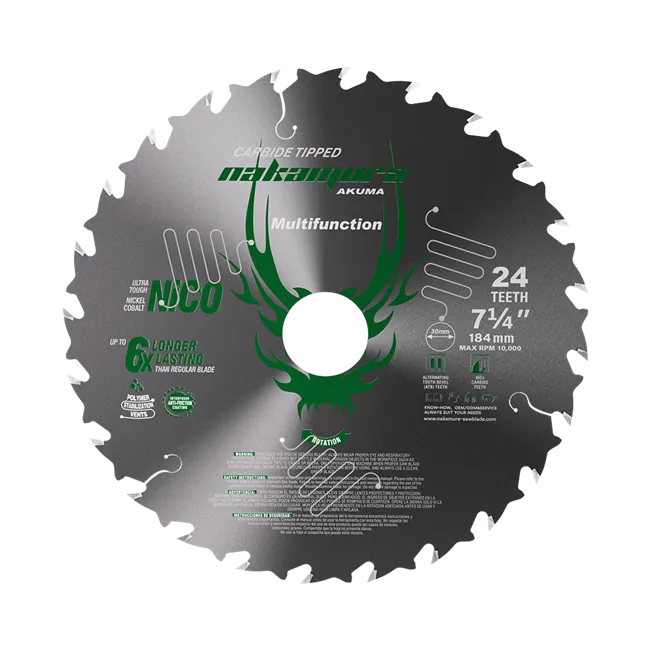
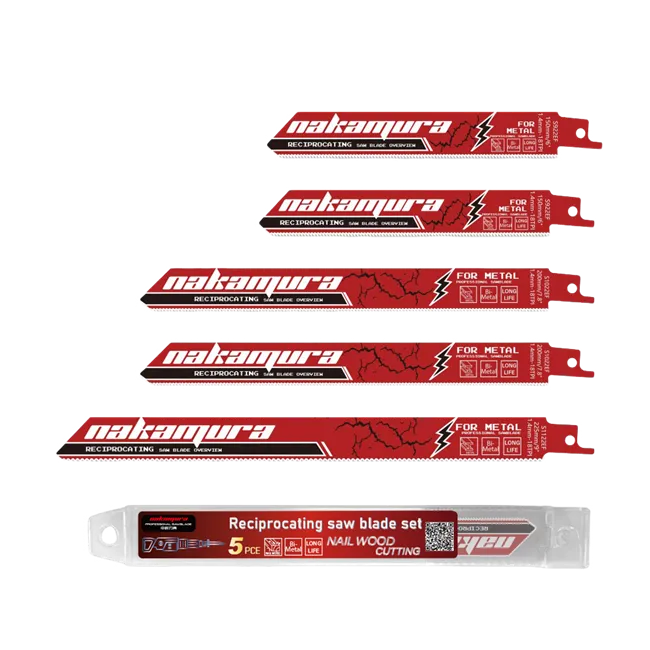
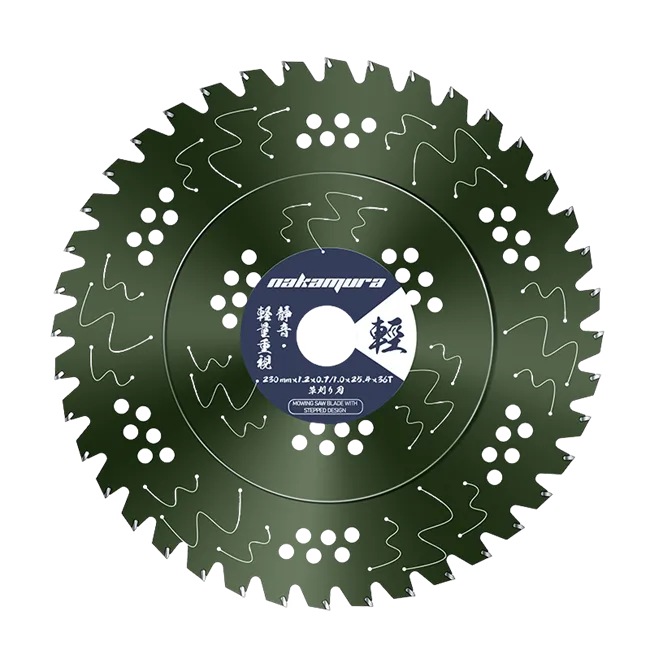
NAKAMURA is a Chinese saw blade manufacturer specializing in TCT and PCD circular saw blades for different cutting applications. Its PCD product range includes blades for engineered wood panels and abrasive building materials.
The company offers OEM and customization options, depending on the product, including blade dimensions, tooth configurations, logos, and packaging. These options can be useful for importers, distributors, and tool brands seeking private-label products.
For wood-based panels, the PCD Tipped Circular Saw Blades range includes options for materials such as MDF, OSB, and laminated veneer.
Website: https://www.nakamura-sawblade.com/
2. Leitz
Leitz is a German manufacturer of precision tooling systems for woodworking and related industries. Its portfolio includes industrial tooling for panel processing and other demanding production applications.
Buyers researching Leitz for PCD tooling should confirm the relevant product series, material compatibility, and available technical services directly with the company or its local representatives.
Website: https://www.leitz.org/
3. Freud
Freud is an established cutting-tool brand known for circular saw blades and woodworking tools. Its products serve professional users across a range of woodworking applications.
Buyers looking specifically for PCD-tipped blades should verify whether the required blade is available in PCD construction, as product materials and designs vary by application.
Website: https://www.freudtools.com/
4. Amana Tool
Amana Tool supplies cutting tools for woodworking, plastics, and other machining applications. Its catalog serves professional users who need tools for different materials and machining requirements.
When evaluating Amana Tool for PCD applications, confirm the exact product type and whether it is a PCD-tipped circular saw blade or another type of cutting tool.
Website: https://www.amanatool.com/
5. Kyocera Unimerco
Kyocera Unimerco provides industrial tooling and tool-management solutions, with experience in woodworking and manufacturing applications. Its services may be relevant to businesses seeking consistent tool performance across production processes.
Buyers should confirm the availability of specific PCD saw blade designs and the associated reconditioning or technical support services for their market.
Website: https://www.kyocera-unimerco.com/
6. Sumitomo Electric
Sumitomo Electric has expertise in advanced materials and industrial cutting tools, including diamond-related technologies. Its broader capabilities make it relevant to research into high-performance industrial tooling.
However, not every diamond cutting tool is a PCD-tipped circular saw blade. Buyers should confirm the intended tool type and application before comparing products.
Website: https://sumitomotool.com/
7. Sandvik Coromant
Sandvik Coromant is a major supplier of metalworking cutting tools and machining solutions. Its expertise is particularly relevant to industrial machining and precision manufacturing.
It should not automatically be treated as a direct supplier of PCD circular saw blades. Buyers seeking this specific product should verify the company's current product offering and distinguish sawing tools from other PCD cutting tools.
Website: https://www.sandvik.coromant.com/
8. Specialized Regional PCD Tooling Manufacturers
Regional manufacturers may offer customized PCD tooling for specific materials, production lines, or local markets. These suppliers can be worth evaluating when standard products do not meet a buyer's requirements.
Before shortlisting a supplier, verify its legal company identity, manufacturing capabilities, product catalog, and quality-management documentation. A company advertising diamond tools does not necessarily manufacture PCD-tipped circular saw blades in-house.
9. OEM and Private-Label Suppliers
OEM suppliers can be suitable for importers, distributors, and brands that need customized specifications or retail packaging. Depending on the factory, customization may include blade diameter, bore size, tooth geometry, logo, and packaging.
Buyers should clarify minimum order quantities, sample availability, lead times, inspection procedures, and responsibility for technical support before placing an order.
10. Local Industrial Tooling Distributors
A local distributor may be preferable when fast replenishment, application advice, and nearby service are priorities. Distributors can also help buyers compare several brands without contacting each manufacturer individually.
However, a distributor is not necessarily a factory. If direct manufacturing, OEM development, or private labeling is required, confirm whether the supplier produces the blades itself or sources them from another company.
How to Choose the Right PCD Saw Blade Supplier
1. Match the Blade to the Material
PCD blades are particularly useful for many abrasive materials, including fiber cement and engineered wood panels. Different applications require different tooth geometries and blade configurations.
For fiber cement and other suitable abrasive building panels, a PCD Fiber Cement Circular Saw Blade may be suitable when its specifications match the material and cutting equipment. Always confirm the recommended blade type with the supplier.
PCD is generally not the appropriate choice for cutting ferrous metals such as ordinary steel. Verify material compatibility before ordering.
2. Evaluate Manufacturing and Quality Control
Ask how the supplier controls blade-body flatness, balance, tooth geometry, brazing quality, and final inspection. Request relevant inspection records or cutting-test information where appropriate.
Consistent manufacturing matters because blade stability and cutting performance depend on the complete blade assembly, not simply on the hardness of the PCD material.
3. Confirm Customization and Order Requirements
For OEM or private-label projects, clarify which specifications can be customized and whether tooling or setup fees apply. Confirm minimum order quantities, sample costs, production lead times, packaging options, and artwork requirements in writing.
For wood-based panels, the 165mm PCD Circular Saw Blade is another option to review when comparing product specifications. Its suitability should be assessed against the intended material, machine, and cutting requirements.


4. Compare Total Operating Cost
The lowest purchase price does not always result in the lowest cost per cut. When comparing suppliers, consider blade price, usable service life, sharpening or replacement costs, changeover time, and finished-cut quality.
Where possible, conduct a controlled cutting trial using the same material, machine, and operating conditions.
5. Check Support After Delivery
Ask whether the supplier can assist with blade selection, troubleshooting, sharpening, and replacement planning. For distributors and industrial users, reliable communication and consistent specifications across repeat orders can be just as important as the initial price.
Conclusion
Selecting a PCD saw blade supplier in 2026 requires careful consideration of product suitability, manufacturing capability, quality control, customization, and long-term support. Established tooling brands, specialized manufacturers, OEM suppliers, and local distributors may all play different roles in the purchasing process.
Rather than relying on an unverified global ranking, buyers should confirm each company's actual PCD saw blade offering and compare products under their intended working conditions. The right supplier is one that can consistently meet the required specifications, support the target application, and deliver a competitive total cost of ownership.