


When using a carbide saw blade, the cutting method can affect heat generation, chip evacuation, cutting quality, and blade life. Two common approaches are dry cutting and wet cutting.
Neither method is universally better. The appropriate choice depends on the material, blade design, machine, cutting parameters, and working environment.
What Is Dry Cutting?
Dry cutting means cutting without applying coolant or water directly to the cutting area.
One of its main advantages is simplicity. There is no coolant tank, pump, hose, or liquid cleanup required, making dry cutting convenient for construction sites, workshops, and applications where access to water is limited.
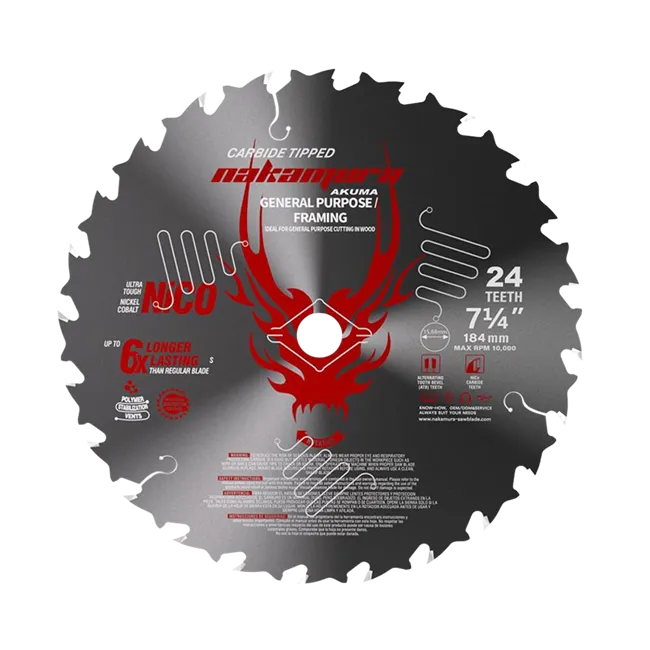
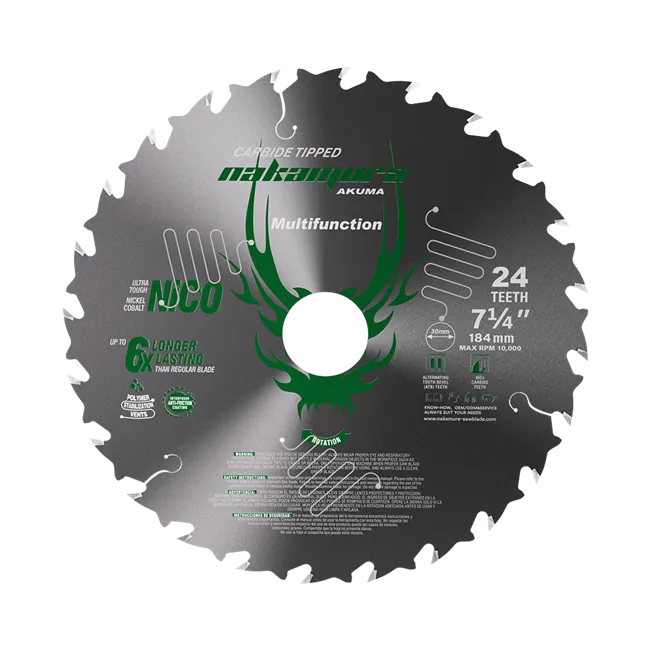
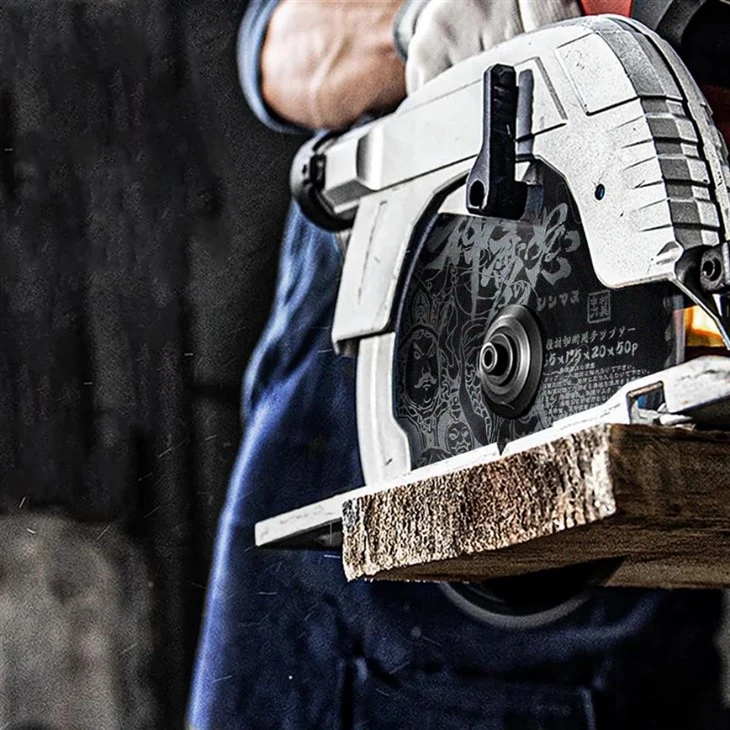
For wood and many general-purpose applications, dry cutting is common and practical. A suitable multipurpose blade such as Circular Saw Blade for Wood And Metal can be selected when the application involves suitable wood and metal cutting requirements.
However, dry cutting can generate significant heat when cutting certain metals. The material, blade geometry, tooth design, cutting speed, and feed rate all influence how much heat is produced.
What Is Wet Cutting?
Wet cutting uses water or an appropriate cutting fluid to help control temperature and remove chips from the cutting area.
For some metal-cutting applications, coolant can reduce friction and carry heat away from the cutting zone. It can also help improve chip evacuation when the blade and machine are designed for wet cutting.
This can be particularly relevant when cutting aluminum or other materials where heat and chip accumulation can affect cutting performance.
For example, Circular Saw Blade To Cut Aluminium can be selected according to the specific aluminum-cutting application and machine requirements.
However, wet cutting also requires additional equipment and process control. Coolant management, work-area cleanliness, fluid compatibility, and proper disposal all need to be considered.
Dry Cutting vs. Wet Cutting
The differences can be summarized as follows:
| Factor | Dry Cutting | Wet Cutting |
|---|---|---|
| Coolant system | Not required | Required |
| Setup | Simple | More complex |
| Heat control | Relies mainly on blade and cutting parameters | Coolant helps remove heat |
| Chip management | Depends on blade design and machine | Coolant can assist chip removal |
| Workspace | Cleaner and easier to set up | Requires liquid management |
| Mobility | Convenient for many job-site applications | Less convenient when equipment is needed |
| Typical applications | Wood and suitable dry-cutting applications | Selected metal and production applications |
This comparison does not mean that every aluminum application requires wet cutting or that every metal application should use coolant. The blade manufacturer's specifications and the machine's operating requirements should always be checked first.
What About Aluminum Cutting?
Aluminum requires particular attention because chips can accumulate around the teeth under unsuitable cutting conditions. Excessive heat can also affect cutting performance and contribute to material buildup on the cutting edges.
For aluminum, blade geometry is especially important. Tooth shape, rake angle, carbide specification, gullet design, blade diameter, RPM, and feed rate should all be matched to the material and application.
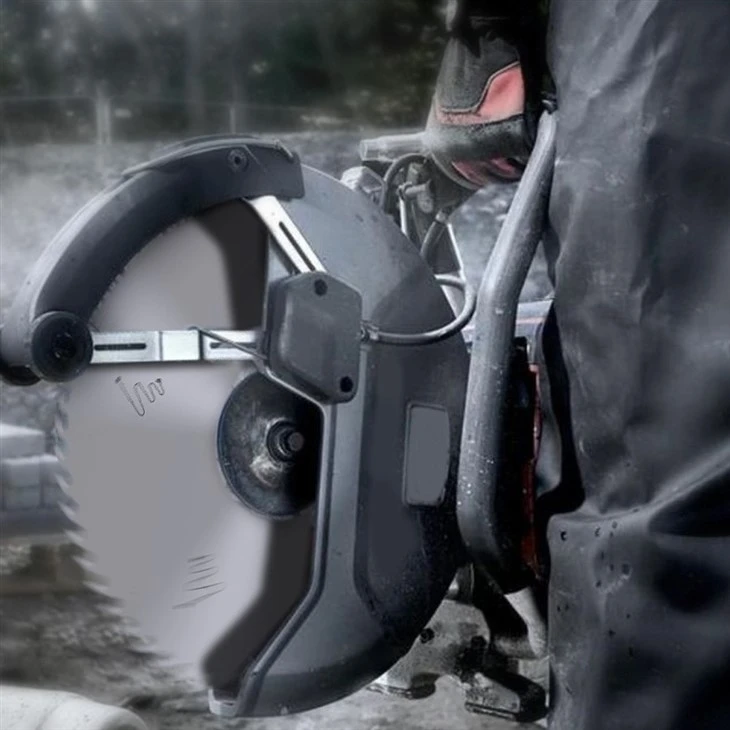
For larger or more demanding aluminum-cutting applications, the 10 Inch Aluminum Cutting Saw Blade can be considered based on the machine and cutting requirements.
The choice between dry and wet cutting should then be determined according to the blade design, equipment, material thickness, and manufacturer's recommended operating conditions.
Can Dry Cutting Be Used for Metal?
Yes, but only when the blade and machine are suitable for the application.
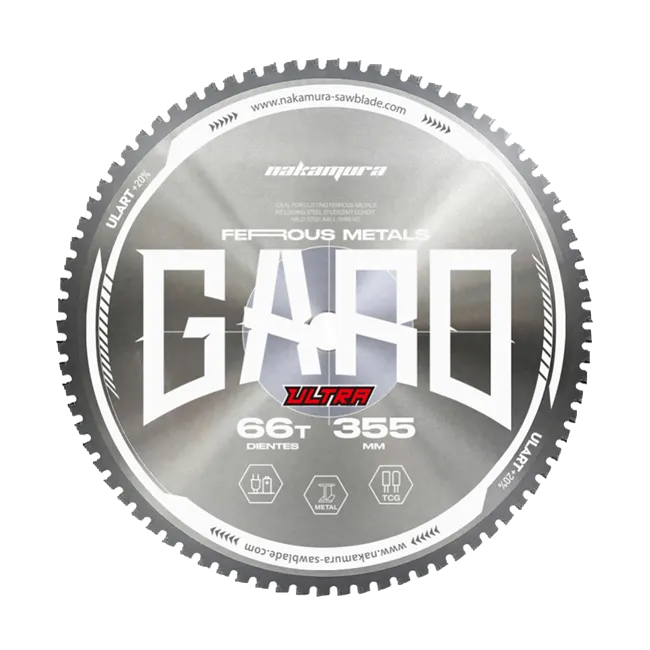
Dry cutting can be used for certain metal-cutting operations, particularly when the material thickness, cutting speed, blade design, and machine parameters are appropriate.
However, users should not assume that a blade designed for wet cutting can automatically be used without coolant. The same applies in reverse.
Using the wrong cutting method can increase heat, affect chip evacuation, increase burr formation, or shorten blade life.
Can Wet Cutting Be Used for Wood?
Wet cutting is technically possible in some specialized applications, but it is not normally necessary for standard wood cutting.
Woodworking applications generally benefit from a simple dry-cutting setup because adding liquid can create additional cleanup and material-handling requirements.
For wood, selecting the correct tooth geometry, tooth count, blade diameter, and cutting parameters is usually more important than adding coolant.
How Should You Choose?
Instead of asking whether dry cutting or wet cutting is universally better, consider these questions:
What material are you cutting?
What is the material thickness?
What blade is being used?
Is the blade designed for dry or wet cutting?
What RPM and feed rate does the machine use?
How important are cutting speed and surface finish?
Is coolant equipment practical for the working environment?
How will chips, heat, and coolant be managed?
These factors should be considered together rather than choosing a cutting method based on material name alone.
Final Thoughts
Dry and wet cutting each have their own advantages. Dry cutting offers a simpler setup and is widely used for wood and other suitable applications. Wet cutting can provide additional heat and chip management for certain metal-cutting operations.
The key is not simply choosing between "dry" and "wet," but matching the blade, material, machine, cutting parameters, and cooling method to the actual application.
A properly selected carbide saw blade, operated within the manufacturer's recommended parameters, can help achieve more consistent cutting performance and blade life.
If you are unsure which blade or cutting method is suitable for your application, providing the material, thickness, blade diameter, machine type, RPM, and required cutting result can help determine the appropriate configuration.