


When choosing a carbide saw blade, specifications such as diameter, tooth count, and arbor size all need to match the machine and cutting application. Among them, the arbor size is essential for ensuring that the blade is correctly mounted and runs stably.
What Is Arbor Size?
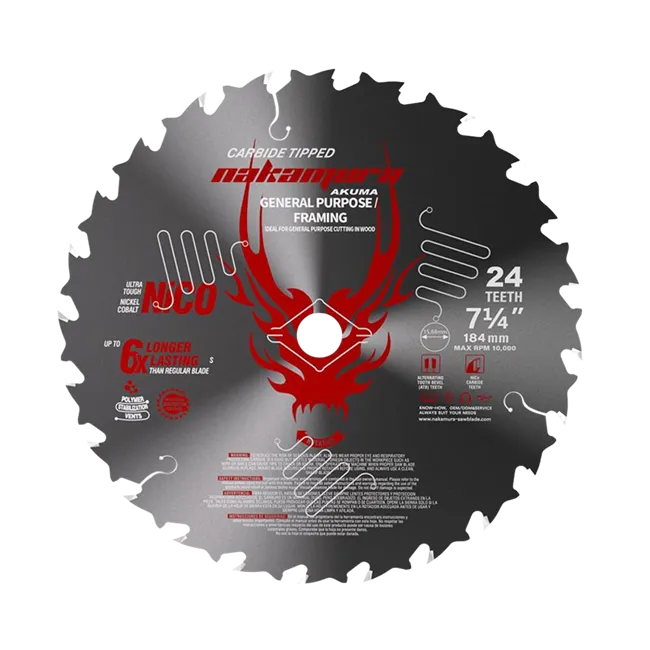
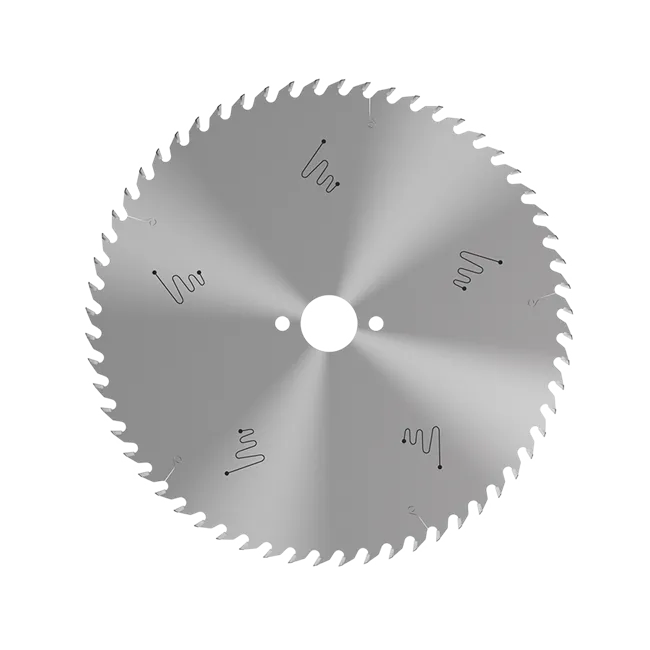
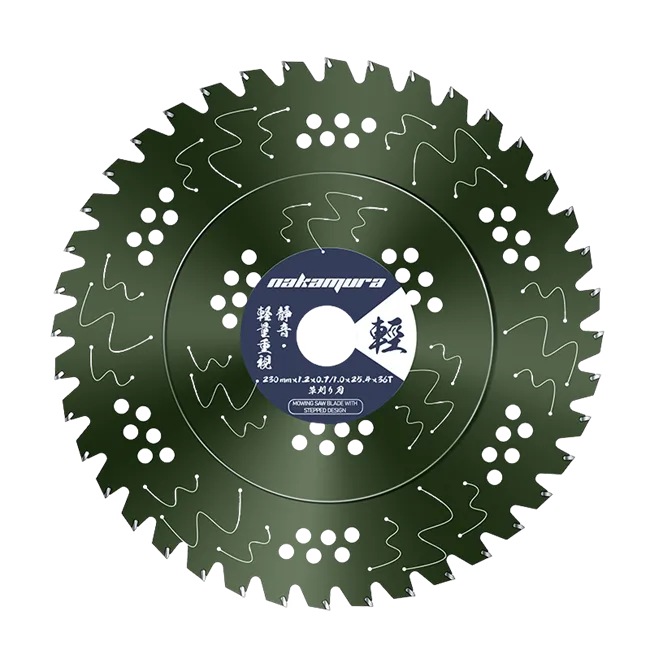
The arbor size, also called the bore size, refers to the diameter of the hole in the center of a circular saw blade. This hole fits over the arbor or spindle of the saw.
Arbor sizes vary depending on the blade and machine. Common sizes include 15.875 mm (5/8"), 20 mm, 25.4 mm (1"), 30 mm, and 50 mm, but many other specifications are also used for specialized equipment.
The blade diameter and arbor size serve different purposes. For example, an 185 mm blade describes the outside diameter of the blade, while a 20 mm arbor describes the diameter of its mounting hole.
Why Is Arbor Size Important?
A blade must be properly matched to the machine's arbor and mounting system. An incorrect fit can cause poor seating, excessive runout, instability, or other operating problems.
When selecting a replacement blade, check:
Blade diameter
Arbor/bore diameter
Tooth count and geometry
Maximum permitted RPM
Machine and application requirements
The arbor specification should be confirmed before ordering rather than assuming that blades of the same diameter will have the same bore.
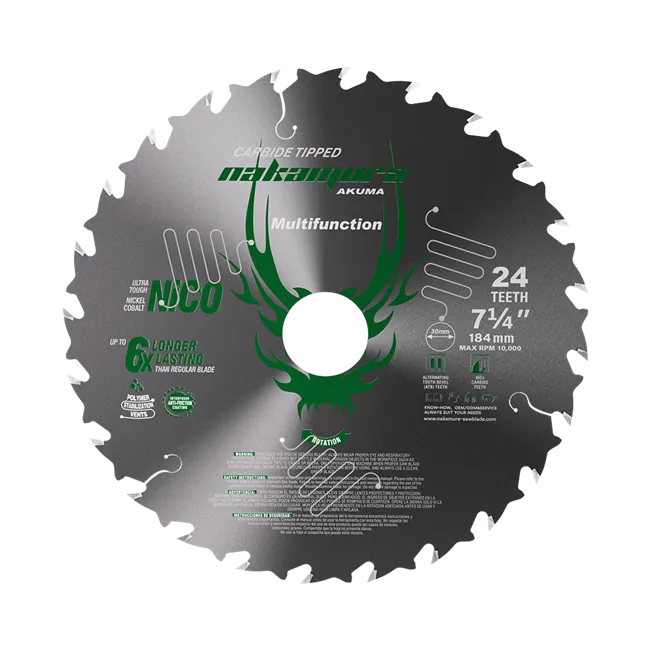
For example, 185mm Multipurpose Circular Saw Blade is a compact multipurpose blade, but its complete specification-including bore size-should be checked against the intended machine before use.
Can a Different Arbor Size Be Used?
Some saw blade and machine combinations allow the use of properly specified reducing rings or bushings. However, these should only be used when permitted by the blade and machine manufacturer and when the resulting mounting arrangement is suitable for the application.
Never improvise a mounting solution or use damaged or poorly fitting rings. The blade must be securely and accurately located on the machine spindle.
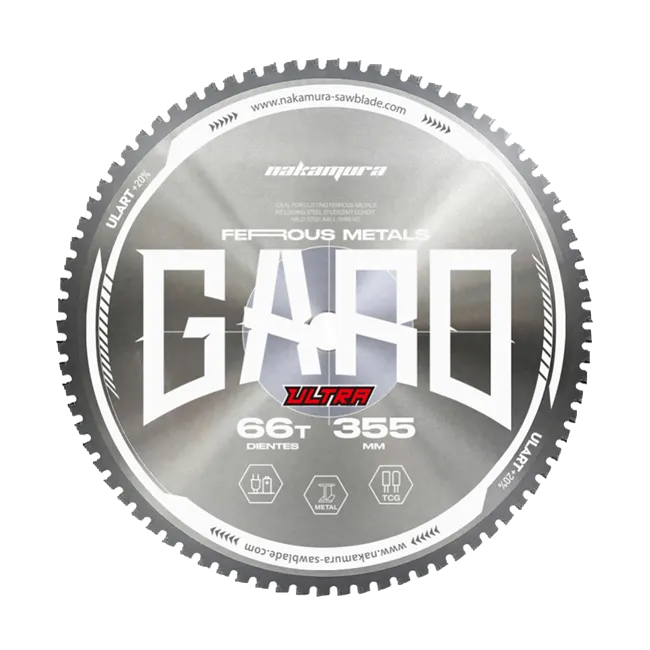
For larger industrial applications, mounting requirements can be significantly different. For example, 900mm Saw Blade For Aluminum requires its complete mounting specification to be matched with the appropriate aluminum-cutting equipment.
Arbor Size and Blade Application
Arbor size should not be considered separately from the rest of the blade specification. A larger blade does not automatically require a larger arbor, and a larger arbor does not by itself indicate better cutting performance.
The complete combination of blade diameter, bore, blade body, tooth geometry, tooth count, RPM, and machine configuration determines whether a blade is suitable for a particular application.
For versatile cutting applications, Multi Purpose Saw Blades are available in different specifications for different machines and materials.
How to Choose the Right Arbor Size
Before purchasing a carbide saw blade, check the machine manufacturer's specifications or the existing blade. If necessary, measure the bore accurately and confirm the required mounting arrangement.
For OEM or customized orders, buyers should provide the blade diameter, arbor/bore size, tooth count, material, machine model, and application. These details allow the blade specification to be matched more accurately to the actual cutting conditions.
Conclusion
Arbor size is a basic but critical specification when selecting a carbide saw blade. The correct bore ensures that the blade can be properly mounted and operated with the intended machine.
However, arbor size is only one part of blade selection. For reliable cutting performance, the blade's diameter, tooth design, RPM, material compatibility, and machine configuration should all be considered together.
Whether you are purchasing a standard blade or developing a customized specification, confirming the arbor size before ordering can help prevent compatibility problems and ensure a more stable cutting process.