

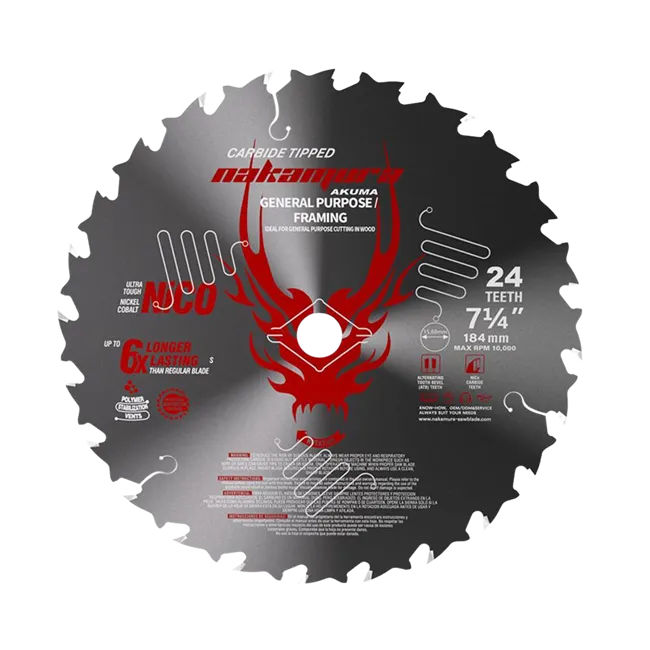
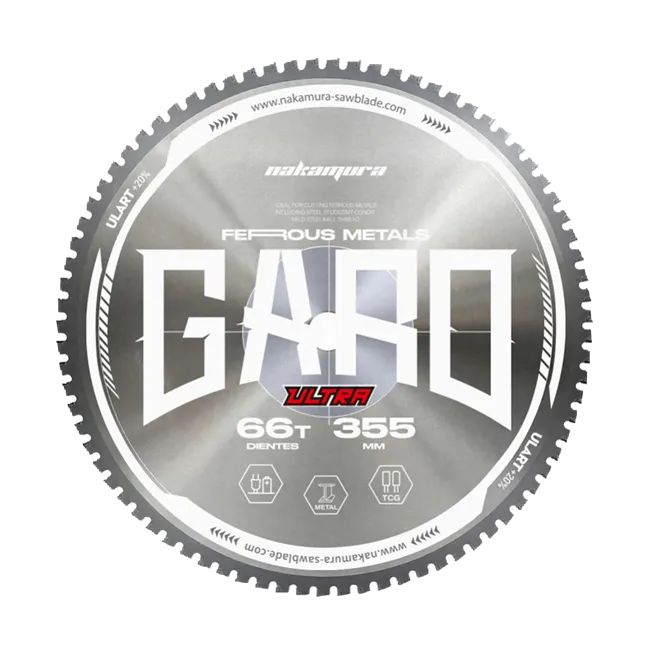
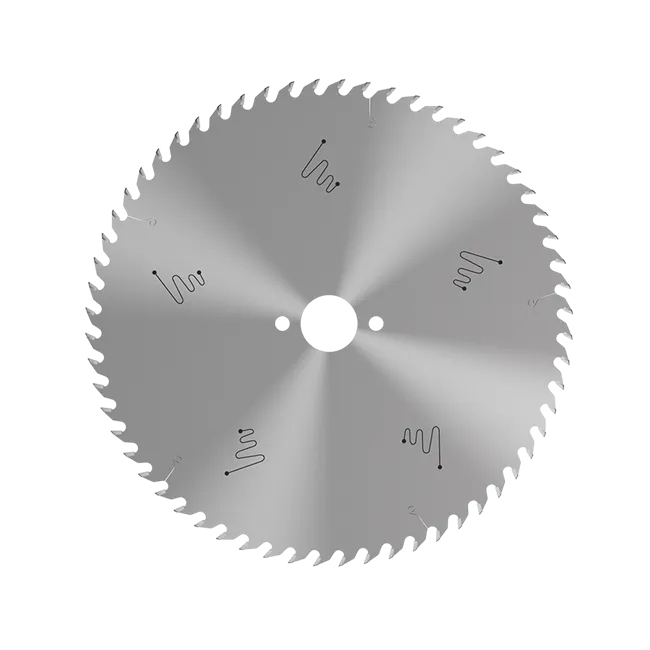
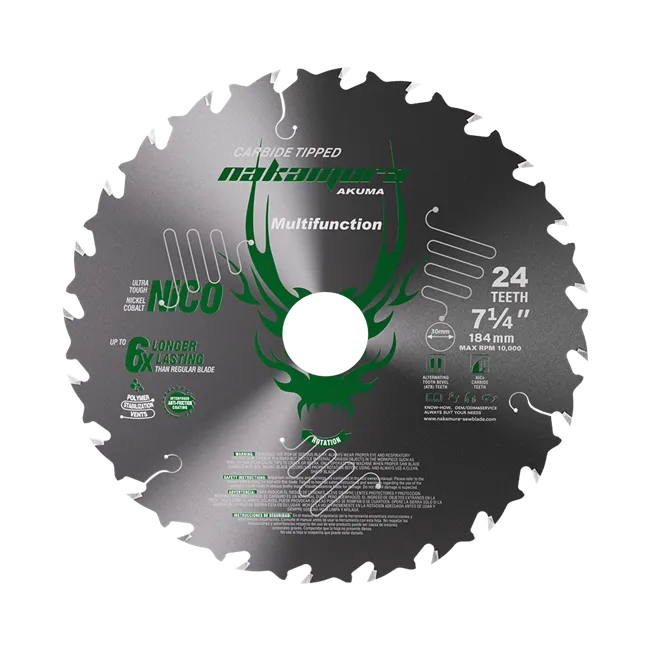

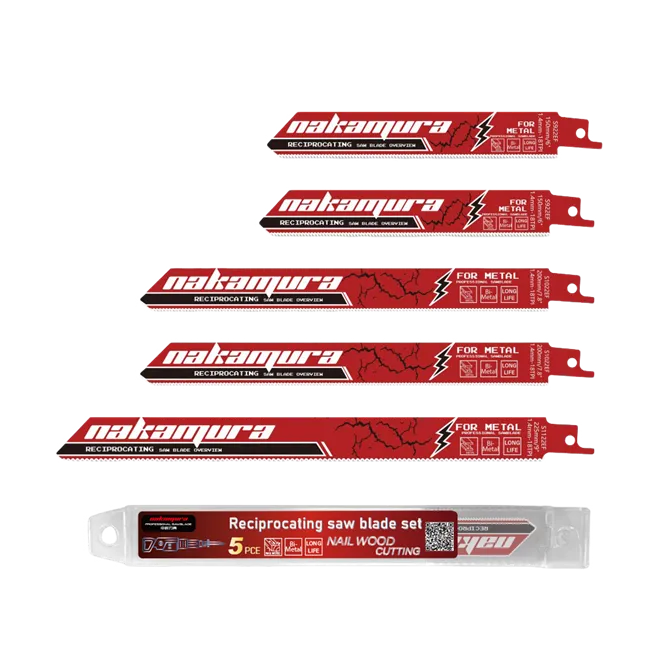

When it comes to woodworking, choosing the right saw blade can make all the difference in the finish of your project. With so many options on the market, it can be overwhelming to know which one to use. Hopefully, this guide will help you choose the best saw blade for your specific needs.

First off, consider the type of saw you will be using. Different saws require different blades. For example, a table saw blade will look and act differently than a circular saw blade. Make sure you are purchasing the right type of blade for your saw.
Next, think about the material you will be cutting. Will you be cutting through thick hardwood or thin plywood? The thickness and density of the material will dictate the type of blade you need. Blades come in a variety of teeth per inch (TPI) counts, and the higher the TPI, the finer the cut. A high TPI blade would be well-suited for plywood or molding, while a lower TPI blade would work better on thick, dense wood or even metal.

Another thing to keep in mind is the type of cut you need. Cross-cutting, ripping, and scroll-sawing all require different blades. A cross-cutting blade will have teeth arranged in a more alternating pattern to create a smoother finish. A ripping blade will have fewer teeth to better suit the thicker material. A scroll-saw blade will have a thinner profile and be able to make more intricate cuts.

Lastly, consider the quality of the blade. A high-quality blade will retain its sharpness for a longer period of time, and be less likely to warp or become damaged over time. While it may be tempting to choose a cheaper blade, investing in a higher-quality one will save you money in the long run by avoiding having to replace it frequently.