


1. Definition and Evolution of Ultra-Thin Saw Blades
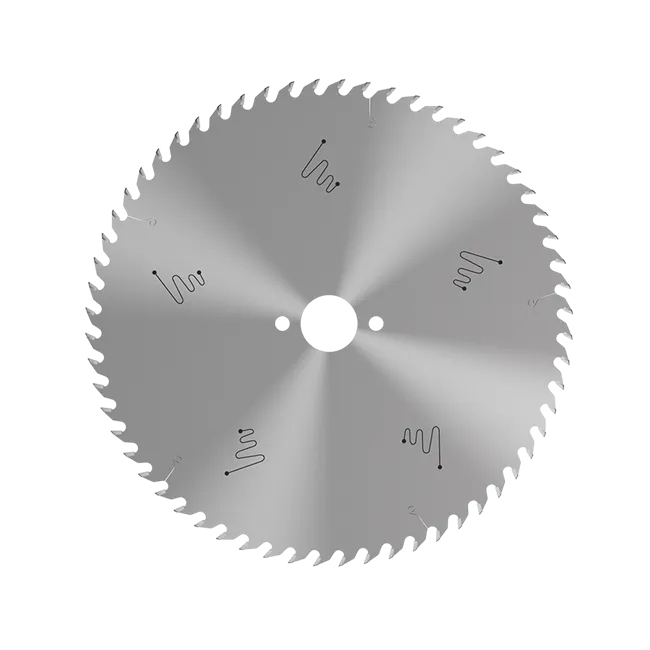
Ultra-thin saw blades feature kerfs (the width of the cut made by the blade) that are significantly narrower than those of conventional blades. The designation of "ultra-thin" is relative and must be evaluated in proportion to the blade's outer diameter. As manufacturing technologies advance, the benchmark for what qualifies as an ultra-thin blade continuously evolves. Consequently, blades classified as ultra-thin a decade or two ago-constrained by the manufacturing capabilities of their era-often no longer meet contemporary specifications. Driven by rapid technological progress, the definitions and performance requirements for ultra-thin saw blades are constantly being redefined.

2. Advantages of Ultra-Thin Saw Blades
- Raw Material Savings: Market feedback highlights a growing user preference for ultra-thin saw blades due to their tangible economic benefits. These blades drastically reduce material loss during the cutting process, thereby maximizing yield. This advantage is particularly pronounced when processing precious raw materials or exceptionally thin workpieces, where minimizing kerf waste directly correlates with higher output rates.
- Optimized Cutting Quality: Thin-kerf blades naturally generate lower cutting resistance. When paired with highly stable machinery and appropriate cutting parameters, they significantly mitigate chipping. This is highly effective when processing brittle materials like acrylic or Plexiglas, which is why many users specifically request ultra-thin blades for these applications.
- Fulfilling Specialized Requirements: In specific operations, such as precision grooving, engineering designs may strictly mandate a thin kerf to meet tight dimensional tolerances. Ultra-thin blades provide indispensable solutions for these complex engineering demands.

3. Risks and Considerations of Ultra-Thin Saw Blades
- Blade Deflection and Warping: Despite their advantages, ultra-thin blades require meticulous operational oversight. Because the blade body (plate) is inherently thin, inadequate workpiece clamping or excessively aggressive feed rates can induce lateral deflection, warping, or twisting of the blade during operation.
- Tooth Damage: Subjecting these blades to excessive feed rates also increases the likelihood of tooth deflection, misalignment, or edge chipping. Such damage severely compromises both the cutting quality and the overall service life of the blade.
In summary, while ultra-thin saw blades deliver substantial benefits, they necessitate precise operational control. Capitalizing on their strengths while actively mitigating their inherent vulnerabilities is crucial for maximizing production efficiency.
4. Market Landscape and Future Outlook
In the ultra-thin saw blade sector, premium imported brands currently dominate the market, earning acclaim for their exceptional quality. This superiority stems from exquisite manufacturing techniques, high-grade raw materials, and innovative design concepts. Conversely, many domestic manufacturers-often constrained by technological bottlenecks and cost limitations-opt to mass-produce standard conventional blades, avoiding the highly specialized ultra-thin segment. As a result, the market for thin-kerf saw blades remains predominantly represented by international brands.