





When it comes to cutting wood, choosing the right saw blade is essential for achieving clean and accurate cuts. But which saw blade is best for cutting wood? Here are some options to consider:
1. Circular Saw Blades
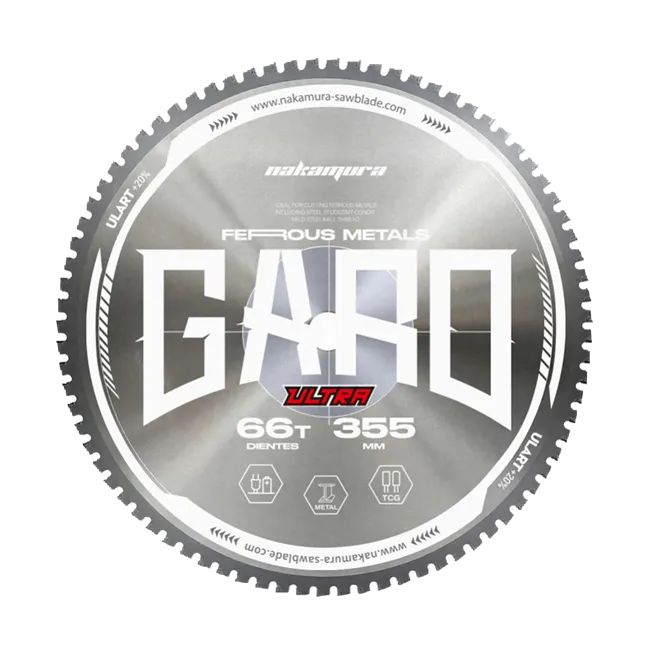
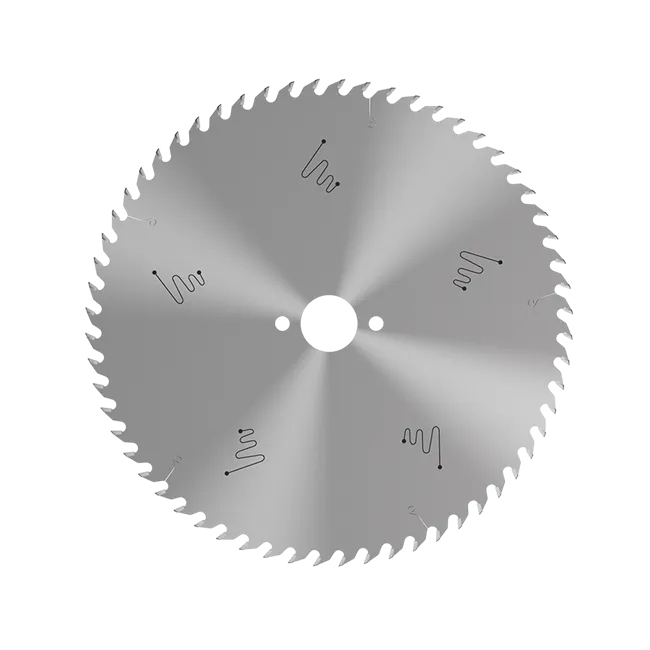
Circular saw blades are a popular choice for cutting wood because they are versatile and can be used on a variety of woodworking projects. These blades are available in many sizes and are commonly made from high-speed steel, carbide or diamond. Carbide blades are the most durable and long-lasting, making them a popular choice for professional woodworkers.
Circular saw blades come in a variety of types, including rip blades, cross-cut blades, combination blades, and fast-ripping blades. Rip blades are designed specifically for cutting along the grain of the wood, while cross-cut blades are best for cutting across the grain. Combination blades can be used for both types of cuts, but are not as effective as using a specialized blade for each task. Fast-ripping blades are designed to cut through wood quickly and are great for large projects.

2. Band Saw Blades
Band saw blades are another popular option for cutting wood. These blades are thin and flexible, making them ideal for cutting detailed curves and shapes. Band saw blades are typically made from carbon steel or bi-metal, with bi-metal blades being the more durable and long-lasting of the two.
Band saw blades come in many different widths, teeth-per-inch (TPI) and shapes. Choosing the right blade for your project depends on the thickness of the wood you will be cutting and the type of cut you need to make. A blade with fewer TPI will cut through wood faster, but may leave a rougher finish. A blade with more TPI will cut more slowly, but will leave a smoother finish.
3. Jigsaw Blades
Jigsaws are a versatile tool for cutting wood and other materials. Jigsaw blades are typically shorter and narrower than other saw blades, making them ideal for intricate cuts and curves. Jigsaw blades are available in a variety of materials, including high-speed steel, carbide, diamond, and bi-metal.

When choosing a saw blade, it's important to consider the blade's tooth count, as well as the tooth configuration. The teeth should be sharp and evenly spaced, and the gullets (the spaces between the teeth) should be deep enough to remove sawdust and other debris.
In addition to the type of blade, it's also important to choose the right size for your saw. The blade should be the correct diameter and arbor size for your saw, as well as the appropriate thickness for the material you're cutting.