



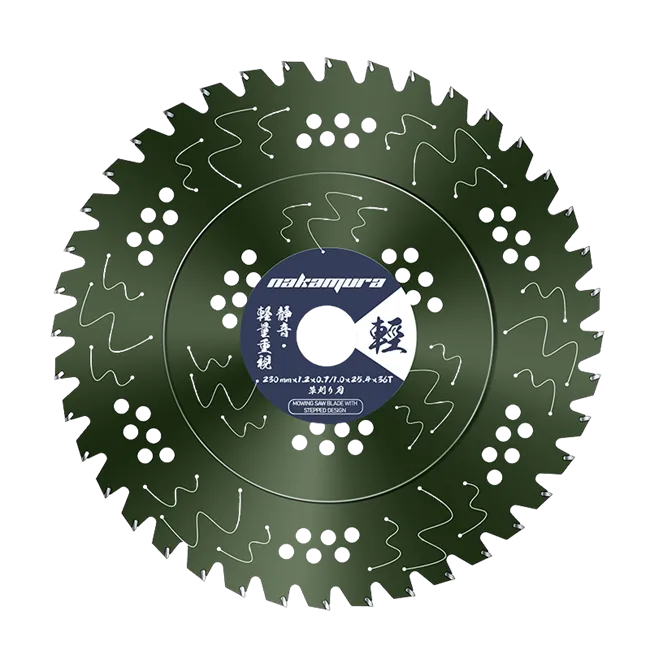
1. A Straight Blade Means a Smooth Cut
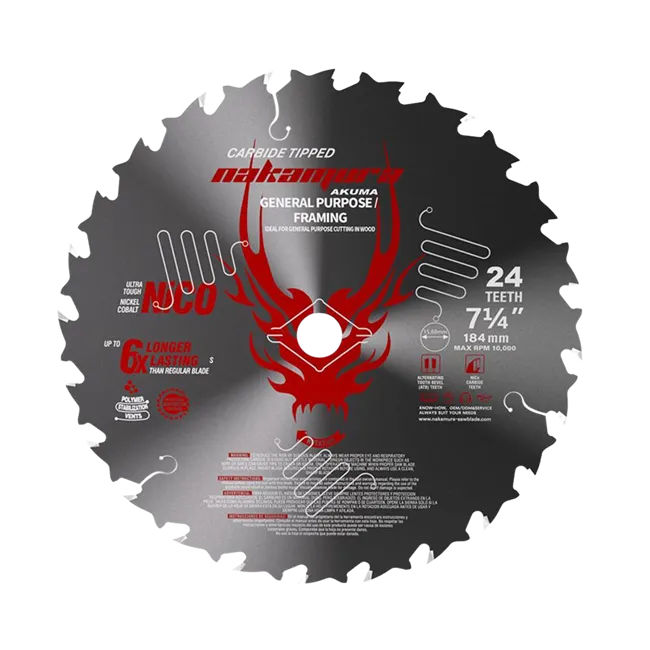
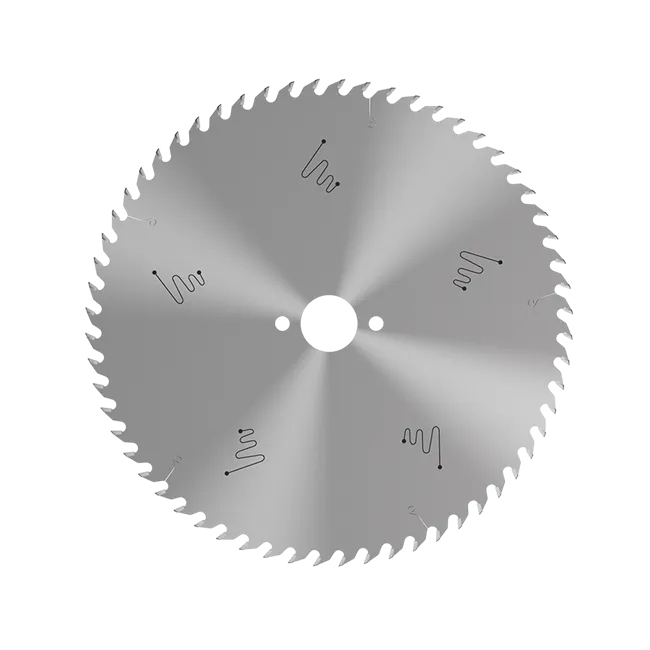
When circular blade is not in a flat and balance condition, it could shake with any minimal bent or damage. Think of a circular saw blade like a wheel on a car-if it's even a little bit bent or off balance, everything starts to shake. That's where leveling, or blade tensioning and flattening, comes in. It's like giving the blade a deep stretch and massage to make sure it stays true. When a blade spins at thousands of RPMs, even the tiniest wobble can ruin a cut-or worse, hurt someone. So getting that perfect flatness isn't just nice-it's absolutely critical.
2. Preventing Dangerous Vibration
Imagine you're using a saw and the blade starts to hum louder, shake more, and resist your every move. That vibration isn't just annoying-it's dangerous. A blade that hasn't been properly tensioned can vibrate violently, leading to poor precision, faster wear, or even cracking. Leveling gives the blade the right internal "tension"-so it stays steady and calm even under high speed and pressure. It's like tuning a guitar string to the perfect pitch-everything runs smoother.

3. Protecting the worker
Workers want gear they can trust. Properly flattened and tensioned blades reduce the chance of overheating, blade runout, or deflection, meaning fewer mistakes, fewer accidents, and better finishes. It helps workers focus on the craft-not on controlling a wild, misbehaving blade. That peace of mind can't be overstated.
4. Durability
With leveling, you're not just improving performance-you're giving the blade a longer, healthier life. Less vibration means less wear and tear. Less heat means fewer cracks and warping. That saves money on replacements, reduces downtime, and lets every blade reach its full potential. For a shop or factory, that's a big deal over time.
Extra case: Disabling Injury from Blade Vibration
A construction worker was using a handheld circular saw to cut plywood when he began noticing a subtle but persistent vibration in the tool. The saw-operating at high RPM-was wobbling slightly due to a slightly bent blade. Instead of stopping, he pushed through. Just moments later, the blade caught, spun violently, and forced the saw off course, causing it to kick back. His hand slipped forward, contacting the spinning blade and resulting in deep lacerations to his fingers. This is a typical scenario where a bent blade leads to loss of control and severe hand injury