


When choosing a carbide saw blade, it is important to match the blade to the material being cut. But what if the material contains asbestos? Can a standard carbide-tipped circular saw blade handle the job safely?
The answer is simple: a general-purpose carbide saw blade should not be treated as a suitable tool for cutting asbestos-containing materials (ACM). The main concern is not simply blade durability or cutting performance. It is the risk of releasing hazardous asbestos fibers into the air.
1. Why Is Cutting Asbestos Dangerous?
Asbestos is a group of naturally occurring minerals that was historically used in building materials such as insulation, roofing, floor tiles, and cement products.
The danger occurs when asbestos-containing materials are disturbed. Activities such as sawing, drilling, sanding, or breaking can release microscopic fibers that may be inhaled. Exposure can cause serious diseases, including mesothelioma and lung cancer.
The fibers cannot be reliably identified by sight or smell. If you suspect a material contains asbestos, do not cut or disturb it. Have it assessed by a qualified asbestos professional.
The US Environmental Protection Agency specifically advises homeowners not to saw, sand, scrape, or drill suspected asbestos-containing materials. <Link url="https://www.epa.gov/asbestos/protect-your-family-exposures-asbestos" title="EPA asbestos safety guidance"/>.
2. Is a Carbide-Tipped Saw Blade Suitable for Asbestos?
Carbide-tipped saw blades are widely used for cutting wood, aluminum, plastic, and other materials. Their carbide teeth offer hardness and wear resistance for applications they are designed for.
However, this does not mean that a standard TCT or multipurpose blade is suitable for asbestos-containing materials.
A blade's tooth count, carbide grade, or coating cannot by itself guarantee safe asbestos removal or prevent fiber release. Choosing a blade based only on cutting performance overlooks the most important issue: controlling exposure.
For this reason, Nakamura does not recommend its standard woodworking, aluminum-cutting, or multipurpose circular saw blades for cutting asbestos-containing materials.
3. What Should You Do If a Project Involves Asbestos?
Asbestos-related work must follow the regulations and approved work practices applicable to the location and type of material.
Before any work begins:
Do not cut, drill, grind, or break suspected asbestos-containing materials.
Arrange an assessment by a qualified asbestos professional.
Follow the applicable local requirements for inspection, removal, containment, worker protection, and waste disposal.
Do not assume that ordinary dust masks, household vacuum cleaners, or basic protective equipment provide adequate protection.
In the United States, OSHA's asbestos construction standard specifies work practices and engineering controls for different categories of asbestos work. These requirements cannot be replaced by simply selecting a particular saw blade. <Link url="https://www.osha.gov/laws-regs/regulations/standardnumber/1926/1926.1101" title="OSHA asbestos construction standard"/>.
4. Choosing Saw Blades for Other Materials on the Same Project
Although standard carbide saw blades should not be used for cutting asbestos-containing materials, construction and renovation projects may also involve separate, non-asbestos materials.
For these applications, Nakamura offers several blade options:
Circular Saw Blade to Cut Aluminium: Designed for aluminum and selected non-ferrous metal cutting applications.
Multi Blade Circular Saw 147mm: A 147mm, 40T multipurpose blade with ATB(BC) teeth and Teflon coating, designed for selected wood, aluminum, metal, and plastic applications.
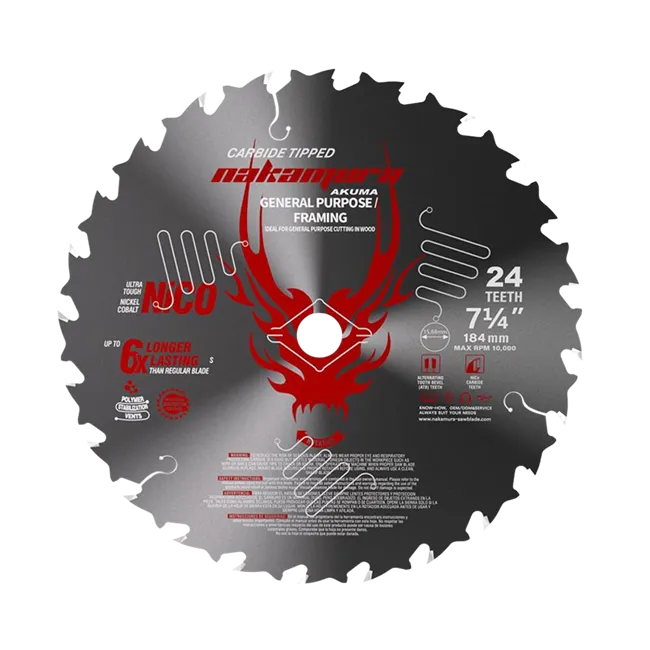
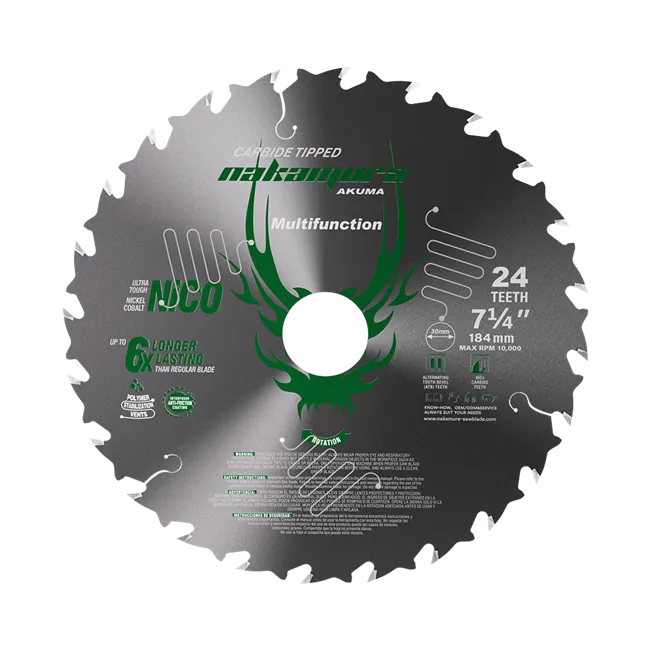
Multi Purpose Chop Saw Blade: A multipurpose blade with a 184mm, 24T standard specification, designed for wood, aluminum, plastic, and selected light-metal applications.


These products are intended only for their specified non-asbestos applications. They must never be presented as asbestos-cutting solutions.
Final Thoughts
Can a carbide saw blade be used to cut asbestos? A standard carbide-tipped saw blade should not be considered a safe or approved solution for this work.
When asbestos is suspected, the priority should always be professional assessment and compliance with local safety regulations-not finding a blade with a higher tooth count or longer cutting life.
At Nakamura, we manufacture TCT, PCD, aluminum-cutting, and multipurpose circular saw blades for a range of industrial and woodworking applications. Our team can help customers select suitable blades for materials and applications within the products' intended specifications.
The right tool matters, but knowing when not to use a tool matters just as much.