






Why Carbide-Tipped Blades Can Cut Plastic
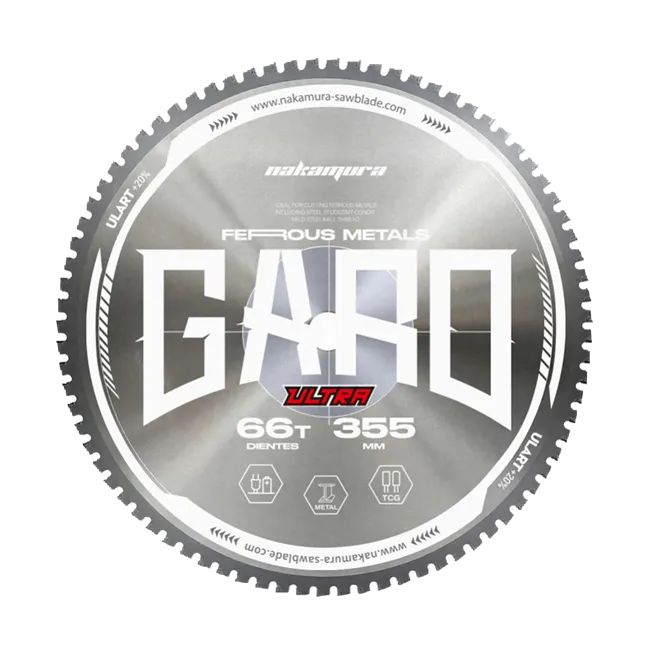
A carbide-tipped saw blade, also known as a TCT saw blade, uses tungsten carbide tips brazed onto a steel blade body. Compared with standard steel teeth, carbide tips offer better wear resistance, longer edge life, and more stable cutting performance.This makes carbide-tipped blades suitable for many non-metallic materials, including wood, MDF, laminates, plastics, and selected composite panels. However, plastic cutting requires more heat control than wood cutting. If the blade is too aggressive, too dull, or poorly matched to the material, the plastic may melt, chip, crack, or stick to the teeth.For customers who need a blade for general multi-material cutting, Nakamura offers Multi Purpose Saw Blades, designed for applications such as wood, aluminum, plastic, and other light multi-material cutting jobs.

Different Plastics Require Different Cutting Methods
1. Soft and Flexible Plastics: PVC, PE, PP
Materials such as PVC, polyethylene, and polypropylene are relatively soft and flexible. They can usually be cut with a sharp carbide-tipped blade, but heat build-up must be controlled. If the blade rubs instead of cutting cleanly, the material may soften, melt, or stick to the tooth tips.For these materials, use a sharp blade, stable feed pressure, and efficient chip removal. Avoid staying too long in one spot during the cut. In production cutting, air cooling and dust extraction can help reduce heat and prevent chip build-up.2. Hard Sheet Plastics: ABS, Acrylic, Polycarbonate
ABS, acrylic, and polycarbonate often require cleaner edges and better support during cutting. Acrylic is more prone to chipping and cracking, especially when the blade is too coarse or the sheet is not supported properly. Polycarbonate is tougher and more impact-resistant, but it can still melt or leave rough edges if the cutting conditions are wrong.For these sheet materials, a carbide-tipped blade with a higher tooth count and a TCG or M-TCG tooth geometry is usually a better choice. This type of tooth design helps distribute cutting pressure more evenly and reduces the risk of edge chipping. A zero or slightly negative hook angle can also improve control when cutting brittle or hard plastics.3. GRP, FRP, Thermoset Plastics and Composite Panels
When cutting glass-reinforced plastic, fiber-reinforced plastic, thermoset plastic, or abrasive composite panels, wear resistance becomes more important. These materials can dull standard TCT teeth much faster than ordinary plastic sheets.For these applications, PCD blades may be a better solution. PCD tips offer excellent abrasion resistance and are often used for fiber cement board, GRP, composite panels, and other demanding materials. For this type of cutting requirement, you can refer to the Nakamura PCD Cutting Blade.
How to Choose the Right Saw Blade for Plastic
When selecting a carbide-tipped saw blade for plastic, focus on these key points:1. First, choose the correct tooth geometry. For plastic sheets and profiles, TCG or modified TCG teeth are often more suitable than aggressive wood-cutting teeth. Coarse framing blades may cut quickly, but they can also create chipping, vibration, and rough edges.2. Second, match the tooth count to the material thickness and blade diameter. More teeth can improve the finish, but too many teeth combined with slow feed can increase friction and heat. The goal is to create clean chips and remove them quickly from the cut.3. Third, consider the hook angle. A very aggressive positive hook angle may grab the plastic too strongly, especially on brittle sheet materials. A zero or slightly negative hook angle can provide better control and reduce edge damage.4. Fourth, keep the blade sharp and clean. A dull blade generates more friction, more heat, and more burrs. In production cutting, regular blade inspection and cleaning are necessary to maintain stable cut quality.For customers who need a blade for chop saw or jobsite multi-material cutting, Nakamura also provides the Multipurpose Chop Saw Blade, which is suitable for multiple materials including steel, aluminum, wood, and plastic depending on the cutting setup.
