





In woodworking, renovation, and construction jobs, rough cutting is one of the most common cutting tasks. Workers often need to cut framing lumber, OSB board, plywood, MDF, construction timber, or engineered wood quickly before further trimming, assembly, or finishing.
So, can a circular saw blade be used for rough cuts? Yes - but only when the blade is correctly matched to the material, machine, tooth count, and cutting purpose.
What Does "Rough Cut" Really Mean?
A rough cut does not mean careless or unsafe cutting. In professional woodworking and construction, rough cutting usually means cutting material quickly to an approximate size.
It is commonly used for:
- Framing lumber cutting;
- OSB and plywood sizing;
- Construction timber preparation;
- Jobsite wood cutting;
- Pre-cutting before trimming, sanding, or final assembly.
For rough cuts, the priority is not a furniture-grade edge. The real priorities are fast cutting speed, smooth chip removal, stable blade performance, and reduced binding.
Which Circular Saw Blade Is Best for Rough Wood Cutting?
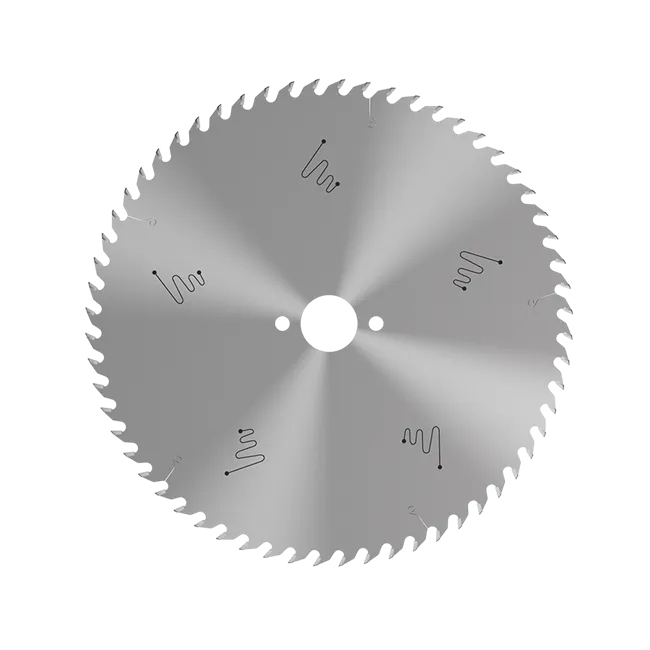
For rough cutting wood, a low-to-medium tooth count TCT circular saw blade is usually the better choice. For common 184mm or 7-1/4 inch circular saw blades, 24T is one of the most popular tooth counts for fast jobsite cutting.
A lower tooth count creates larger gullets between the teeth. These gullets help remove chips quickly, reduce heat buildup, and make the blade more efficient when cutting thick wood, OSB, MDF, plywood, and construction timber.
For example, the NAKAMURA 184mm 24T Hardwood Saw Blade is suitable for fast hardwood cutting, construction timber sizing, OSB cutting, MDF cutting, engineered wood, and general jobsite wood cutting. Its 24-tooth design focuses on cutting speed and chip removal, making it a practical choice for rough wood cutting applications.

Rough Cut Blade vs. Fine Finish Blade
A rough cut blade usually has fewer teeth, larger gullets, and a faster feed rate. It is suitable for framing lumber, solid wood, OSB, MDF, plywood, and general construction wood.
A fine finish blade usually has more teeth, such as 40T, 60T, or higher. It produces a smoother edge with less tear-out, making it more suitable for veneered plywood, melamine board, laminate panels, furniture panels, and visible finished surfaces.
In simple terms:
- 24T is better for fast rough cutting and jobsite wood sizing.
- 40T offers a balance between speed and cut quality.
- 60T is better for fine finish cuts, panels, and furniture-grade applications.
If the job is framing or rough wood sizing, a 24T blade is usually more efficient. If the job involves visible panels or decorative boards, a higher tooth count blade is the better choice.
Can Circular Saw Blades Be Used for Rough Metal Cutting?
Yes, but not with a wood cutting blade.
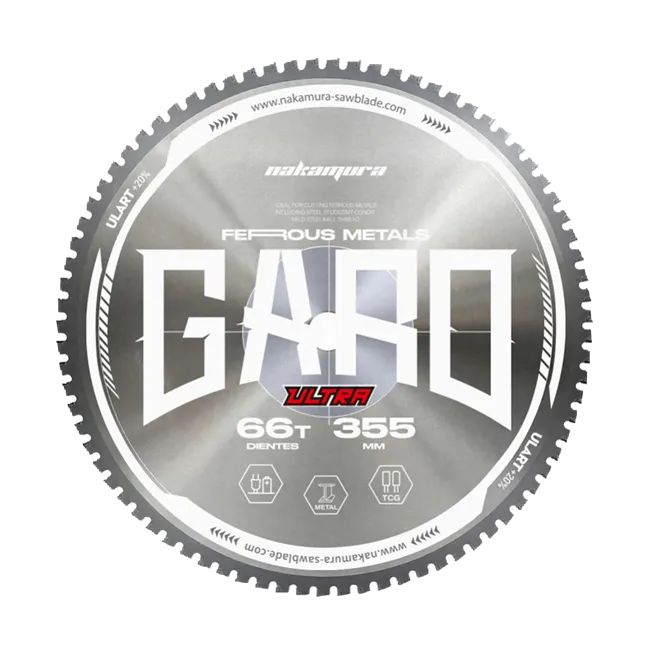
Metal cutting requires a dedicated metal cutting circular saw blade, proper machine compatibility, suitable speed, stable clamping, and the right tooth material. Wood cutting blades are designed for cutting wood fibers, while metal cutting blades need higher heat resistance, stronger tooth tips, and a different cutting geometry.
For steel pipe, angle steel, metal profiles, stainless steel, and similar materials, choose a dedicated Metal Cutting Circular Blade. This type of blade is designed for metal cutting applications and helps improve cutting stability while reducing burrs, sparks, and overheating.
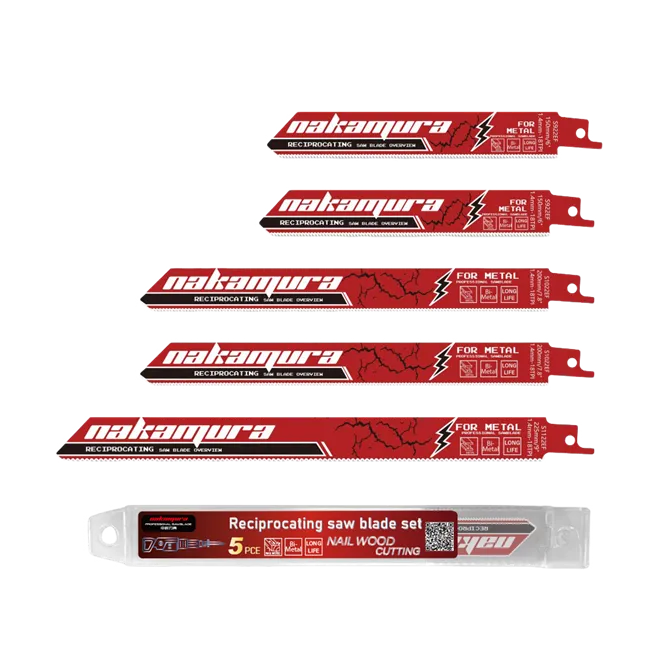
Do not confuse wood circular saw blades, metal cutting blades, and weed trimmer blades. They are designed for different machines, different mounting systems, different RPM ranges, and different safety conditions.
What About Mixed-Material Jobsite Cutting?
In renovation and construction work, users may need to cut different materials on the same jobsite, such as wood, plastic, composite boards, light metals, and construction materials. In this situation, changing blades too frequently can reduce efficiency.
For these mixed jobsite conditions, Multi Purpose Saw Blades can be a practical option. They are designed for users who need fewer blade changes, stable cutting performance, and flexible application across different jobsite materials.
However, a multi-purpose blade does not mean one blade can cut everything. For thick steel, stainless steel, stone, fiber cement, or highly abrasive materials, a dedicated blade should still be selected.

Key Factors When Choosing a Circular Saw Blade for Rough Cuts
First, consider the material. Use a wood TCT blade for wood, a metal cutting blade for steel or metal profiles, and a PCD or diamond blade for abrasive materials such as fiber cement or engineered boards with high wear.
Second, consider the tooth count. Lower tooth counts are better for fast rough cutting, while higher tooth counts are better for smooth finish cuts.
Third, consider the tooth geometry. Wood rough cutting may use ATB or jobsite-friendly tooth designs, while metal cutting requires a different geometry and tooth material.
Fourth, check blade specifications. Diameter, arbor size, kerf, plate thickness, and maximum RPM must match the saw.
Fifth, set the cutting depth correctly. For rough cuts, the blade should only extend slightly below the workpiece. Setting the blade too deep increases resistance and safety risk.

How to Improve Rough Cut Performance
Even when rough cutting, correct operation can improve cutting quality and blade life.
- Use a sharp and undamaged blade.
- Allow the blade to reach full speed before entering the material.
- Feed steadily and avoid forcing the saw.
- Support the workpiece properly to prevent pinching.
- Reduce feed speed when cutting wet wood, knots, or thick lumber.
- Clean resin, dust, and buildup from the blade regularly.
If the blade begins to burn the wood, cut slowly, make unusual noise, or require extra force, the blade may be dull, clogged, poorly matched to the material, or incorrectly operated.
Safety Notes
Rough cutting is fast and efficient, but it also creates higher cutting load. Before use, check the blade for cracks, missing teeth, bending, or abnormal wear. Confirm the blade direction, arbor size, blade diameter, and maximum RPM. Make sure the saw guard works properly and returns automatically.
Wear eye protection, hearing protection, and suitable dust protection. Never remove the machine guard. Never use a damaged blade. Never use a blade on materials it was not designed to cut.
Conclusion
Circular saw blades can definitely be used for rough cuts, but the professional approach is not to use any blade on any material. The right blade must match the material, machine, tooth count, tooth geometry, and cutting purpose.
For framing lumber, OSB, MDF, plywood, engineered wood, and general construction wood, a 24T TCT wood circular saw blade is usually an efficient choice.
For mixed jobsite materials, a multi-purpose circular saw blade can help reduce blade changes.
For steel, stainless steel, and metal profiles, a dedicated metal cutting circular saw blade must be used.
For distributors, tool brands, contractors, and professional buyers, choosing the right rough cutting blade can improve cutting speed, reduce downtime, lower blade consumption, and create a better user experience.