



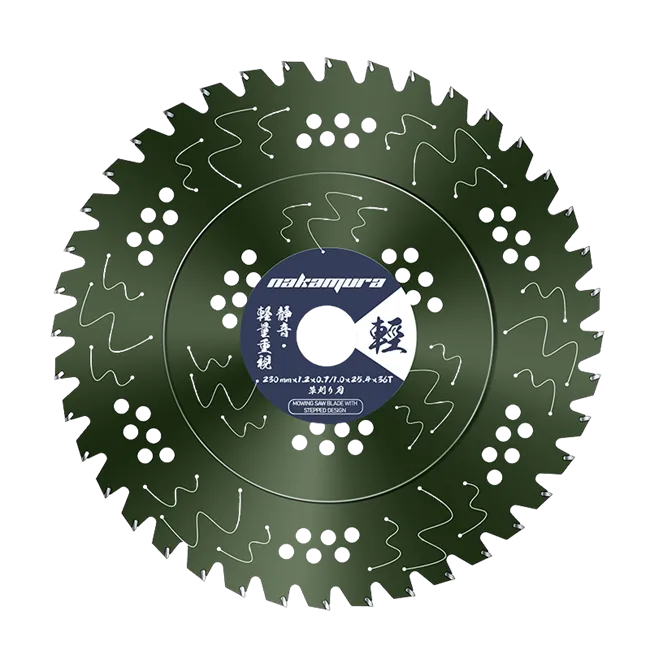
Carbide circular saw blades are widely used for cutting wood, engineered panels, aluminum, steel, and composite materials. For factories, distributors, contractors, and professional workshops, blade overheating is more than a small inconvenience. It can shorten blade life, increase burrs, cause burning marks, reduce cutting accuracy, deform the blade body, and even lead to tooth chipping.
Overheating is rarely caused by one single factor. In most cases, it is the result of poor blade selection, incorrect cutting speed, improper feed rate, poor chip evacuation, resin build-up, dull teeth, unstable clamping, or machine vibration. Understanding these factors is the key to extending blade life and improving cutting performance.
Why Does a Carbide Circular Saw Blade Overheat?
1. The Blade Does Not Match the Material
Different materials require different tooth geometry, tooth count, carbide grade, kerf design, and blade body structure. A blade designed for wood cutting should not be used for steel cutting. A fine-finish blade with too many teeth may also overheat when it is forced through thick timber or construction lumber too quickly.
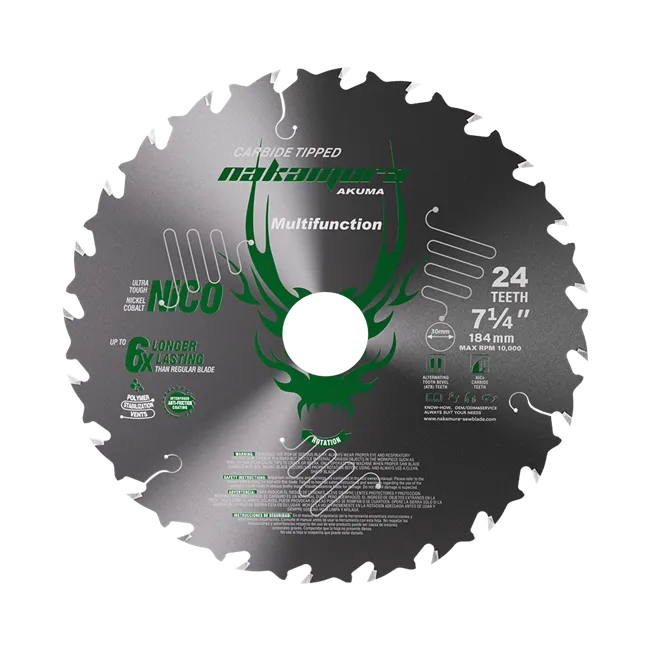
For fast cutting in hardwood, OSB, MDF, engineered wood, and construction timber, the Customized 184mm 24T Hardwood Saw Blade is a practical choice. Its 24T design is suitable for ripping, sizing cuts, and jobsite wood cutting, while the thin kerf helps reduce cutting resistance and motor load.
2. Cutting Speed and Feed Rate Are Not Balanced
A circular saw blade does not perform better simply because it runs faster. If the cutting speed is too high, excessive friction can concentrate heat around the tooth tips and cutting zone. If the feed rate is too slow, the blade may rub the material instead of producing proper chips, which can also cause burning and overheating.
The correct setting depends on the blade diameter, tooth count, machine power, workpiece material, and desired cut quality. In wood cutting, the blade should feed smoothly and produce consistent chips. In metal cutting, cutting speed, feed pressure, cooling, and chip evacuation must be controlled more carefully.
3. The Blade Is Dull or Dirty
A dull carbide blade requires more force to cut through the material. This increases friction, noise, vibration, and heat. However, a blade does not have to be completely dull to perform poorly. In wood cutting, resin, glue, pitch, and dust can build up on the blade body and teeth. This build-up increases drag and may create the same symptoms as a dull blade, including burning marks, smoke, rough edges, and higher cutting resistance.
Regular cleaning is therefore an important part of blade maintenance, especially when cutting MDF, OSB, plywood, laminated panels, or resin-rich wood.
4. Chips Are Not Removed Efficiently
During cutting, the gullets between the teeth must carry chips out of the cut. If the gullets are too small, the tooth count is too high, the material is too thick, or the feed is not controlled properly, chips can stay inside the kerf. This causes the teeth to rub against both the material and the trapped chips, quickly increasing heat.
For fast wood cutting, a lower tooth count and deeper gullets usually provide better chip removal. For fine cutting or laminated panels, the feed rate should be more controlled to avoid burning and edge damage.
5. The Machine or Setup Is Unstable
Sometimes overheating is not caused by the blade itself. Worn bearings, spindle runout, dirty flanges, incorrect blade installation, poor clamping, or unstable material support can all create side friction and vibration.
If the blade produces unusual noise, uneven kerf width, side marks, blue heat discoloration, or uneven tooth wear, the machine and setup should be inspected before continuing production.

How to Avoid Overheating a Carbide Circular Saw Blade
1. Choose the Correct Blade for the Application
Blade selection is the first and most important step. Wood, aluminum, steel, stainless steel, fiber cement, and composite materials all require different cutting solutions.
For fast wood cutting, choose a TCT blade with the right tooth count, sharp carbide tips, good chip clearance, and a suitable kerf. For laminated panels and fine-finish cutting, use a higher tooth count blade. For metal cutting, use a dedicated metal cutting blade or a cermet tipped cold cutting blade.
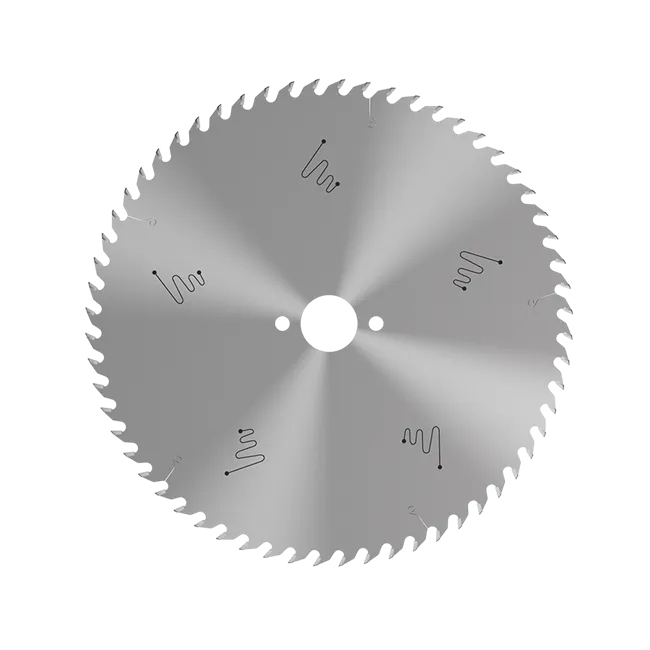
For general wood cutting, softwood, hardwood, plywood, and composite panels, the Wood Cutting Circular Saw Blade is designed with a thin kerf, Teflon non-stick coating, and stable blade body structure to reduce cutting resistance, resin adhesion, and burning problems.
2. Use a Stable and Proper Feed Rate
Do not force the material through the blade. Let the blade cut smoothly. Feeding too fast can overload the motor, increase tooth impact, and cause vibration. Feeding too slowly can make the blade rub instead of cut, creating heat and burning marks.
A proper feed rate can be judged by three signs:
- The chips are removed smoothly;
- The motor sound remains stable;
- The cut edge does not show burning marks, smoke, or excessive burrs.
If the blade starts to smoke, burn the edge, or require noticeably more pushing force, stop cutting and check the blade sharpness, feed rate, material support, chip evacuation, and machine condition.
3. Keep the Blade Sharp and Clean
Inspect the blade regularly. For wood cutting blades, remove resin, glue, and dust build-up before it affects performance. For metal cutting blades, check whether the tips are chipped, rounded, cracked, or discolored by heat.
If the carbide tips still have enough material, professional resharpening can restore cutting performance. If the teeth are badly damaged or the blade body is warped, replacement is the safer option.
4. Improve Cooling and Chip Evacuation
For wood cutting, the main focus should be blade cleanliness, chip evacuation, dust extraction, and proper feeding. Do not randomly spray liquid coolant onto handheld circular saws or wood cutting applications.
For metal cutting, cooling depends on the machine and blade type. Cold saws may use coolant or micro-lubrication systems. Some dry-cut metal saws may use compressed air to help remove chips and reduce heat at the cutting zone.
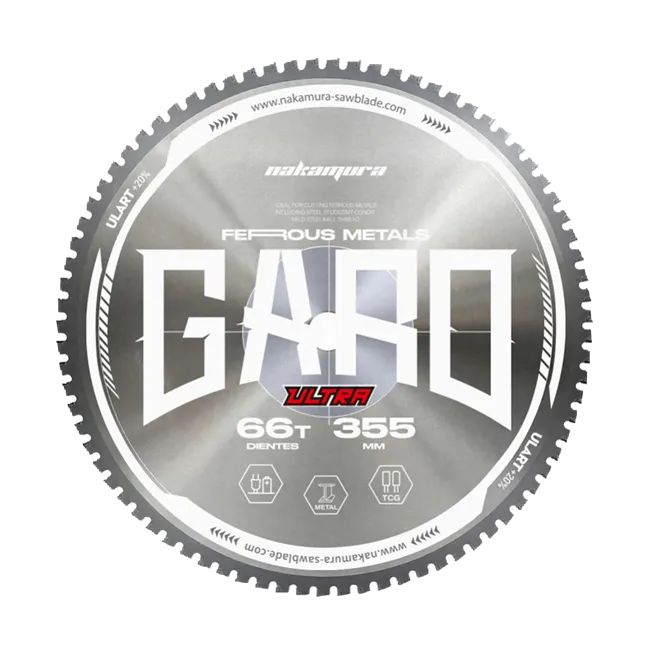
For cutting steel pipes, angle steel, square tubes, and metal profiles, the Ultra-Quiet Metal Cutting Blade For Radial Arm Saw is a cermet tipped metal cutting blade designed for better heat resistance, wear resistance, low vibration, and cleaner metal cuts.
5. Check the Machine and Installation
Before cutting, make sure the bore size matches the machine, the flange is clean, the blade is installed in the correct direction, and the locking system is secure. The material should also be firmly supported to prevent movement during cutting.
For industrial or batch cutting, check the spindle, bearings, flanges, guide system, and clamping condition regularly. Even a high-quality carbide circular saw blade can overheat if the machine produces excessive runout or vibration.

Common Signs of Blade Overheating
A carbide circular saw blade may be overheating if you notice:
- Burn marks on the cut edge;
- Smoke or a strong burning smell;
- Blue or purple heat marks on the blade body;
- A sudden increase in cutting resistance;
- More burrs or rougher cut edges;
- Higher vibration and noise;
- Chipped, rounded, or unevenly worn teeth.
When these symptoms appear, do not continue forcing the cut. Stop the machine, inspect the blade and setup, and decide whether the blade needs cleaning, resharpening, or replacement.
Conclusion
Preventing carbide circular saw blade overheating is not only about lowering the speed or adding coolant. A professional solution requires the correct blade, proper cutting speed, balanced feed rate, clean and sharp teeth, efficient chip evacuation, and a stable machine setup.
For B2B buyers, distributors, and factories, working with a reliable saw blade supplier is equally important. Nakamura provides wood cutting saw blades, metal cutting saw blades, carbide tipped circular saw blades, and OEM/ODM customization services for different materials, machines, and cutting applications. With the right blade and correct operating method, users can achieve longer blade life, smoother cutting, and more stable production efficiency.