




When buyers compare circular saw blades, price is often the first thing they notice. A premium blade may cost several times more than a basic one, so it is natural to ask: are expensive circular saw blades always better?
The simple answer is: not always.
A higher-priced blade may offer better materials, more precise tooth grinding, improved balance, longer cutting life, and smoother performance. However, the best circular saw blade is not always the most expensive one. The best blade is the one that matches your saw, your material, your cutting direction, and your required finish quality.
What Makes a Circular Saw Blade More Expensive?
A circular saw blade usually becomes more expensive because of several technical factors.
1. Better Carbide Tips
High-quality TCT circular saw blades use tungsten carbide tipped teeth. Compared with ordinary steel teeth, carbide tips offer better wear resistance and longer edge life. This is especially important when cutting hardwood, plywood, OSB, MDF, laminated timber, or construction wood for long periods.
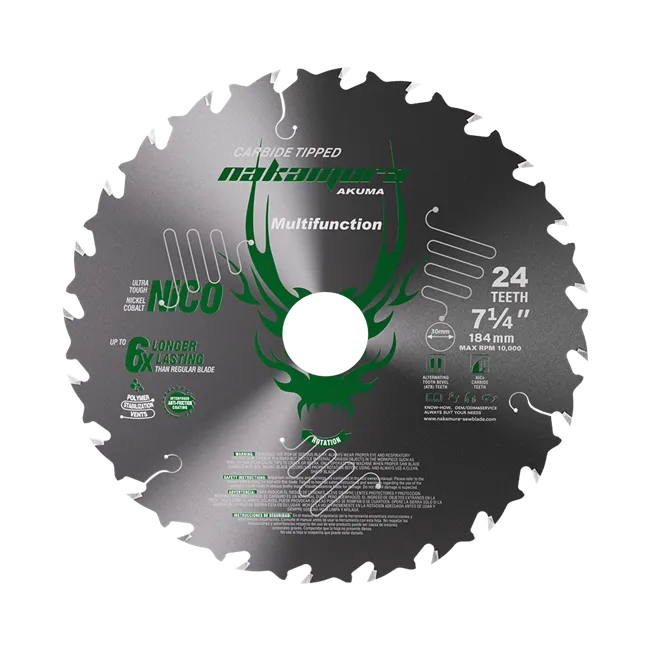
For example, a Woodworking 24 Tooth TCT Blade is designed for fast wood ripping, thick timber cutting, framing lumber, OSB, MDF, laminated wood, softwood, and hardwood. Its 24T tooth configuration helps remove chips quickly and maintain cutting speed during demanding woodworking tasks.
2. More Stable Blade Body
The blade body also affects cutting performance. A stable steel plate helps reduce vibration, side movement, and cutting line deviation. For jobsite use, the blade may face rough timber, resin, dust, heat build-up, and changing feed pressure. A low-quality blade body may deform more easily or create rougher cuts.
For contractor-grade use, a product such as the 184mm TCT Saw Blade For Wood is more suitable for repeated cutting of framing timber, OSB, MDF, plywood, integrated wood, and general jobsite wood materials. This type of blade is built for practical working conditions rather than only clean workshop cutting.
3. Tooth Geometry and Grinding Accuracy
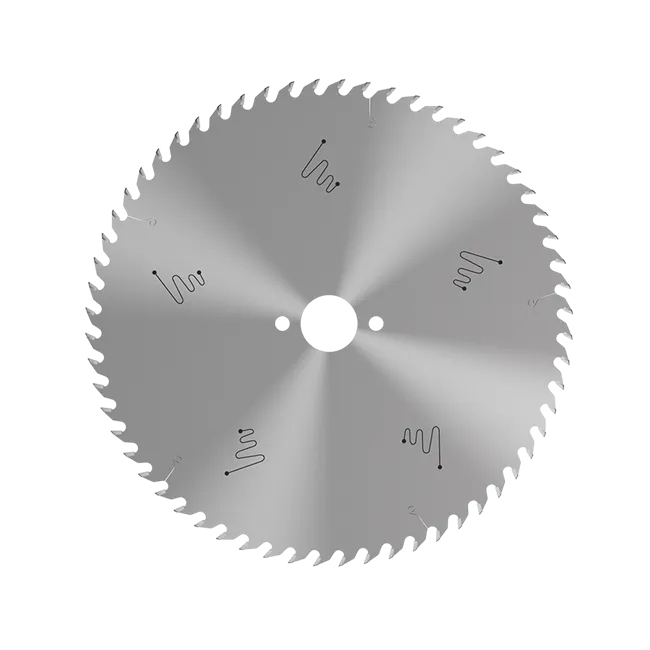
Tooth design is one of the most important factors in blade performance. A 24T blade, 40T blade, and 60T blade may all be circular saw blades, but they are not used for the same purpose.
A 24T blade usually cuts faster and is more suitable for ripping or rough cutting. A 40T blade can provide a better balance between cutting speed and finish quality. Higher tooth counts are often used for cleaner cuts in plywood, MDF, melamine, veneer, or cabinet-grade panels.
For buyers who need smoother cuts in wood, plywood, OSB, and treated timber, a 184mm Circular Saw Blade For Wood with 40T teeth can be a better choice than a lower-tooth-count blade.
4. Coating, Kerf, and Heat Control
Some premium circular saw blades use anti-friction coatings to reduce resin adhesion, cutting resistance, and heat build-up. A thin kerf design can also help cordless circular saws cut more efficiently because less material is removed during each cut.
However, thinner does not always mean better. A very thin blade may cut faster, but for heavy-duty work, the blade still needs enough body stability to resist vibration and deflection.

Are Expensive Blades Always Better?
No. A blade can be expensive but still wrong for your application.
For example, if you are cutting framing lumber quickly on a jobsite, a high-end fine-finish blade with too many teeth may cut slowly and generate more heat. In this case, a 24T TCT blade may be more practical.
If you are cutting melamine, veneer, or cabinet panels, a cheap low-tooth-count blade may cause chipping and rough edges. In this case, a higher-tooth-count blade or a fine-finish blade is worth the extra cost.
The key point is this: price does not decide performance by itself. Application matching does.
When Is an Expensive Circular Saw Blade Worth It?
A premium circular saw blade is usually worth the investment when:
- You cut wood every day in professional work.
- You need stable performance across repeated cuts.
- You are cutting hardwood, laminated timber, OSB, MDF, plywood, or construction panels.
- You need cleaner edges and less rework.
- You want longer blade life and lower replacement frequency.
- You are buying blades for contractors, distributors, or private-label tool programs.
For professional users, the real cost is not only the blade price. It is also the cost per cut, downtime, material waste, finishing work, and replacement frequency. A more expensive blade may actually be more economical if it cuts longer, runs smoother, and reduces defects.
When Is a More Affordable Blade Enough?
A mid-range circular saw blade may be enough when:
- You only use the saw occasionally.
- You are cutting softwood or simple construction lumber.
- The project does not require a fine finish.
- You are doing rough cutting, temporary work, or basic DIY projects.
- You are testing a market and need a cost-effective blade option.
For occasional DIY users, buying the most expensive blade is not always necessary. A correctly selected mid-range TCT blade can still deliver good cutting performance.

How to Choose the Right Circular Saw Blade
Before choosing a blade, buyers should check the following points.
1. Match the Blade Diameter
Never use a blade larger than the saw is designed for. The blade diameter must match the tool specification.
2. Match the Arbor Size
The center hole must fit the machine spindle correctly. If a reduction ring is used, it must be precise and stable.
3. Check the Maximum RPM
The blade's maximum RPM must be equal to or higher than the saw's operating speed. Never run a blade above its rated speed.
4. Choose the Right Tooth Count
Use lower tooth counts for faster cutting and higher tooth counts for smoother cutting. For example, 24T is suitable for fast ripping and framing work, while 40T or higher is better for cleaner cuts.
5. Choose the Right Blade for the Material
Do not use a wood cutting circular saw blade to cut metal. Wood, aluminum, steel, fiber cement, laminate, and plastic may all require different blade structures.
6. Consider OEM and Bulk Supply Needs
For distributors and tool brands, blade performance must remain consistent across bulk orders. In this case, manufacturing control, plate flatness, carbide welding quality, tooth grinding consistency, coating quality, and packaging customization are all important.
Conclusion: The Best Blade Is the Right Blade
Expensive circular saw blades are not always better. A premium blade can offer longer life, smoother cutting, better stability, and stronger performance, but only when it is used in the right application.
For professional contractors and woodworking users, investing in a higher-quality TCT circular saw blade can reduce downtime, improve cut quality, and lower long-term cost. For occasional DIY users, a well-selected mid-range blade may be the better value.
At Nakamura, we help buyers choose circular saw blades based on real cutting needs, not just price. Whether you need a 24T blade for fast jobsite ripping, a contractor-grade 184mm blade for repeated wood cutting, or a 40T blade for cleaner woodworking results, the right specification makes all the difference.