



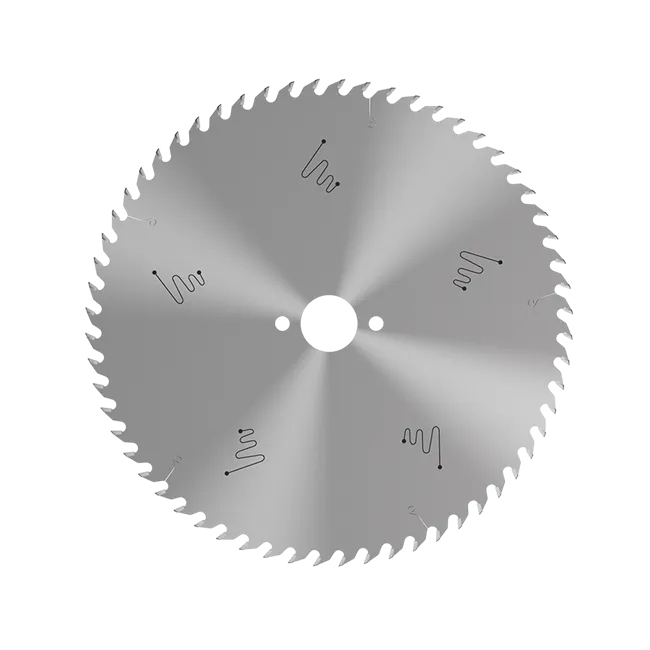


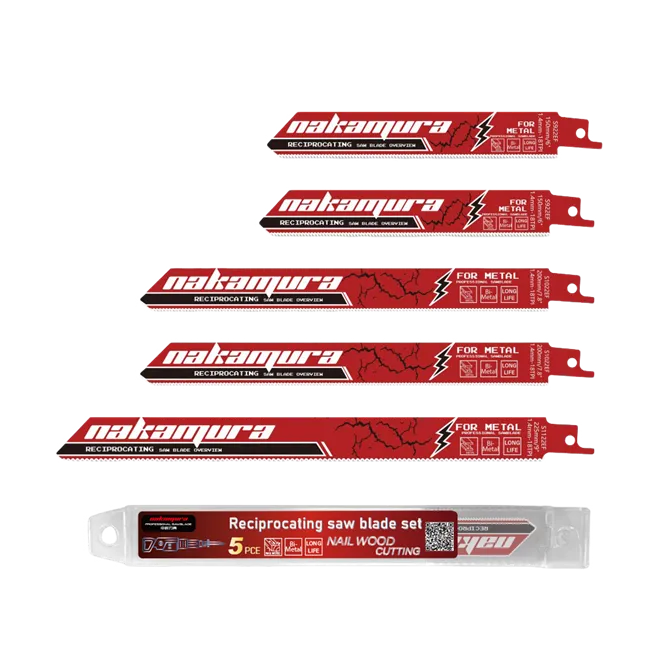

Hey there, fellow woodworking and fabrication enthusiasts! As a specialized supplier of premium cutting tools, we know that equipping your power saws with a high-performance carbide blade makes cutting tasks a breeze. However, whether you are a weekend DIYer or a seasoned professional contractor, safety must always be your top priority. Let's dive into the professional best practices for handling, inspecting, and operating these powerful tools without putting yourself in harm's way.
1. Inspection and Preparation: The First Line of Defense Before you even think about plugging in your saw, you need to give your blade a meticulous once-over. Inspect the tungsten carbide tips for any micro-fractures, chips, or missing teeth. A compromised blade will not only ruin your workpiece but can also shatter at high RPMs, posing a severe hazard. If you are starting a new framing project, upgrading to a flawless, factory-balanced 185mm Multipurpose Circular Saw Blade ensures you begin with maximum structural integrity and cutting precision.
Next, verify your saw's arbor (the mounting shaft). It must be completely free of resin, dust, and metal burrs. A blade that wobbles due to a dirty flange is a recipe for violent kickback.
2. Tool Selection and Kerf Considerations Matching the right blade to your cordless or corded saw is a safety requirement, not just a performance tip. Using a thick, heavy blade on a low-power cordless saw forces the motor to stall, increasing the chance of dangerous binding. For lithium-battery power tools, utilizing a specialized 190mm Carbide Teeth Circular Saw Blade significantly reduces cutting resistance and physical friction, keeping both the motor and the operator safe from sudden stalls.
3. Safe Mounting Procedures Mounting a carbide saw blade requires strict attention. Always disconnect the power source (unplug the cord or remove the battery) before reaching near the arbor. Retract the blade guard carefully and ensure the blade's rotational arrow matches the saw's rotation. When cutting non-ferrous metals, installing a precision Aluminum Cutting Circular Saw Blade with the correct directional alignment is critical to prevent the teeth from grabbing the soft metal and causing violent kickbacks. Once tightened with the proper wrench, ensure the spring-loaded blade guard snaps back into place smoothly.
4. Operating Best Practices: Know Your Tool Safety protocols differ entirely depending on the type of saw you are using:
- Table Saws: Always use a push stick to guide the material past the blade, keeping your fingers well away from the danger zone. Never cut freehand.
- Handheld Circular Saws / Track Saws: Never use a push stick. Instead, clamp your workpiece firmly to a stable workbench. Keep both hands on the saw's designated handles, and let the saw's RPMs do the work without forcing the feed rate.
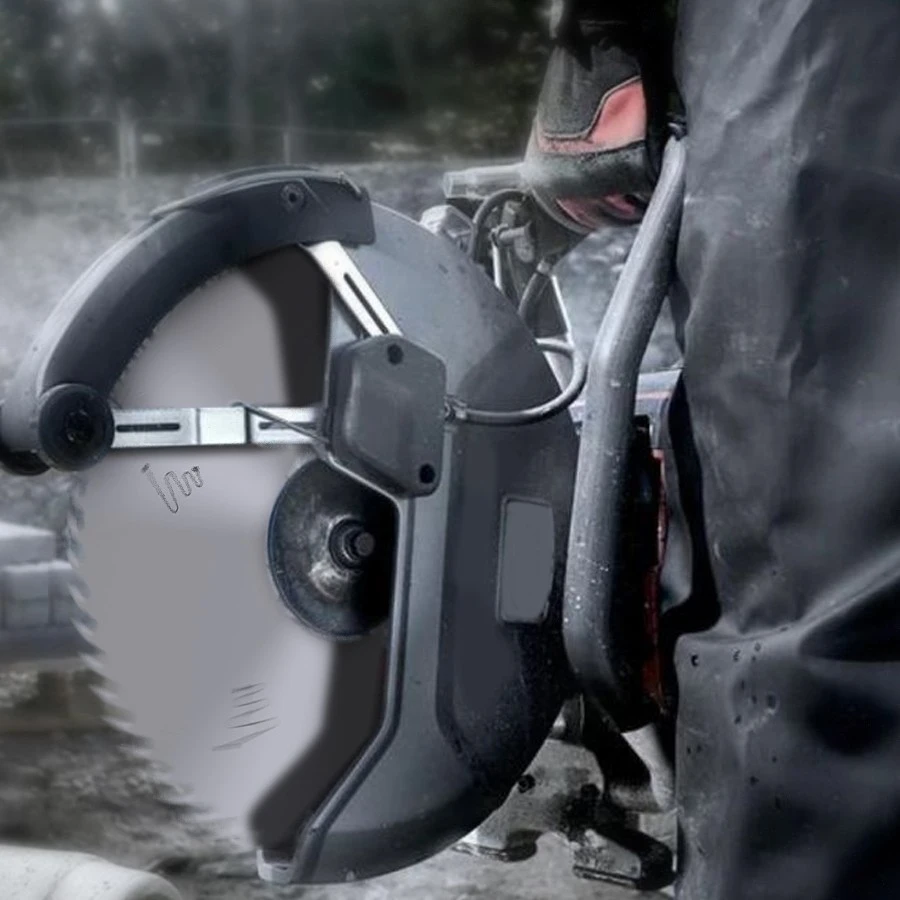

5. Professional Maintenance: Avoid DIY Sharpening After heavy use, clean your blades with a dedicated resin solvent. However, never attempt to sharpen a carbide saw blade yourself with a standard sharpening stone. Tungsten carbide requires specialized diamond grinding wheels and CNC machinery to maintain the exact tooth geometry (like ATB or TCG) and dynamic balance. Improper hand-sharpening will ruin the blade's balance and cause the brittle carbide tips to fracture during your next cut. Always send dull blades to a certified professional sharpening service.
By respecting the physics of your tools and choosing premium Nakamura carbide blades, you ensure both exceptional craftsmanship and absolute job-site safety.