

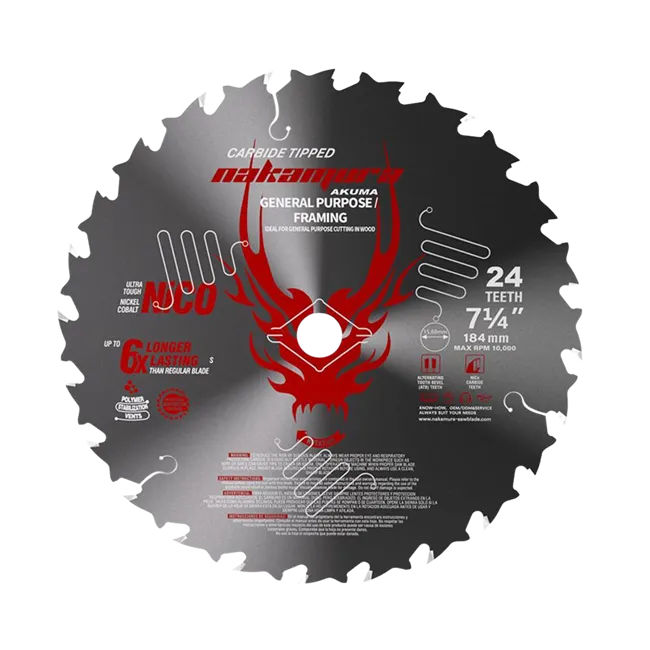
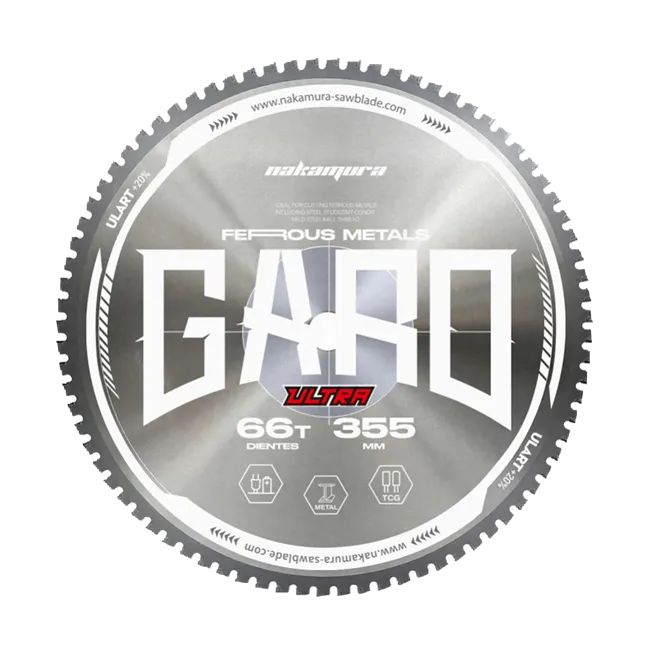
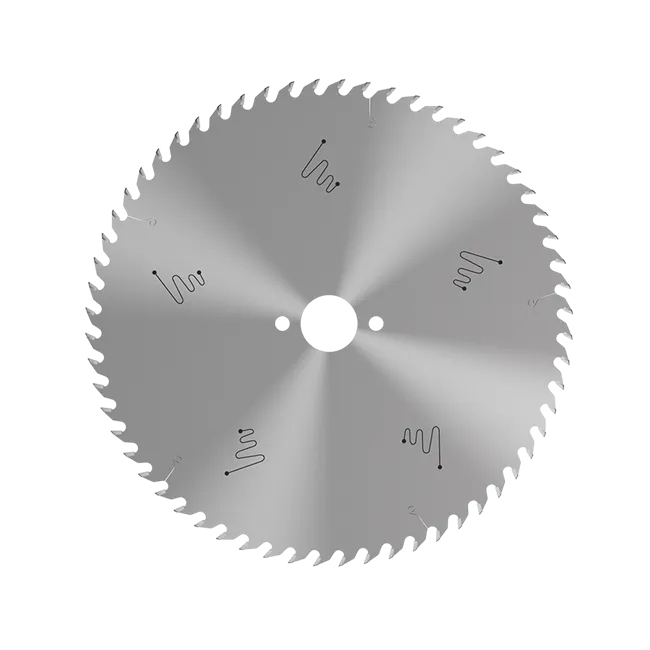
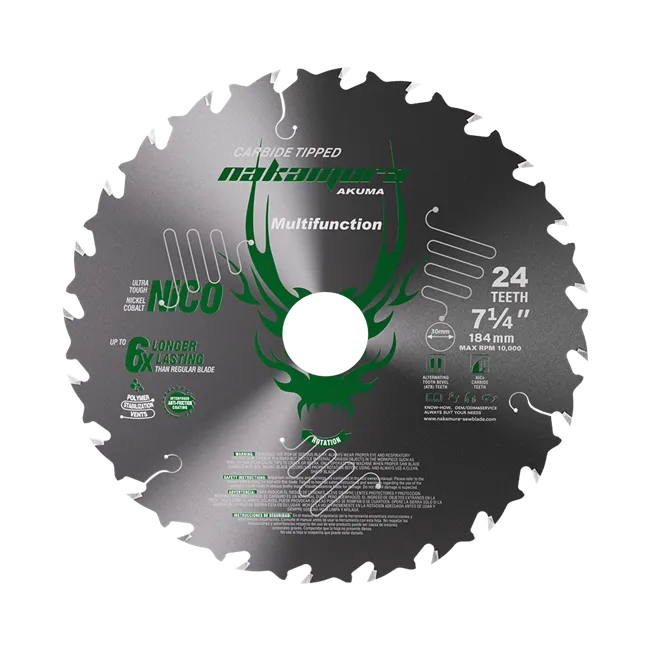

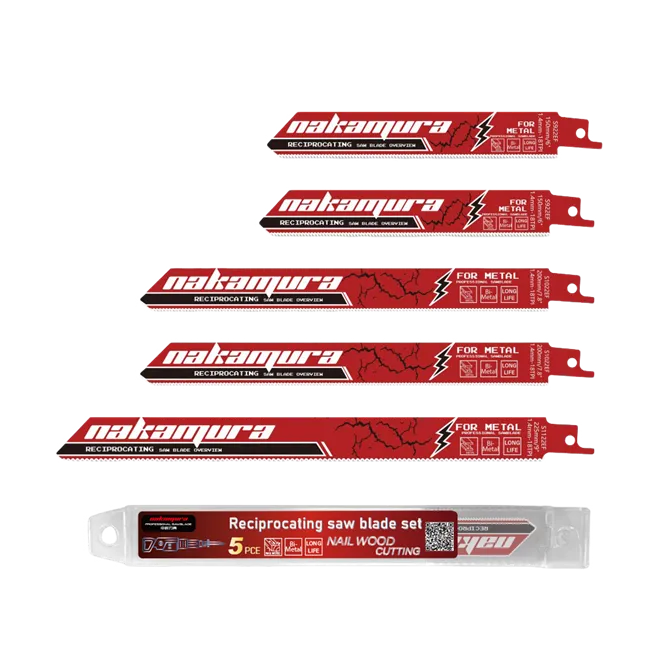
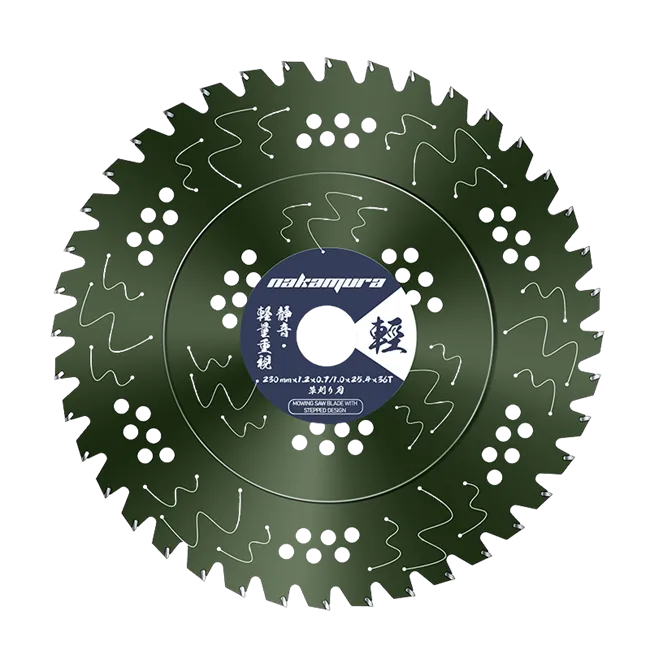
In the modern manufacturing, composite processing, and aerospace sectors, the demand for extreme precision has driven a significant evolution in cutting tools. While traditional laser-welded tools, such as a standard 147mm TCT Circular Saw Blade For Wood, provide excellent baseline performance for general timber sizing, highly abrasive composites and non-ferrous metals require advanced solutions. Polycrystalline Diamond (PCD) circular saw blades have emerged as the apex of precision cutting. However, the true efficacy of a PCD blade is not determined merely by its material, but by the rigorous dimensional tolerances maintained during its manufacturing process.
Defining Tolerance in Advanced PCD Tooling In industrial cutting mechanics, tolerance refers to the permissible limit of variation in a physical dimension. For ultra-hard materials like PCD, these tolerances are measured in micrometers. A prime example of such precision is the 10T PCD Saw Blade 100MM, which is engineered to execute flawless cuts in abrasive flooring laminates and fiber cement. The critical tolerances for such blades include:
Radial Runout Tolerance: This measures the deviation of the blade's outer diameter from a perfect circle during rotation. A microscopic deviation can cause "hammering," where a single tooth takes a disproportionate load, leading to premature PCD fracture.
Kerf and Plate Thickness Tolerance: Unlike primitive steel blades, industrial PCD and carbide blades do not use "bent teeth" to create clearance. The kerf is strictly defined by the EDM (Electrical Discharge Machining) ground width of the PCD tip. A tightly controlled kerf ensures absolute tracking stability and prevents the steel plate from vibrating.
Impact on Cutting Accuracy and Surface Finish The correlation between strict manufacturing tolerances and cutting accuracy is absolute. When executing cross-cuts on delicate architectural millwork, operators often rely on a high-precision Carbide Tipped Miter Saw Blade or a specialized PCD equivalent. If the radial and axial runout tolerances are minimized to near zero, the blade shears the material smoothly, leaving a glass-like, tear-out-free surface finish. Conversely, loose tolerances introduce lateral vibration (wobble), which translates directly into widened cut widths, scored edges, and shattered laminates.
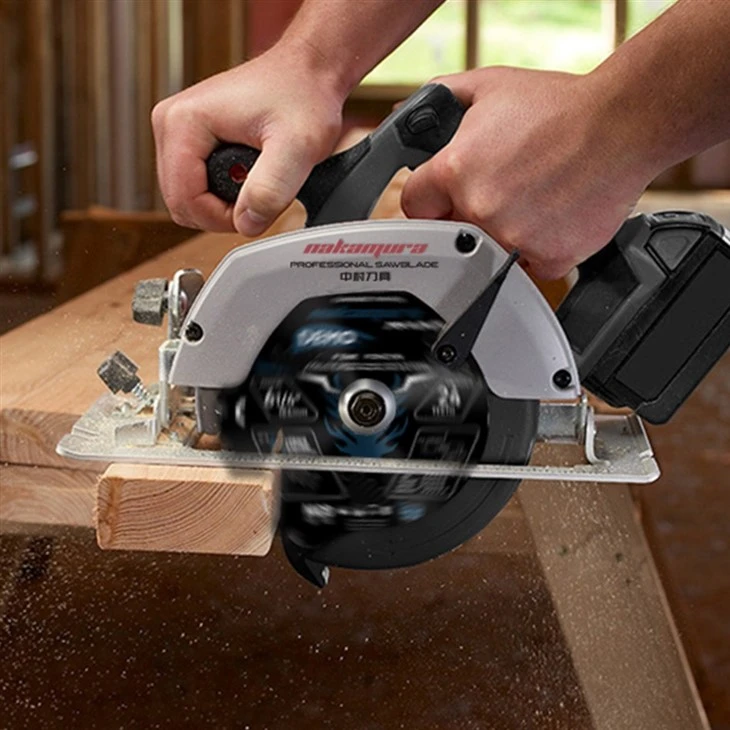
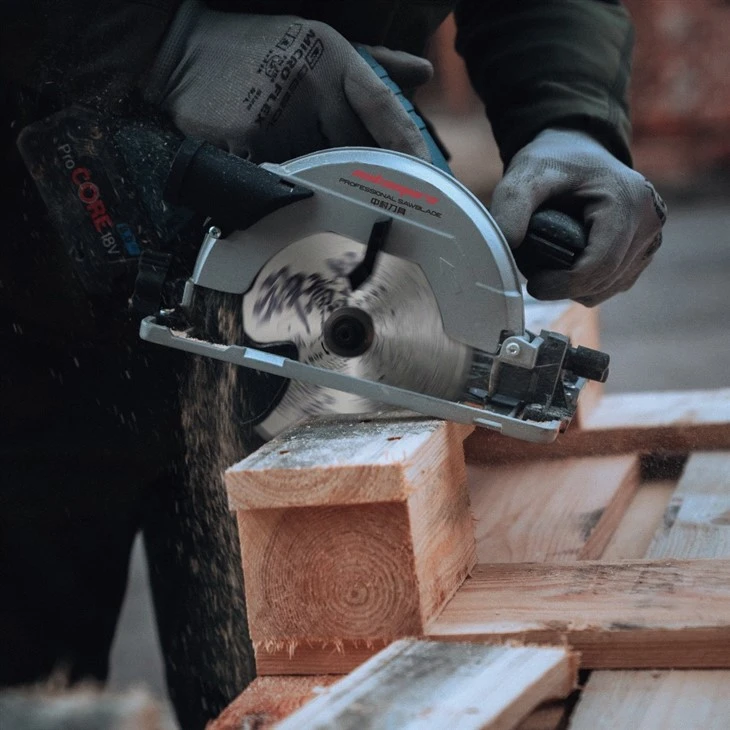
Strict Application Guidelines for PCD Blades To maintain these precise tolerances and ensure tool longevity, operators must strictly adhere to material compatibility guidelines:
Abrasive Composites and Woodworking: PCD blades dominate in processing MDF, HDF, melamine-faced boards, and carbon fiber reinforced polymers (CFRP), outlasting standard carbide by up to 50 times.
Non-Ferrous Metals: PCD is highly effective for machining aluminum alloys, brass, and copper, offering burr-free edges.
Metallurgical Restrictions: PCD must never be used to cut ferrous metals (steel, iron) or titanium. High-speed cutting of these transition metals triggers a chemical reaction that causes the diamond to graphitize and deteriorate instantly. Furthermore, PCD toothed blades are not for masonry; stone and concrete require sintered diamond grit blades, not toothed saw blades.
Manufacturing Excellence and Quality Assurance Achieving micrometer tolerances requires state-of-the-art manufacturing infrastructure. At our facility, the production of PCD circular saw blades involves laser-cutting high-tension steel bodies to prevent thermal distortion. The PCD segments are attached via precision vacuum brazing and subsequently sharpened using multi-axis wire EDM technology. Every blade undergoes computerized dynamic balancing to eliminate harmonic vibrations.
Conclusion For B2B procurement managers and industrial fabricators, understanding the strict tolerances of PCD circular saw blades is essential for maximizing operational ROI. By ensuring absolute dimensional accuracy, these cutting tools protect expensive workpieces and drastically reduce machine downtime. We invite global distributors and manufacturing facilities to consult with our engineering team for customized PCD cutting solutions tailored to your most demanding industrial applications.