


What Is a 190mm Multipurpose Saw Blade?
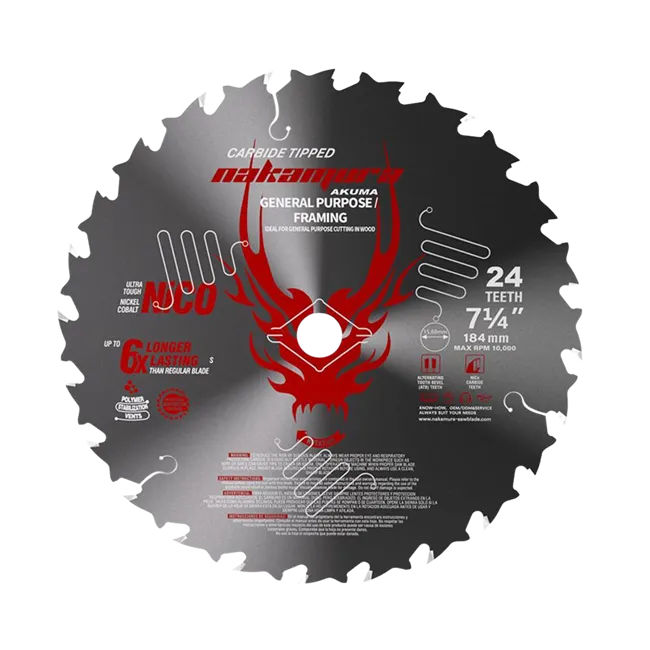
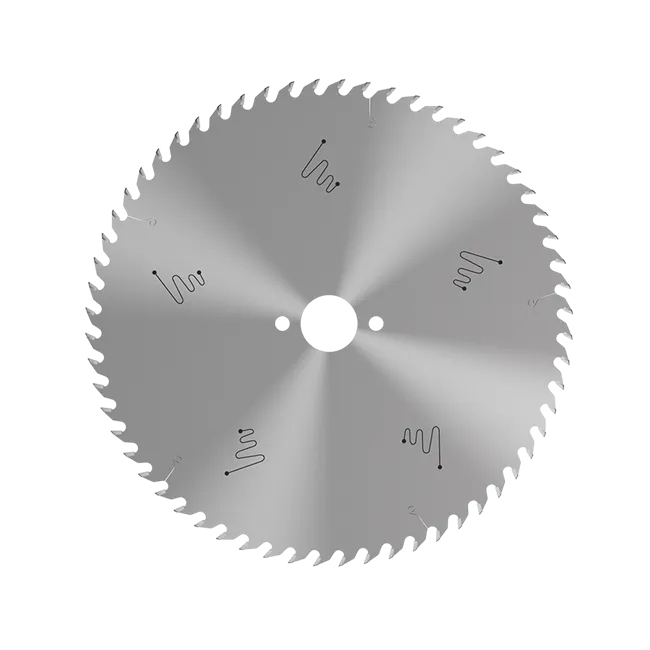
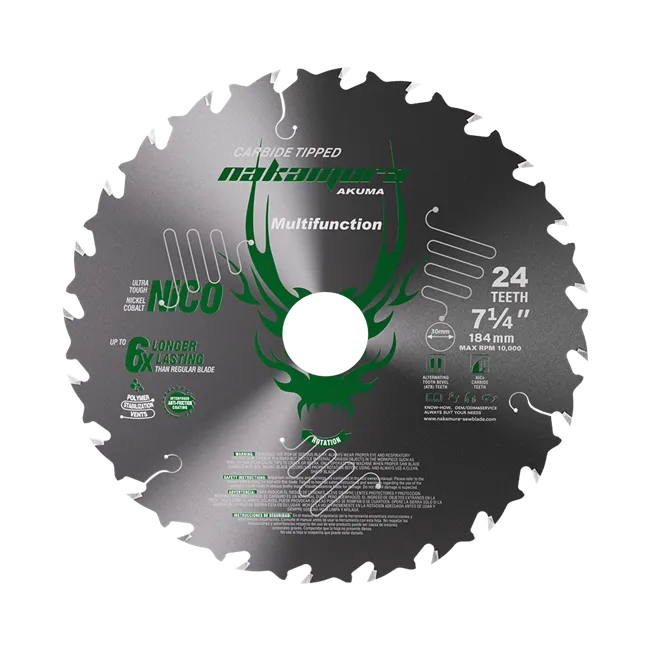
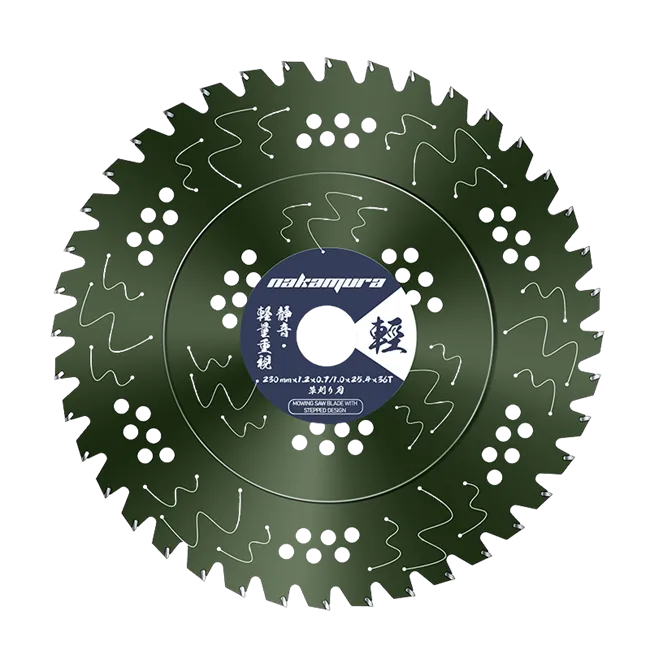
The 190mm size refers to the outside diameter of the blade. It is a common circular saw blade size in European and selected Oceanian markets, making it suitable for many portable circular saws and jobsite cutting applications.A multipurpose saw blade is designed for mixed-material cutting. Instead of being optimized for only one material, it balances cutting speed, impact resistance, chip removal, and blade body stability. Depending on the tooth design, it can be used for wood, plastic, aluminum profiles, nail-embedded wood, and selected light-gauge materials.For users looking for this size, Nakamura offers a 190mm Multipurpose Saw Blade for renovation, installation, and mixed jobsite applications.
What DIY Projects Can Use a 190mm Multipurpose Saw Blade?
1. Woodworking and Home Renovation
Wood cutting is one of the most common DIY applications. A 190mm multipurpose saw blade can be used for cutting softwood, plywood, OSB, MDF, laminate boards, and selected hardwood materials. It is suitable for building shelves, trimming panels, cutting timber frames, installing skirting boards, or preparing boards for small furniture projects.If your project mainly involves clean cabinet work or fine furniture, a dedicated fine-finish wood blade may still give a smoother result. But if your work includes general timber, plywood, and occasional nail-embedded wood, a multipurpose blade can reduce blade changes and improve convenience.2. PVC, Plastic Sheets, and Light Installation Materials
PVC pipes, plastic sheets, acrylic sheets, and composite boards are often used in DIY renovation projects. A 190mm multipurpose saw blade can cut these materials when the workpiece is properly fixed and the feed rate is controlled.When cutting plastic materials, avoid forcing the saw too quickly. Too much heat can cause melting, rough edges, or chip adhesion. A steady feed, good workpiece support, and regular chip removal will help achieve a cleaner cut.3. Aluminum Profiles and Selected Light-Gauge Materials
A multipurpose blade can also be useful for occasional cutting of aluminum profiles, light brackets, thin-walled sections, and other light installation materials. This makes it practical for door and window installation, light framing, repair work, and mixed-material renovation tasks.For frequent aluminum cutting, a dedicated aluminum blade is recommended. But for occasional jobsite cutting where one blade needs to handle several light materials, a 190mm multipurpose blade is a convenient option.4. Nail-Embedded Wood and Reclaimed Timber
In remodeling and repair work, users often cut reclaimed timber or old wood that may contain nails or screws. A standard wood blade can easily chip or lose teeth when it hits metal contamination. A multipurpose blade is usually designed with better impact resistance for this kind of mixed-material situation.Still, nail-embedded wood is not the same as heavy steel cutting. A multipurpose blade should not be used as a replacement for a professional metal cutting blade when cutting thick steel, rebar, cast iron, or stainless steel.
What Materials Should Not Be Cut with a Standard 190mm Multipurpose Blade?
A standard 190mm multipurpose saw blade is not recommended for continuous cutting of stainless steel, thick steel pipe, rebar, cast iron, or hard alloy materials. Stainless steel is especially demanding because it generates heat quickly and can work-harden during cutting. Using the wrong blade may lead to rapid tooth wear, broken tips, vibration, burnt edges, and safety risks.For stainless steel pipe, stainless steel square tube, or metal fabrication work, it is better to choose a dedicated Stainless Steel Cutting Circular Saw Blade instead of relying on a general multipurpose blade.
What Should You Check Before Using a 190mm Multipurpose Saw Blade?
1. Blade Diameter and Bore Size
First, confirm that your saw accepts a 190mm blade. Then check the bore size. Common bore sizes vary by machine and market, so the blade must match the saw correctly. A poorly fitted blade can cause vibration, inaccurate cutting, or safety problems.2. RPM Compatibility
The blade's maximum rated speed must match the saw's operating speed. Different materials require different feed control. Faster is not always better. When cutting aluminum, plastic, nail-embedded wood, or light metal, excessive heat and aggressive feeding can shorten blade life.3. Tooth Geometry
Multipurpose blades may use ATB, TCG, or combined tooth designs. Wood and plastic cutting require smooth chip removal and clean edges. Aluminum and light-gauge materials require stronger tooth support and better impact resistance. The best tooth geometry depends on the main material mix.For wholesalers, tool brands, and distributors, Nakamura provides Multi Purpose Saw Blades in different sizes, tooth options, coatings, bore sizes, and packaging formats for OEM/ODM and bulk supply.
4. Workpiece Fixing and Safe Operation
Before cutting, always secure the workpiece. Do not apply side pressure, do not twist the blade in the cut, and do not force the saw forward. If you notice abnormal vibration, unusual noise, burning smell, rough cutting, or increased resistance, stop the machine and inspect the blade, material, and saw setup.Advantages of a 190mm Multipurpose Saw Blade
Fewer Blade Changes
For DIY and renovation users, a single project may involve timber, plywood, PVC pipe, aluminum trim, and reclaimed wood. A multipurpose blade helps reduce frequent blade changes and keeps the workflow simple.Better for Mixed Jobsite Conditions
A multipurpose blade is not designed to replace every specialized blade. Its value is in mixed-material work where users need convenience, acceptable cut quality, and reliable performance across common renovation materials.Suitable for Channel Supply
The 190mm size is useful for markets where this blade diameter is common. For retailers, wholesalers, and tool brands, it can be developed as a practical SKU for DIY, renovation, and light jobsite users. Bore size, tooth count, surface coating, logo printing, and packaging can also be customized for local market needs.