



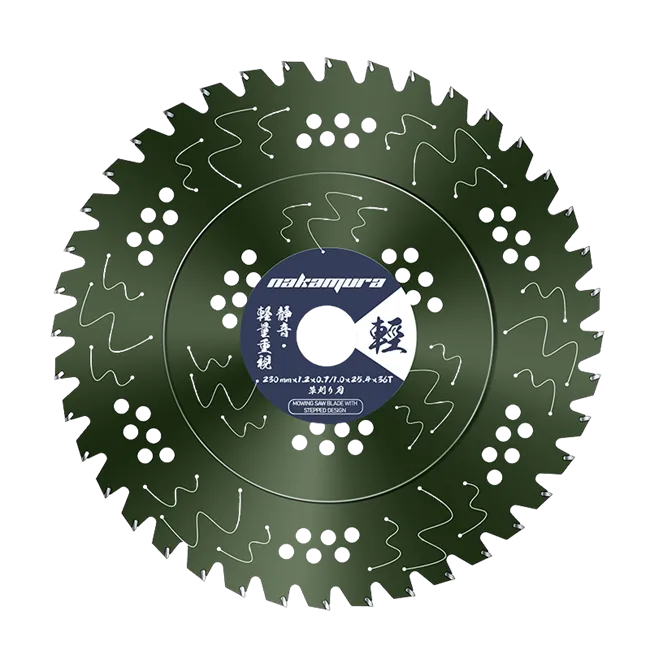
That's a question I get asked a lot as a supplier of professional landscaping blades. I've seen firsthand how these blades make quick work of dense grass and weeds, but what about those pesky small branches? Let's dive into the facts, equipment capabilities, and safety requirements.
First, let's clarify the terminology. While many people colloquially call them "weed eater blades," the industry standard term is a brush cutter blade. These are heavy-duty metal blades designed to be attached to compatible trimmers to handle vegetation that standard nylon string cannot.
So, can these blades cut through small branches? The answer is a resounding yes-but with important conditions regarding blade type, equipment compatibility, and safety.
1. Blade Types and Capabilities
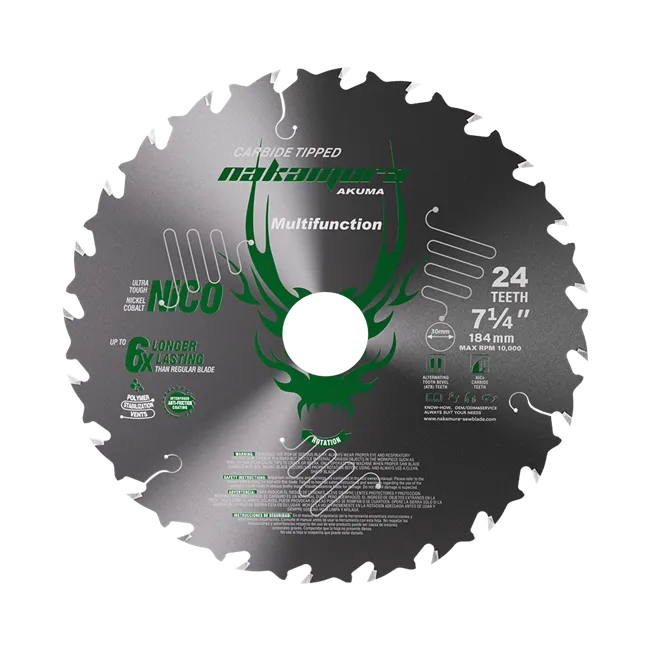
If you are dealing with thin, soft branches (under a quarter-inch in diameter), a standard 3-tooth or 4-tooth steel grass blade will slice through them with relative ease. However, for thicker, woody branches (up to 1 or 2 inches in diameter), a standard grass blade will struggle, bounce off, or sustain damage. For this heavy-duty work, you need a carbide-tipped brush cutter saw blade or a chainsaw-tooth blade. These are specifically designed to cut through saplings and thick brush, functioning much like a circular saw for your yard.
2. Equipment Compatibility (Crucial)
You cannot attach a metal blade to just any string trimmer.
- Curved-Shaft Trimmers: You must never install a metal blade on a curved-shaft trimmer. Their internal flexible drive cables cannot handle the impact of a metal blade hitting wood and will easily break, potentially causing severe injury.
- Straight-Shaft Trimmers & Brush Cutters: Only use metal blades on straight-shaft machines that are explicitly rated for them. They require specific mounting kits (thrust washers, rider plates, left-hand threaded nuts) and a heavy-duty metal deflector shield.

3. Safety and "Blade Thrust"
When cutting woody stems, you must be extremely careful of "blade thrust" (often called kickback). If the blade contacts a solid branch at the 12 o'clock to 3 o'clock position, the machine can violently kick to the right or rear. Always wear full Personal Protective Equipment (PPE), including face shields, ear protection, and sturdy work boots, and ensure you have a firm two-handed grip using a proper harness.
Our Product Range
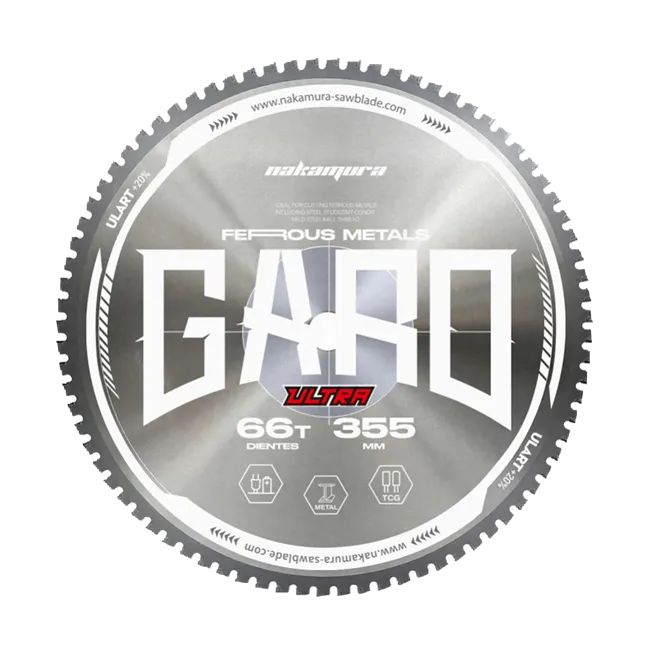
As a professional supplier, we offer a wide variety of brush cutter blades suited for everything from clearing thick weeds to cutting saplings. We've got you covered with the right tools for the right job.
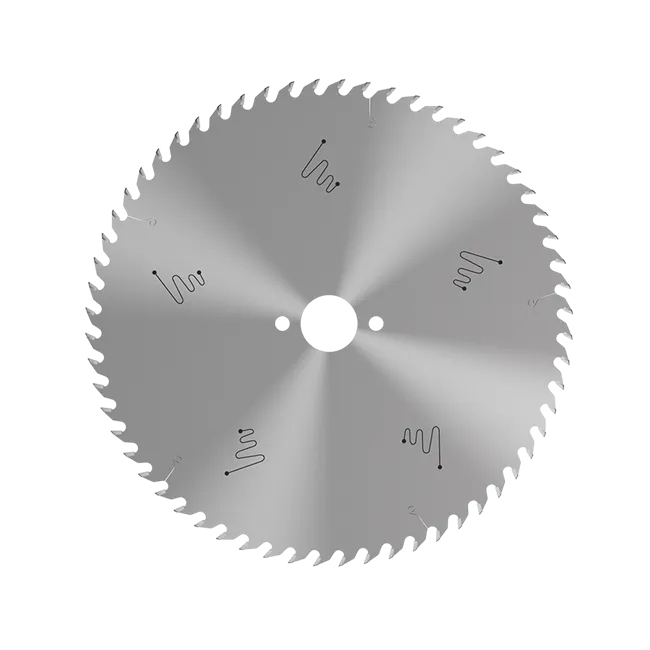
Beyond landscaping, we also supply premium circular saw blades for construction and woodworking:
- Wood Cutting Circular Saw Blade: Sharp and durable, perfect for clean cuts in various types of lumber.
- 7 1 4 Fiber Cement Blade: Specially designed to handle the tough, abrasive nature of fiber cement products with ease.
- Framing Wooden Cutter Blade: Leaves a smooth, precise, and chip-free edge on your laminate flooring pieces.

In conclusion, a brush cutter blade is an incredibly effective tool for small branches, provided you use the correct blade on a compatible machine with proper safety measures. Don't expect it to replace a chainsaw for mature trees, but for clearing brush, it's unmatched.
If you have any questions about our products, equipment compatibility, or need advice on which blade is safest and best for you, feel free to contact us. We're always happy to share our expertise.