


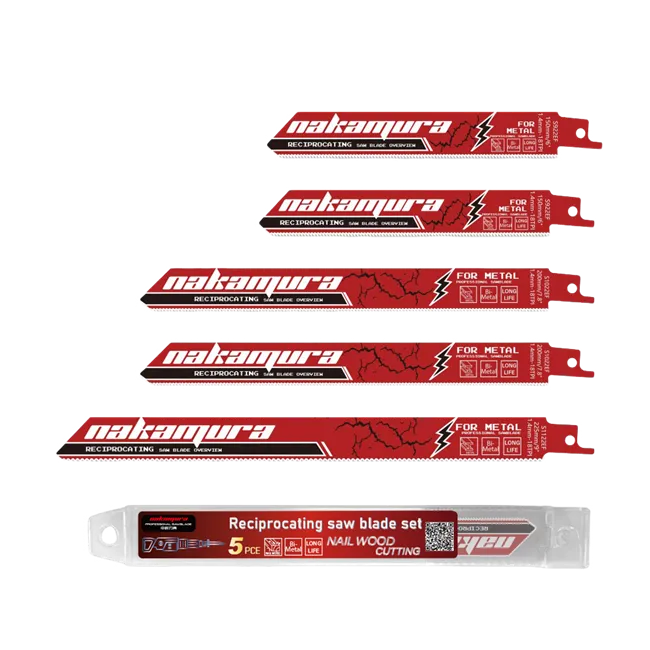
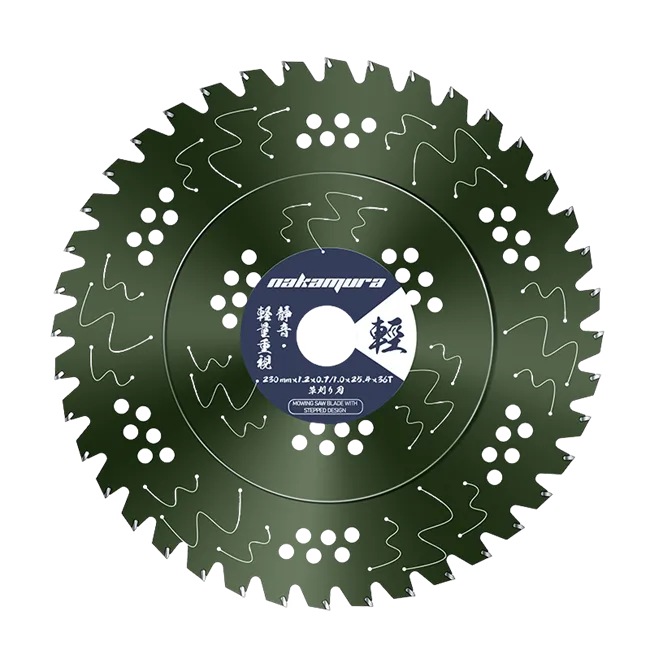
Carbide saw blades are widely used for cutting wood, metal, aluminum, and other materials because carbide tips can provide good wear resistance and cutting performance. However, like any cutting tool, carbide saw blades also have limitations.
Understanding these limitations can help users select the right blade, cutting parameters, and maintenance methods for each application.
Carbide Tips Can Be Brittle
Carbide is very hard, but hardness does not mean unlimited toughness. Carbide tips can be damaged by impact, excessive vibration, incorrect mounting, or unsuitable cutting conditions.
For example, when cutting wood containing hidden nails or other foreign objects, sudden impact can chip or damage the teeth. This is why blade selection should consider not only the material being cut but also the possibility of embedded debris.
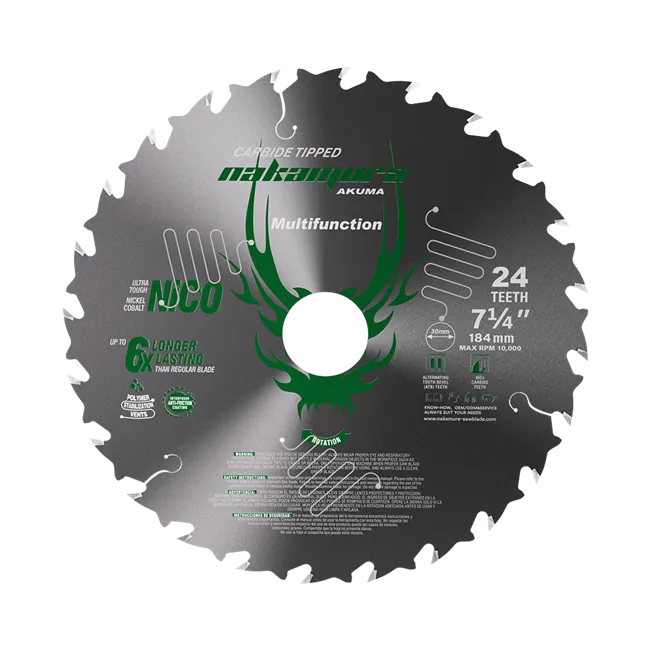
For applications involving multiple materials or unpredictable cutting conditions, Multipurpose Chop Saw Blade can be considered when its specifications match the machine and application.
Cutting Speed and Heat Need to Be Controlled
Carbide generally maintains its hardness at elevated temperatures better than conventional high-speed steel, but excessive heat can still accelerate wear and affect cutting performance.
Using an inappropriate blade at an unsuitable speed or feed rate can increase friction and heat generation. This is particularly important when cutting metals, where blade geometry, tooth count, material grade, RPM, and feed rate need to work together.
For aluminum cutting, selecting a blade specifically designed for non-ferrous metals can help achieve more consistent cutting performance. Aluminum Circular Saw Blade is one example of a blade designed for aluminum cutting applications.
Carbide Blades Are Not Ideal for Every Fine-Cutting Application
Carbide saw blades are commonly designed for efficient straight cutting, but certain detailed or ultra-thin applications may require a different blade design.
Kerf width, blade thickness, tooth geometry, and tooth count all affect material removal and cutting accuracy. For very thin materials or applications requiring particularly narrow cuts, users should check whether the blade's specifications are appropriate rather than assuming a standard carbide blade will provide the desired result.
The best choice depends on the material, machine, required cutting width, and desired finish.
The Steel Blade Body Requires Proper Maintenance
Although carbide tips are highly wear-resistant, the steel body of the blade can still be affected by moisture and improper storage.
After cutting in wet or humid conditions, the blade should be cleaned and dried according to the manufacturer's recommendations. Proper storage can help prevent corrosion of the steel body and maintain blade balance.
A blade that is contaminated, corroded, improperly mounted, or damaged may produce increased vibration and poorer cutting results.
Soft Plastics Require the Right Blade Design
Carbide blades can also be used for certain plastics, but soft or heat-sensitive plastics require appropriate tooth geometry and cutting parameters.
If cutting conditions generate excessive heat, plastic can soften or melt and adhere to the teeth. This can lead to material buildup and affect cutting quality.
For plastic applications, a blade specifically designed for the material can be more appropriate than a general-purpose blade. 7 1 4 Circular Saw Blade For Plastic is designed for plastic-cutting applications where blade geometry and cutting performance need to be matched to the material.
Initial Cost Can Be Higher
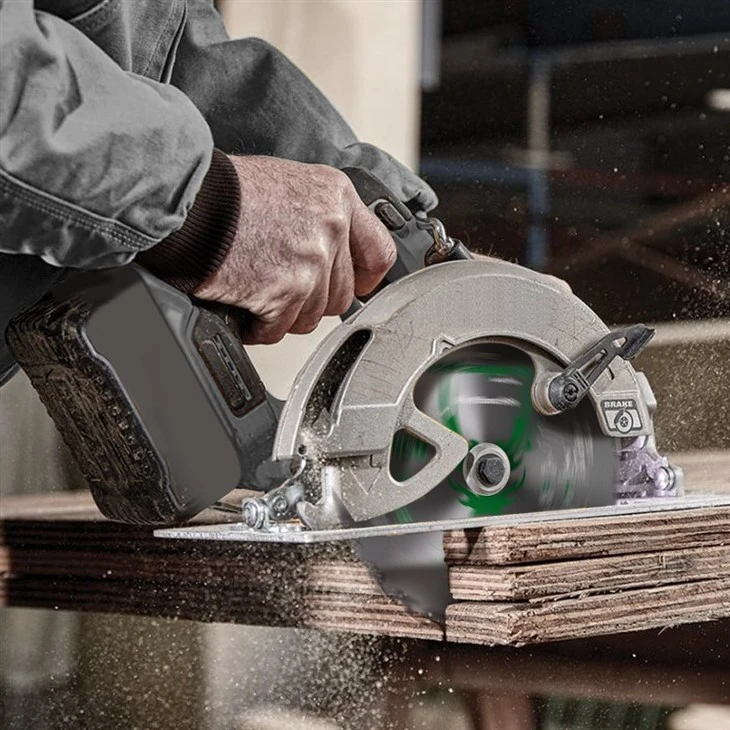
Carbide saw blades generally have a higher initial purchase cost than some conventional cutting solutions. However, the overall value depends on factors such as cutting frequency, material, blade life, cutting performance, and replacement requirements.
For occasional or low-volume work, the initial cost may be an important consideration. For regular production, users should consider the total cost of ownership rather than comparing purchase prices alone.
Highly Abrasive Materials Can Accelerate Wear
Carbide is highly wear-resistant, but highly abrasive materials can still cause significant tooth wear.
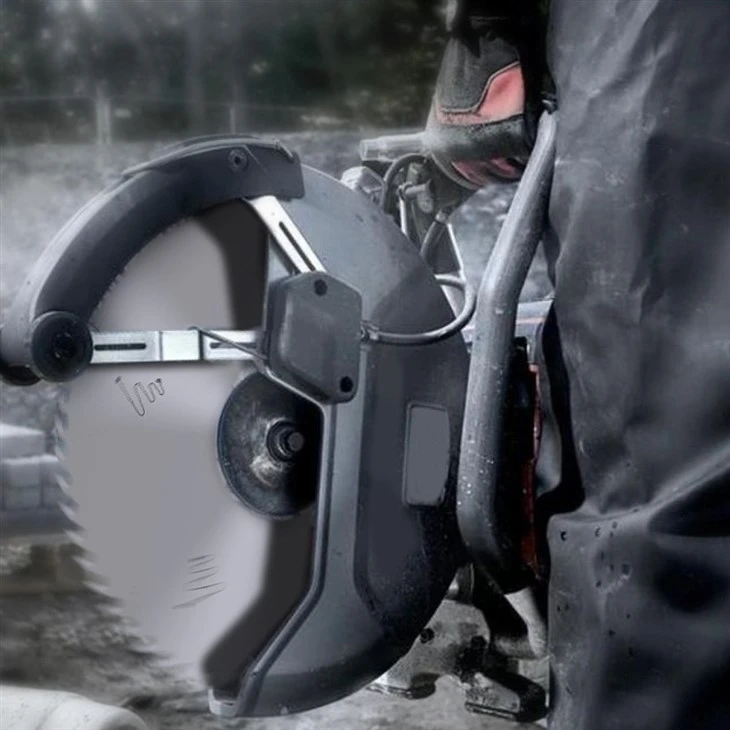
Materials such as concrete, brick, and stone can be particularly abrasive. For these applications, specialized diamond cutting tools are often more suitable than conventional carbide-tipped saw blades.
Therefore, carbide should not be considered a universal solution for every cutting material. Selecting the appropriate cutting technology is essential for achieving reasonable tool life and cutting performance.
How to Reduce the Impact of These Limitations
Most limitations can be managed by matching the blade to the actual application.
Before selecting a carbide saw blade, consider:
What material are you cutting?
What is the material thickness?
Does the material contain nails, screws, or other foreign objects?
What machine and RPM will be used?
What cutting speed and feed rate are appropriate?
What tooth count and geometry are required?
Is a narrow kerf or fine finish important?
Will the blade be exposed to moisture or abrasive materials?
Final Thoughts
Carbide saw blades offer a useful combination of hardness, wear resistance, and cutting performance, but they are not suitable for every material or cutting condition.
Carbide tips can be vulnerable to impact, excessive heat, and unsuitable operating conditions. The blade body also requires proper handling and storage, while specialized materials such as highly abrasive masonry or certain soft plastics may require different blade technologies.
The key is not simply choosing a carbide blade, but choosing a blade whose material, tooth design, body construction, and operating specifications match the actual application.