


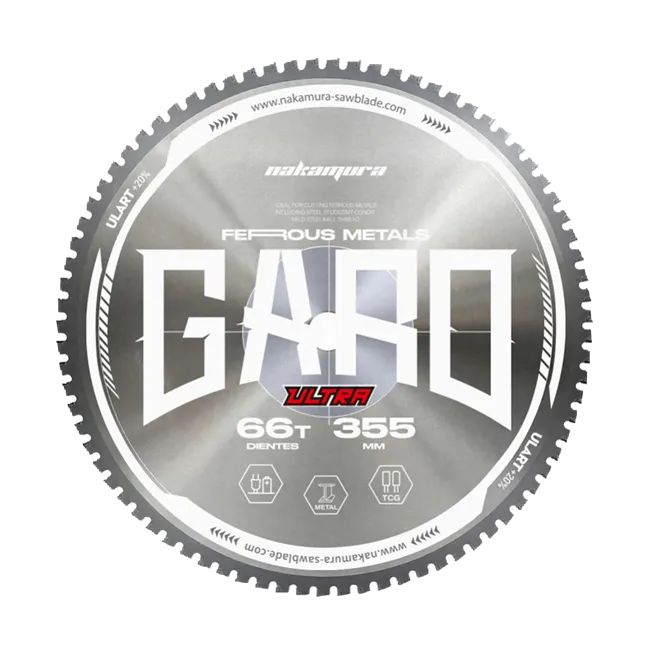



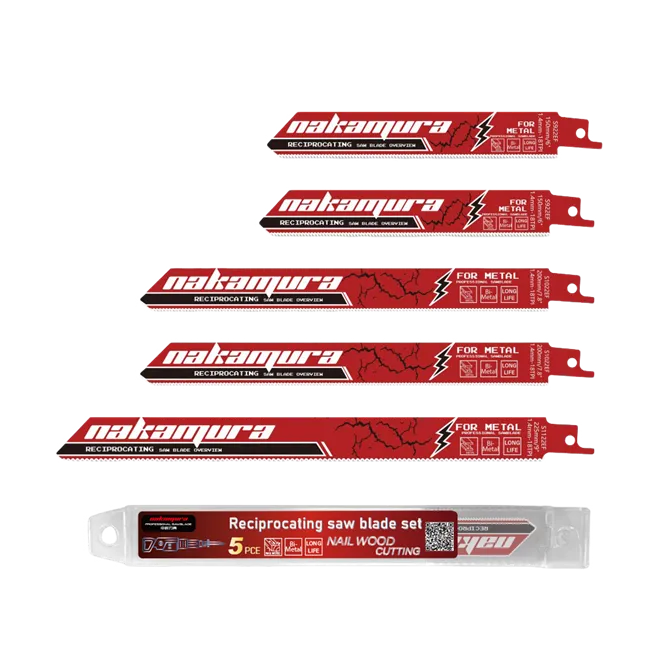

For DIY users, renovation workers, and small woodworking shops, choosing the right saw blade is just as important as choosing the power tool itself. Different materials require different tooth geometry, tooth count, hook angle, chip clearance, and blade body stability. Carbide saw blades are widely used in DIY applications because they normally use hard carbide tips brazed onto a steel plate, offering better wear resistance, cutting stability, and service life than ordinary steel blades.
However, not every carbide saw blade is suitable for every material. Wood, plastic, aluminum, composite boards, and nail-embedded materials all require different blade designs. The key is to match the blade with the material and the expected cutting finish.
1. Cutting Wood: Furniture, Trim Work, and Panel Processing
Wood cutting is one of the most common DIY applications. Whether you are building a bookshelf, a coffee table, storage cabinets, framing pieces, or simple home improvement projects, a suitable TCT carbide circular saw blade can make the job easier and cleaner.
For fast ripping of solid wood or construction timber, a blade with fewer teeth and larger gullets usually helps remove chips more efficiently. For plywood, MDF, laminated boards, trim materials, and engineered panels, a higher tooth count and a thinner kerf can help reduce tear-out and produce a cleaner edge.
For example, the NAKAMURA 7-1/4 Carbide Circular Saw Blade is designed for wood, OSB, MDF, plywood, laminated boards, and engineered wood. For DIY users working with corded or cordless circular saws, the thin-kerf design helps reduce cutting load, making the feed smoother and improving runtime on battery-powered tools.
2. Cutting Plastic and Composite Materials: Reducing Melting, Chipping, and Clogging
Plastic materials are also common in DIY and renovation projects. These may include PVC pipe, plastic sheets, acrylic panels, composite boards, and installation profiles. When cutting plastic, the main challenge is not only whether the blade can cut through the material, but whether it can reduce edge melting, chipping, and chip build-up.
For plastic and composite materials, it is important to use sharp carbide teeth, suitable tooth geometry, and stable feed pressure. Feeding too slowly may create excessive friction and heat, while feeding too aggressively may cause chipping or vibration.
If your project involves cutting different materials such as wood, plastic, composite boards, aluminum profiles, and light metals, Multi Purpose Saw Blades can be a practical option. These blades are suitable for renovation work, jobsite cutting, repair tasks, and tool distribution channels where users want to reduce frequent blade changes.
3. Cutting Aluminum: Use a Blade Designed for Non-Ferrous Metals
Aluminum is widely used in DIY frames, window profiles, display racks, decorative strips, and light structural parts. Although aluminum is softer than steel, it does not mean that an ordinary wood blade is the right choice. Aluminum can create chip build-up, burrs, and heat during cutting. If the blade geometry is not suitable, the result may be a rough edge, material deformation, or damaged carbide tips.
For aluminum profiles, aluminum tubes, aluminum plates, and non-ferrous metals, it is better to use a carbide saw blade designed specifically for aluminum cutting. These blades often use tooth designs such as TCG geometry, controlled hook angle, anti-stick coating, and heat-control features to reduce burrs and improve cutting stability.
For aluminum windows and doors, aluminum profiles, aluminum tubes, aluminum rods, and aluminum panels, the Aluminium Carbide Saw Blade is a better choice when users need cleaner cuts, better burr control, and stable performance in repeated cutting.
4. How DIY Users Should Choose a Carbide Saw Blade
When selecting a saw blade, do not look only at diameter and price. A more practical approach is to consider the material, cutting direction, tooth count, tooth geometry, tool compatibility, and expected finish.
First, identify the main cutting material. Wood, plastic, aluminum, and light metals require different blade configurations. A wood blade should not be casually used for aluminum cutting, and an aluminum blade may not be the best choice for fast ripping in wood.
Second, consider the tooth count. Lower tooth counts usually cut faster and remove more material, making them suitable for rough cuts and ripping. Higher tooth counts usually create a smoother edge, making them suitable for crosscutting, trim work, plywood, MDF, and laminated boards.
Third, check the tooth geometry. ATB teeth are commonly used for wood and panel cutting. TCG teeth are often used for aluminum, plastic, and some composite materials. Multi-purpose blades should be selected based on the actual material mix.
Fourth, make sure the blade matches the machine. Blade diameter, arbor size, kerf, plate thickness, and maximum RPM must match the power tool manufacturer's instructions. Never run a saw blade above its rated speed.
Fifth, consider the working frequency. For occasional home use, a general-purpose blade may be convenient. For repeated cutting of the same material, a dedicated blade usually provides better finish quality and longer life.
5. Safety Tips for Using Carbide Saw Blades
Always wear eye protection, hearing protection, and proper dust protection when using a circular saw. When cutting wood, MDF, or composite boards, dust collection and ventilation are also important.
Secure the workpiece before cutting to reduce movement, binding, or kickback. Do not use a blade with cracks, missing teeth, deformation, or loose carbide tips. Before starting the saw, confirm blade direction, arbor fit, and locking condition.
Avoid loose sleeves, jewelry, or loose gloves near a rotating saw blade. For small workpieces, use clamps, guides, or push sticks to keep hands away from the cutting area.
6. Why Choose NAKAMURA Carbide Saw Blades?
NAKAMURA supplies wood cutting blades, multi-purpose carbide saw blades, aluminum saw blades, and OEM/ODM blade solutions for DIY, renovation, retail, and wholesale markets. Based on your target market, common power tools, cutting materials, packaging requirements, and price level, we can recommend suitable blade diameter, arbor size, tooth count, tooth geometry, coating color, and packaging options.
For tool brands, distributors, and e-commerce sellers, stable batch supply is more important than a single cutting test. NAKAMURA focuses on blade body quality, carbide brazing, tooth grinding, balancing, surface printing, and packaging consistency to help customers build a reliable saw blade product line.
Conclusion
Carbide saw blades are highly useful in DIY projects, but the best results come from using the right blade for the right material. For wood cutting, focus on tooth count, kerf, and finish quality. For plastic and composite materials, pay attention to heat control and chip removal. For aluminum, choose a blade designed for non-ferrous metal cutting.
If you are looking for carbide saw blades for DIY, renovation, retail, or wholesale supply, NAKAMURA can help you select a practical blade solution based on your material, tool type, and market needs.