


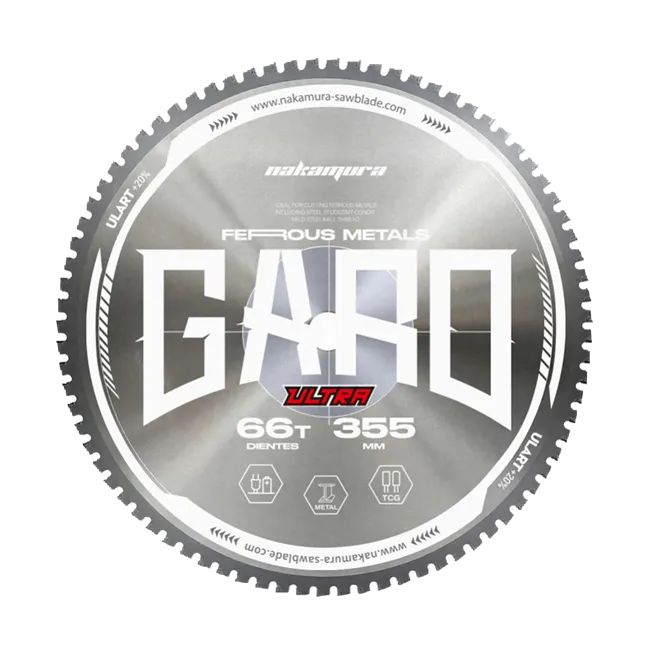
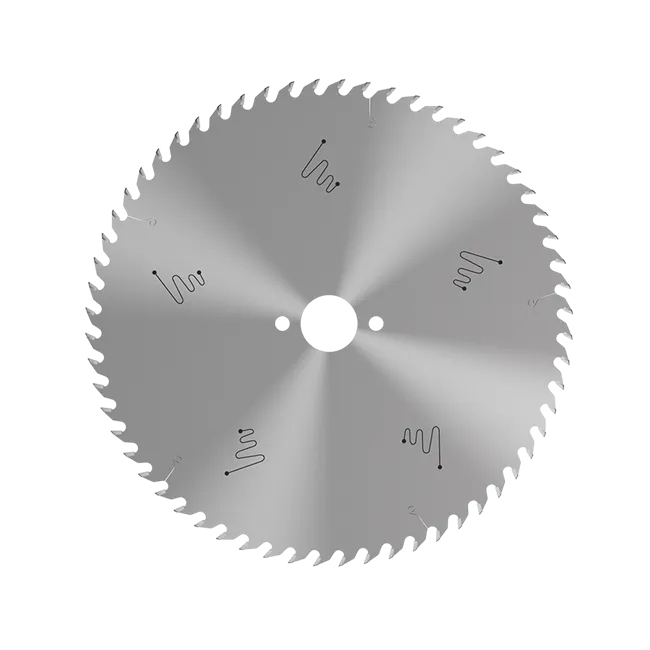


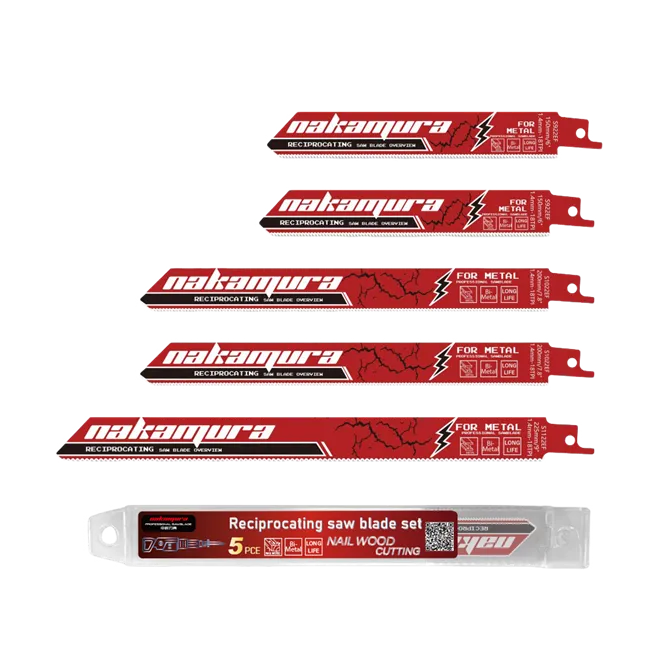

When it comes to transforming raw materials into structural masterpieces, Tungsten Carbide Tipped (TCT) saw blades are the undisputed champions of durability and precision. As a specialized supplier of premium cutting tools, we understand that achieving a flawless finish requires not only the right material but also the correct mechanical approach. For everyday precision sizing and straight cross-cuts across various job-site materials, equipping your power tools with a highly versatile 185mm Multipurpose Circular Saw Blade provides a clean, burr-free edge while protecting your motor from excessive wear.
The Golden Rule: Circular Saws and Curves Don't Mix There is a dangerous misconception in the DIY world that circular saws can be twisted to cut flowing curves. Never attempt to cut a curved line directly with a circular saw. Circular blades are geometrically engineered for absolute straight-line tracking. Twisting a spinning blade inside a kerf causes immediate binding, which leads to violent, highly dangerous kickback and can shatter the carbide teeth. To safely prep a curved profile, you must first trim the excess waste material using straight lines. For this preparatory work, especially on cordless saws, using a low-resistance 190mm Carbide Teeth Circular Saw Blade minimizes friction and heat generation, allowing you to rapidly size down the blank without draining your battery.
The "Relief Cut" Technique So, how do you approach a curve with a circular saw? The professional method is making "relief cuts." You draw your curve on the workpiece, and then use your circular saw to make multiple, straight cuts perpendicular to the waste edge, stopping exactly 1/8-inch away from your curved line. Once these straight relief slots are cut, the waste material breaks away easily, leaving you with a roughly curved edge that can be quickly sanded or routed to perfection.
Choosing the Right Tool for the Actual Curve To cut continuous, sweeping curves safely, you must switch from a circular saw to a band saw or a jigsaw. If you are processing thick, highly abrasive materials (like dense hardwoods or composite panels) on a band mill, a Carbide Teeth Saw Blade is the ultimate upgrade. While standard carbon steel band blades flex easily for tight radiuses, carbide-tipped band blades offer unmatched wear resistance for long, sweeping contours, maintaining their razor-sharp edge through hundreds of hours of heavy-duty operation.
Tooth Count and Thermal Management Understanding tooth count is crucial for maintaining your blade. When cutting soft, melt-prone plastics or aluminum, do not use a high-tooth-count blade. More teeth mean more friction and heat, which causes materials to melt and gum up the gullets. Instead, opt for an optimized pitch that balances clean shearing with aggressive chip evacuation to keep the blade cool.


Maintenance and Safety Protocols Always prioritize safety. When making relief cuts, ensure your workpiece is securely clamped. Keep your carbide tools free of resin and pitch buildup by cleaning them with dedicated solvents after heavy use. Store your blades individually in protective sleeves to prevent the brittle carbide tips from chipping against other metal tools in your kit. By respecting the mechanical limits of your tools and choosing premium Nakamura blades, you guarantee both exceptional results and a safe working environment.