


As a specialized manufacturer and supplier of premium power tool accessories, I witness firsthand how cutting efficiency dictates the profitability of a job site. Whether you are a professional contractor or a dedicated DIYer running cordless lithium-battery tools, an efficient carbide circular saw blade saves time, preserves battery life, and eliminates the frustrating downtime of frequent blade changes. In this guide, we will explore professional techniques to significantly boost the cutting efficiency and lifespan of your carbide blades.
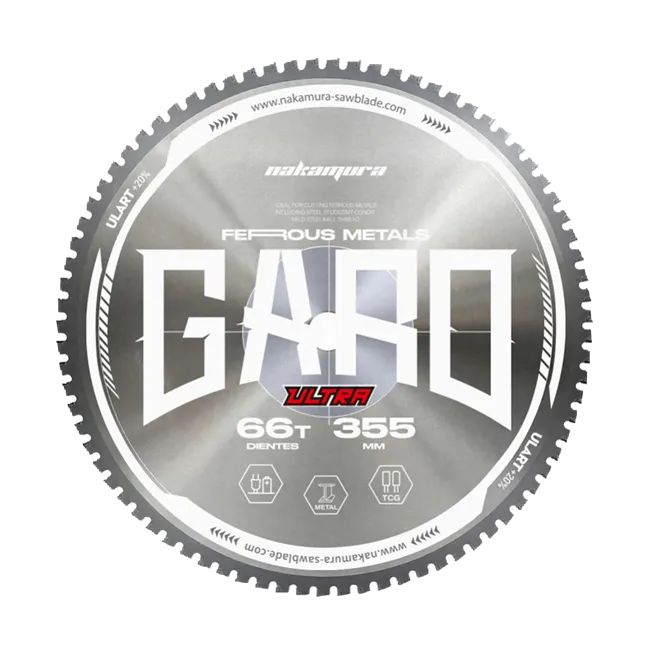
1. Choose the Exact Blade Geometry for the Job The absolute foundation of efficiency is matching the blade's tooth geometry to the material. There is no "magic blade" that perfectly cuts dense hardwoods and thick steel simultaneously. Cutting wood requires an Alternate Top Bevel (ATB) geometry with deep gullets to clear sawdust. Conversely, metal cutting demands a Triple Chip Grind (TCG) with a specialized cermet or tough carbide grade to withstand heavy impacts.
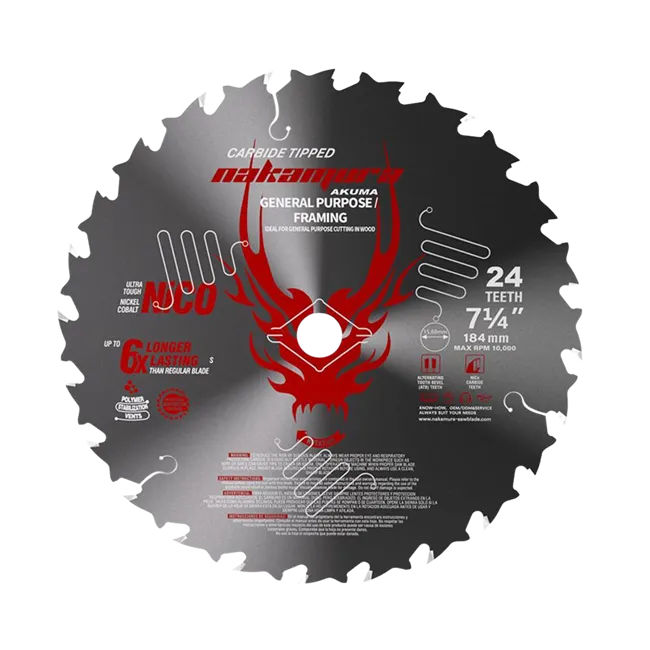
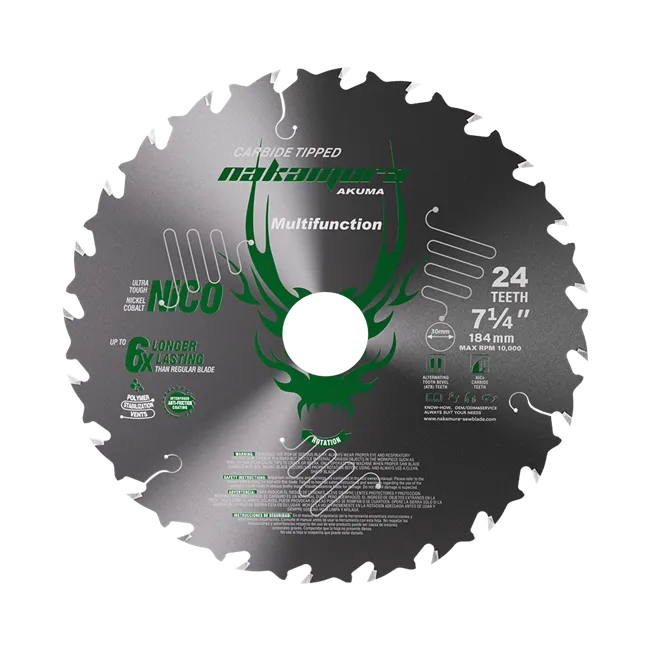
For contractors who frequently encounter mixed media on the job site-such as framing timber embedded with nails or light plastics-a highly adaptable solution is required. Equipping your cordless saw with the 185mm Multipurpose Circular Saw Blade provides the perfect balance. Its impact-resistant micro-grain carbide teeth effortlessly chew through wood with nails while maintaining a thin-kerf profile that significantly extends your cuts per battery charge.
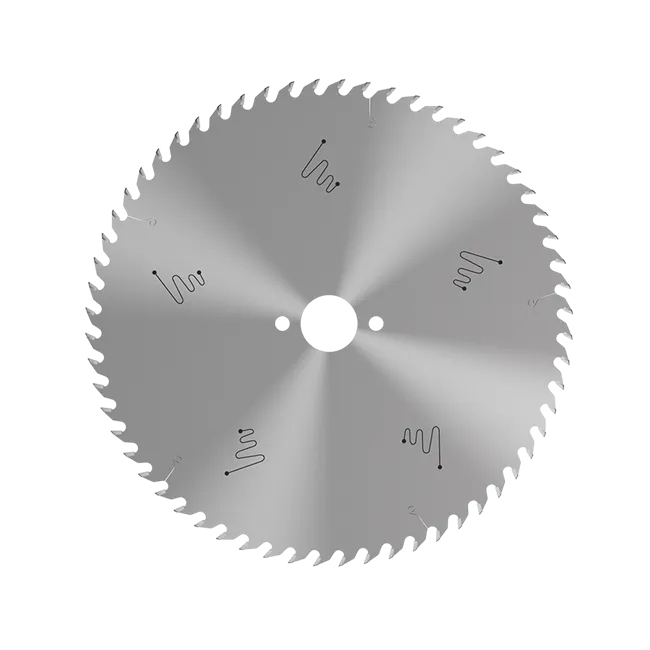
2. Optimize Thin-Kerf Technology for Cordless Tools When using lithium-battery circular saws, heavy, standard-kerf blades are the enemy of efficiency. Thick plates require massive torque to push through materials, draining batteries instantly and straining brushless motors. To maximize cutting speed and energy efficiency, transitioning to an ultra-thin design is paramount. By utilizing the 190mm Thin-Kerf Circular Saw Blade, you reduce the physical cutting area by up to 30%. This drastic reduction in cutting friction ensures the motor maintains optimal RPMs, delivering faster, cleaner cuts without overloading your power tool.
3. Master Cutting Speeds and Feed Rates Even the sharpest blade will fail if driven incorrectly. The feed rate (how fast you push the saw) must harmonize with the tool's RPM. Forcing the blade too quickly causes the motor to bog down and generates massive heat, warping the steel plate. Pushing too slowly causes the carbide tips to rub and burn the material rather than shear it. Always let the saw blade do the work; guide the tool steadily and listen to the motor. If the RPMs drop, slow your feed rate immediately.
4. Employ Proper Dry Lubrication for Non-Ferrous Metals When cutting sticky, non-ferrous metals like aluminum extrusions, friction is your biggest hurdle. Hot aluminum chips tend to weld themselves to the carbide teeth (a process called galling), instantly ruining cutting efficiency. While heavy industrial machines use liquid coolants, exposing portable lithium-battery tools to liquids is extremely dangerous.


Instead, professionals rely on specialized anti-galling tooth geometry combined with solid wax stick lubricants. The Aluminum Cutting Circular Saw Blade is engineered with a negative rake angle specifically to prevent material grabbing. When paired with a quick swipe of solid cutting wax, this blade delivers flawless, burr-free slices through aluminum profiles while keeping your cordless equipment completely dry and safe.
5. Strict Maintenance and Storage A clean blade is a cool-running blade. Resins from wood and adhesives from composite panels quickly build up on the steel plate, creating drag. Clean your blades regularly with a dedicated pitch and resin remover to restore their original efficiency. Finally, never stack carbide blades on top of each other in your toolbox. Tungsten carbide is incredibly hard but brittle; metal-on-metal contact will cause microscopic chipping on the cutting edges. Always store your blades in protective sleeves.
Conclusion Improving your cutting efficiency isn't just about pushing harder; it's about working smarter with the right metallurgy and blade geometry. By investing in premium thin-kerf accessories and practicing proper thermal management, you will drastically improve your cordless tool's performance. If you need assistance matching the perfect Nakamura blade to your specific applications, reach out to our technical team today!