


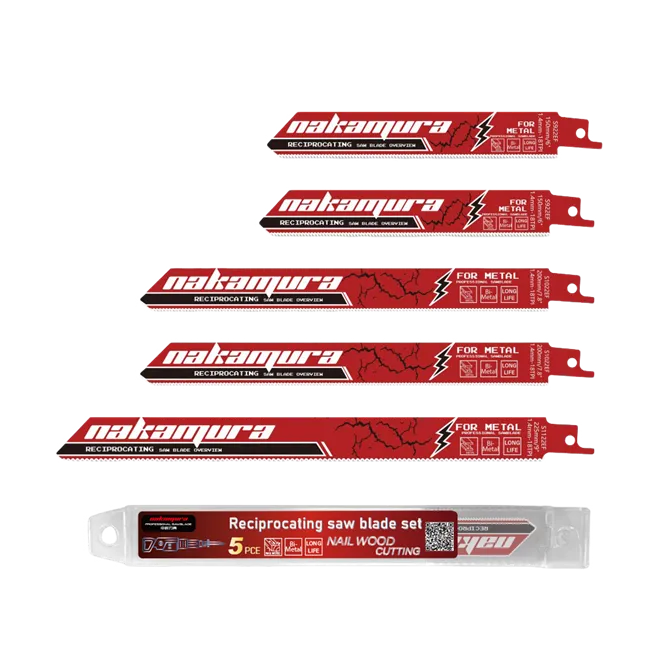
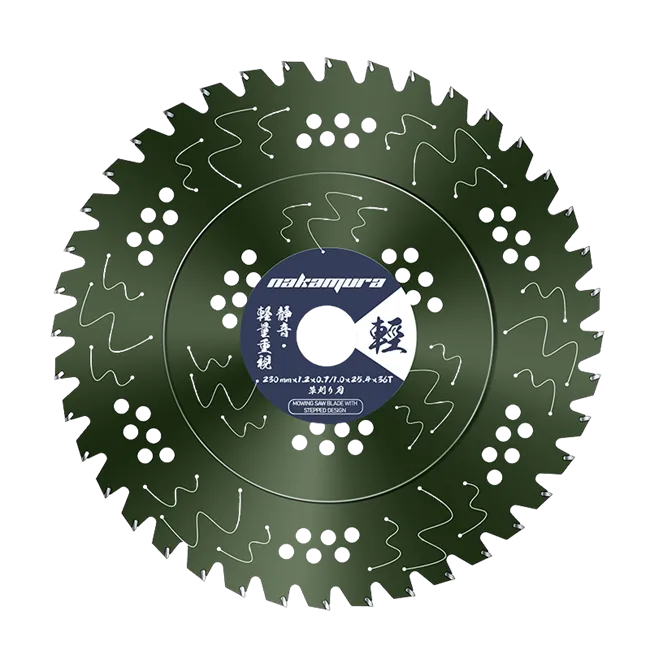
In the metal-cutting industry, carbide saw blades have emerged as indispensable tools, lauded for their durability and cutting precision. However, one persistent challenge associated with their operation is the high-level noise generated during the cutting process. This noise is not just a minor annoyance; it can lead to hearing impairment for operators, cause disturbances in the surrounding environment, and violate workplace noise regulations.
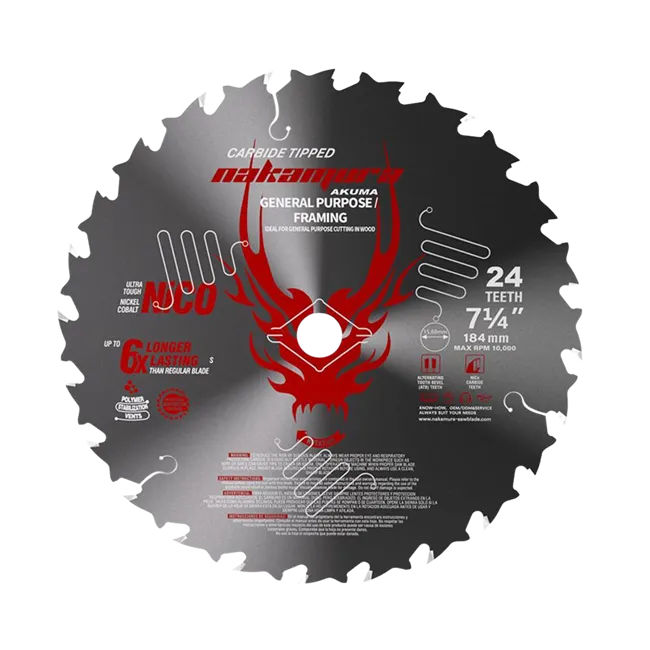
As a committed carbide saw blade supplier, we integrate advanced engineering solutions to minimize operational noise. To tackle demanding non-ferrous applications without excessive sound output, our Circular Saw Blade To Cut Aluminium incorporates innovative variable-pitch geometries designed to disrupt resonance.

Understanding the Source of Noise in Carbide Saw Blades
Before exploring noise-reduction technologies, it is crucial to understand the root causes of saw blade noise:
Mechanical Vibration: The interaction between the saw teeth and the workpiece causes periodic force variations. As teeth bite into metal, resistance creates vibrations that propagate through the blade body and radiate into the air as noise.
Friction and Heat: High-speed rotation creates continuous friction between the blade plate and the material, producing a high-frequency hissing or screeching sound.
Chip Collision: Ejected metal chips frequently collide with the blade body or machine components, escalating overall shop noise levels.
Advanced Cutting Noise Reduction Technologies
1. Blade Design Optimization (Variable Pitch Geometry)
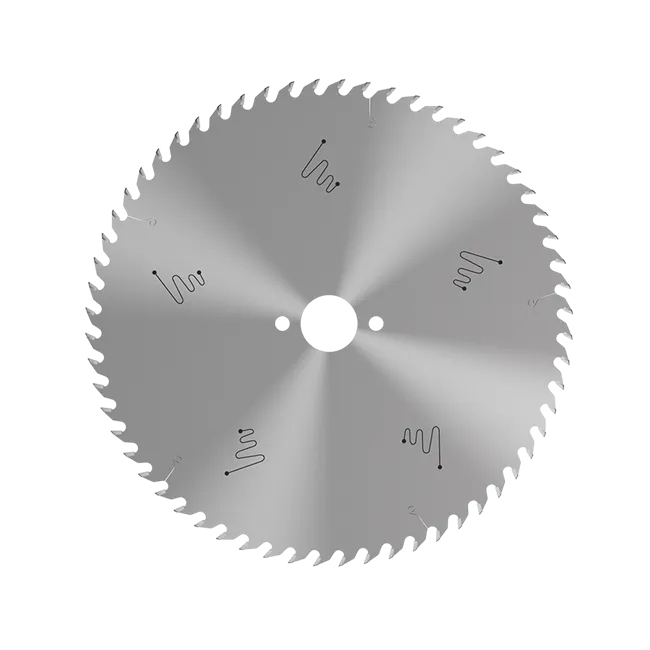
One of the primary ways to reduce noise is by optimizing tooth spacing. In a traditional saw blade, teeth are evenly spaced, creating a uniform vibration frequency that results in a loud, high-pitched whine (resonance).
By utilizing a variable pitch tooth design, the spacing between teeth varies irregularly. This disrupts the regular vibration pattern, effectively eliminating resonance and significantly lowering the noise level.
2. Internal Structural Damping
Adding damping mechanisms within the saw blade structure is an effective noise-suppression strategy.
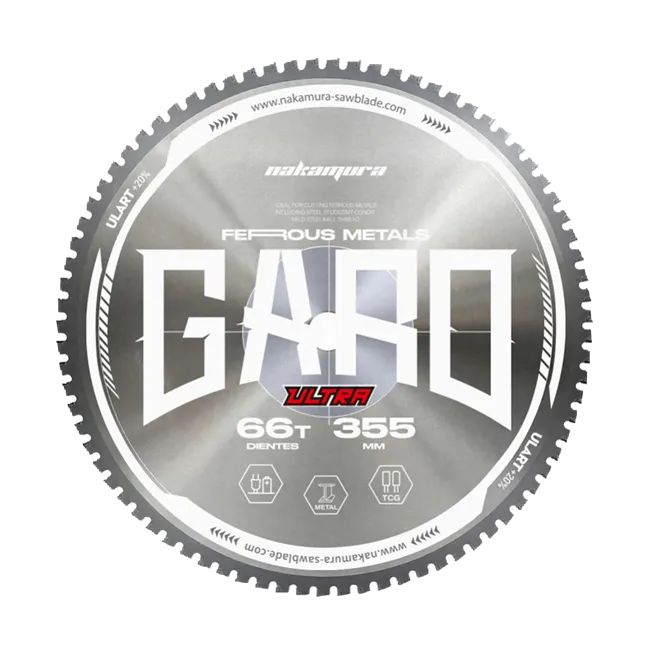
Many high-performance industrial blades utilize laser-cut body slots filled with resin or copper plugs. For maximum efficiency in heavy-duty production lines, our 10 Inch Aluminum Cutting Saw Blade uses advanced internal damping technology to dissipate vibrational kinetic energy as microscopic heat, controlling amplitude and noise output.
3. Advanced Anti-Friction Coatings
Friction is a major contributor to high-frequency cutting squeal.
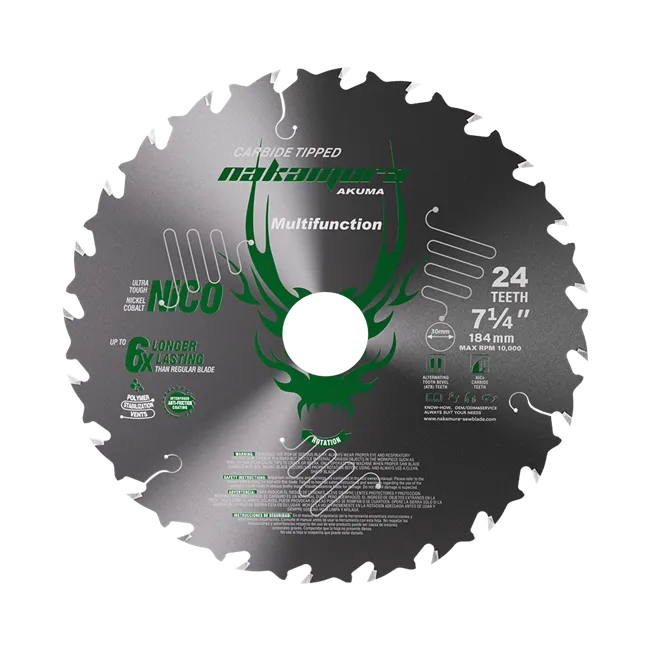
Applying low-friction physical vapor deposition (PVD) coatings-such as Titanium Nitride (TiN) or Diamond-Like Carbon (DLC)-allows the blade to slice through metal smoothly with reduced resistance, directly cutting down frictional noise. For extended tool life and quieter operation, our Multi Blade Circular Saw 147mm is engineered with these friction-reducing surface treatments.

Benefits of Quieter Cutting Operations
Implementing noise-reduction engineering delivers three major advantages to fabrication facilities:
- Operator Safety & Comfort: Quieter blades reduce the risk of permanent hearing damage, allowing operators to work comfortably and maintain higher focus.
- Environmental Compliance: Low-noise blades help companies easily comply with strict local and international industrial noise pollution regulations.
- Enhanced Product Quality: Reduced vibration directly correlates with better cutting precision, less material deformation, and superior edge finishes.
Conclusion
Mitigating saw blade noise is no longer optional in modern manufacturing-it is a core component of efficiency, safety, and precision. By combining optimized tooth pitch, internal body damping, and low-friction coatings, modern carbide blades deliver superior performance without the deafening screech.
Contact our team of experts today to find the right low-noise cutting solution tailored to your manufacturing requirements!