


When choosing a saw blade, you may come across terms such as carbide-tipped and solid carbide. Although both involve carbide materials, they are not the same construction, and understanding the difference can help you select the right cutting tool for your application.
The main factors to consider are blade construction, cutting requirements, material compatibility, durability, and overall cost.
What Is a Carbide-Tipped Saw Blade?
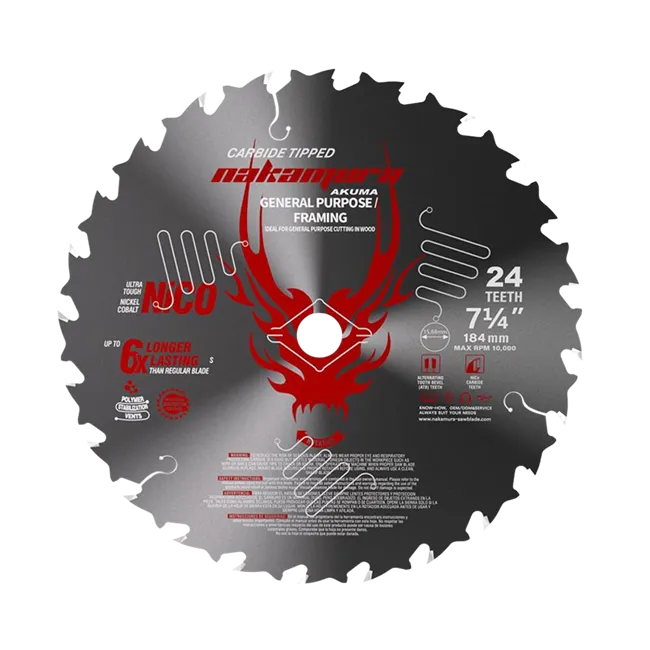
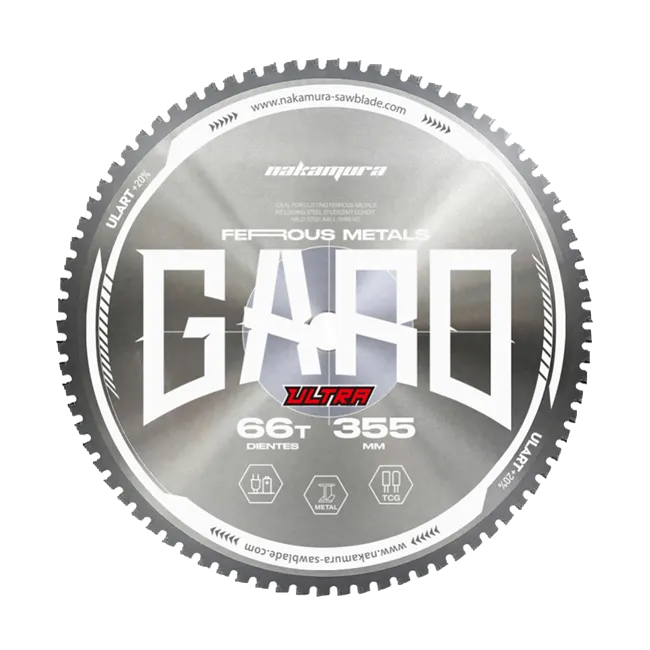
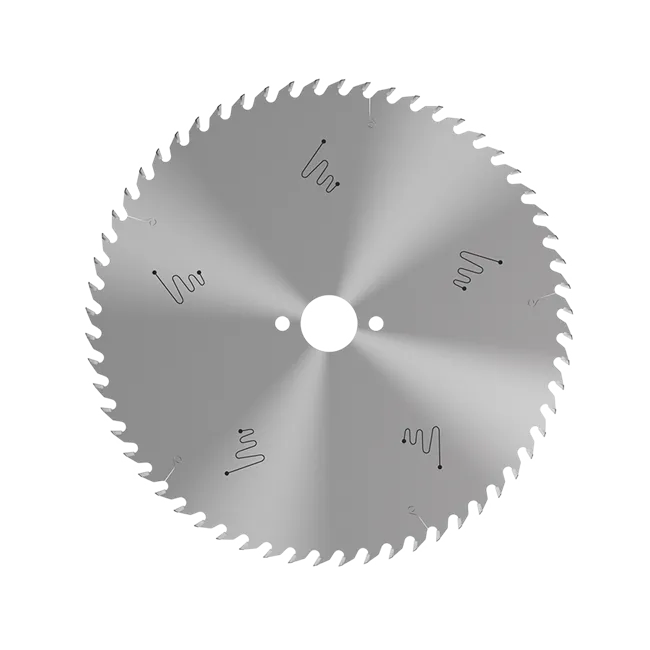
Carbide-tipped saw blades are widely used in woodworking and other cutting applications. They typically consist of a steel blade body with small tungsten carbide tips brazed onto the cutting teeth.
The steel body provides structural support, while the carbide tips form the cutting edges. Tungsten carbide offers high hardness and wear resistance, helping the teeth maintain their cutting performance during use.
One advantage of this construction is its balance of performance, durability, and cost. Depending on the blade design, carbide-tipped saw blades are available for cutting wood, plastics, non-ferrous metals, and other specified materials.
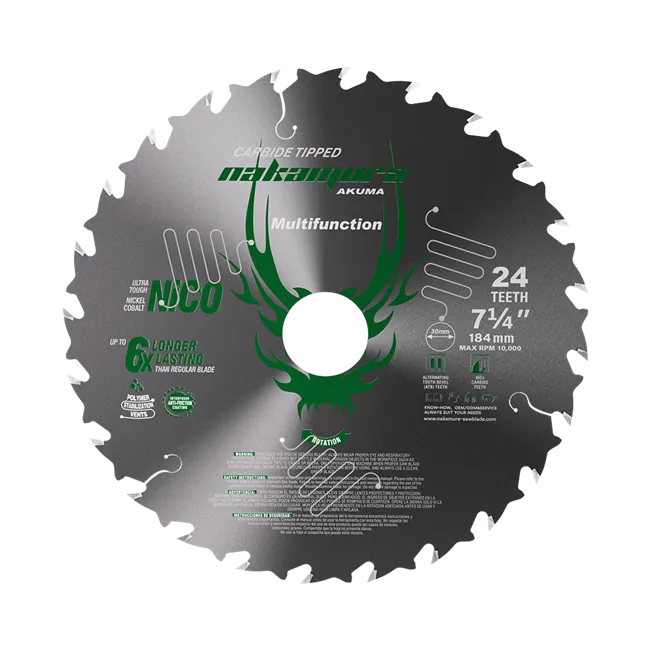
For general cutting applications, the Multi Purpose Chop Saw Blade is one option to consider. Always check its recommended materials and machine compatibility before use.
Like other cutting tools, carbide-tipped blades can be damaged by excessive feed pressure, incorrect operating conditions, or accidental impact. If the cutting edges become dull, professional sharpening may be possible depending on the blade's condition and design.
What Is a Solid Carbide Cutting Tool?
A solid carbide cutting tool is manufactured primarily from cemented carbide rather than using a conventional steel body with separately attached carbide tips. Cemented carbide typically combines hard carbide particles with a metallic binder.
Solid carbide tools are valued for their hardness and wear resistance in suitable applications. However, carbide is relatively brittle compared with steel, so tool design, impact resistance, and operating conditions must be considered carefully.
It is also important to distinguish solid carbide cutting tools from carbide-tipped circular saw blades. Solid carbide construction is common in certain specialized cutting tools, but most conventional carbide-tipped circular saw blades use a steel body with separate carbide teeth.
Therefore, buyers should verify the actual construction of a product rather than assuming that a blade is made entirely of carbide because it is described as a carbide saw blade.
Key Differences Between the Two
The most important differences relate to construction and intended use.
Construction: Carbide-tipped blades use a steel body with separate carbide cutting tips. Solid carbide tools use cemented carbide as the principal tool material.
Toughness and impact: Steel-bodied carbide-tipped blades combine a tough body with hard cutting edges. Solid carbide tools can offer excellent wear resistance but may be more vulnerable to impact or bending, depending on their design.
Cost: Carbide-tipped blades are widely available for everyday cutting applications. Solid carbide tools may involve higher material and manufacturing costs, although the actual price depends on the product and application.
Maintenance: Some carbide-tipped blades can be professionally resharpened. Solid carbide tools may require specialized grinding equipment. Whether sharpening is economical depends on the tool's design, condition, and remaining cutting material.
Neither construction is automatically better in every situation. The right choice depends on the cutting task and the requirements of the equipment.
Which Type Is Suitable for Your Application?
For many everyday circular-saw applications, a carbide-tipped blade is a practical choice. However, selecting the correct blade also requires considering the material being cut, the desired finish, and the saw's operating specifications.
For smaller circular saws and multi-material applications, the Multi Blade Circular Saw 147mm is one product to evaluate against your requirements.
For other applications, the 185mm Multipurpose Circular Saw Blade offers another option to compare when selecting a blade for compatible equipment.


Before purchasing, confirm the blade diameter, arbor size, maximum rated RPM, tooth configuration, and manufacturer-approved cutting materials. A multi-material blade should only be used on the materials specified by its manufacturer.
How to Choose the Right Saw Blade
Rather than choosing solely by price or the word "carbide," consider the following factors:
Material: Identify the exact material you need to cut, including its thickness and composition.
Cutting quality: Consider whether speed, surface finish, or dimensional accuracy is the priority.
Machine compatibility: Match the blade specifications to the saw and its rated operating speed.
Usage frequency: Evaluate initial cost, expected service life, and available sharpening services.
Maintenance and handling: Follow the manufacturer's installation, operating, and maintenance instructions to reduce the risk of damage.
The cheapest blade is not necessarily the most economical, and a more specialized tool is not always necessary for occasional work. Choosing a blade that matches the application is the most important first step.
Final Thoughts
Carbide-tipped saw blades and solid carbide cutting tools differ primarily in their construction and intended applications. Carbide-tipped circular saw blades combine a steel body with hard carbide teeth, making them a widely used option for many cutting tasks. Solid carbide tools are suited to particular applications where their material properties offer advantages.
Understanding the difference helps buyers evaluate products more accurately, avoid unsuitable applications, and make better decisions about performance, maintenance, and cost. Always check the actual product specifications and recommended uses before selecting a cutting tool.