


Wet cutting is widely used in metalworking to help control heat, reduce friction, and remove chips from the cutting area. This raises an important question for carbide saw blade users: Can carbide saw blades be used for wet cutting?
The answer depends on the blade design, the material being cut, and whether the saw and cooling system are suitable for wet operation.
How Does Wet Cutting Work?
During cutting, friction between the blade and workpiece generates heat. In continuous or high-speed cutting, excessive heat can affect cutting performance and accelerate blade wear.
Wet cutting uses a controlled flow of coolant, often water-based or formulated with lubricating and anti-corrosive additives, to help remove heat from the cutting zone. The coolant can also help carry chips away from the teeth and reduce material buildup.
Dry cutting, by contrast, relies on blade design, cutting parameters, and the blade's ability to manage heat without liquid coolant.
Can Carbide Saw Blades Be Used for Wet Cutting?
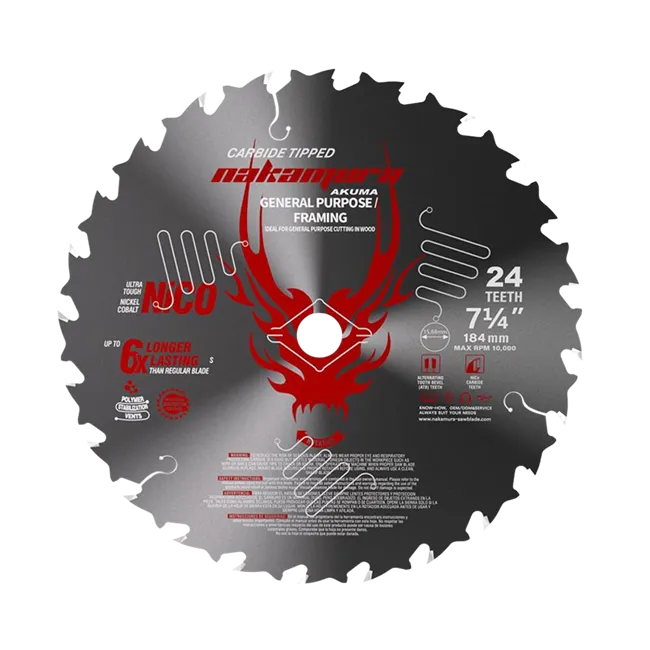
Carbide-tipped saw blades combine a steel body with carbide cutting tips. Carbide offers high hardness and wear resistance, making it suitable for a wide range of cutting applications.
However, not every carbide saw blade is automatically suitable for wet cutting. Tooth geometry, blade construction, material application, machine setup, and coolant conditions all need to be considered.
Users should therefore check the manufacturer's recommendations before using coolant with a particular blade.
Wet Cutting Aluminum with Carbide Blades
Aluminum is one material where coolant can be useful, especially in continuous or precision cutting applications. Aluminum chips can become sticky and may accumulate around the teeth when excessive heat is generated.
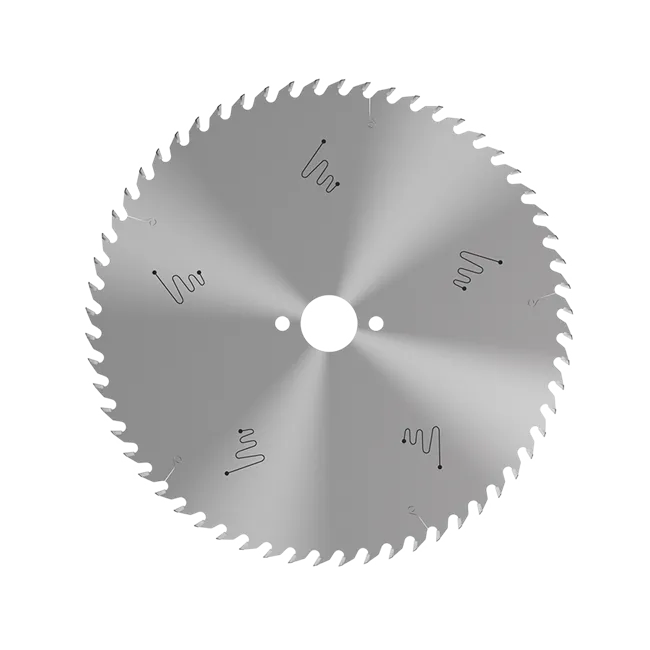
Using a blade specifically designed for aluminum can help provide more consistent cutting performance. The Circular Saw Blade To Cut Aluminium is designed for aluminum cutting applications where blade geometry needs to be matched to the material.
For larger industrial cutting applications, blade size and machine configuration are also important. The 900mm Saw Blade For Aluminum is a larger-format option for aluminum cutting applications.
The 10 Inch Aluminum Cutting Saw Blade is another option for aluminum cutting where the blade diameter needs to match the equipment and application requirements.

What About Steel and Other Materials?
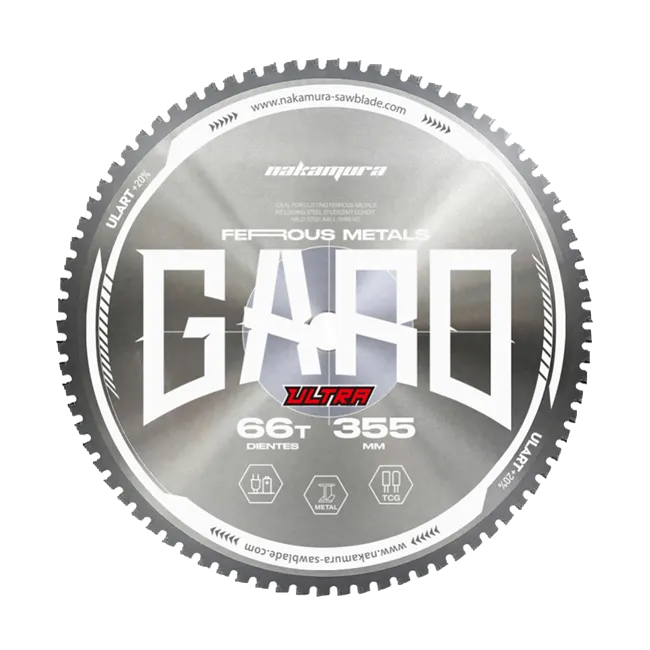
Wet cutting can also be used in some ferrous-metal applications, but the requirements are different from those for aluminum.
Steel produces different chip characteristics and cutting loads, so a blade specifically designed for steel should be selected rather than assuming that an aluminum-cutting blade is suitable.
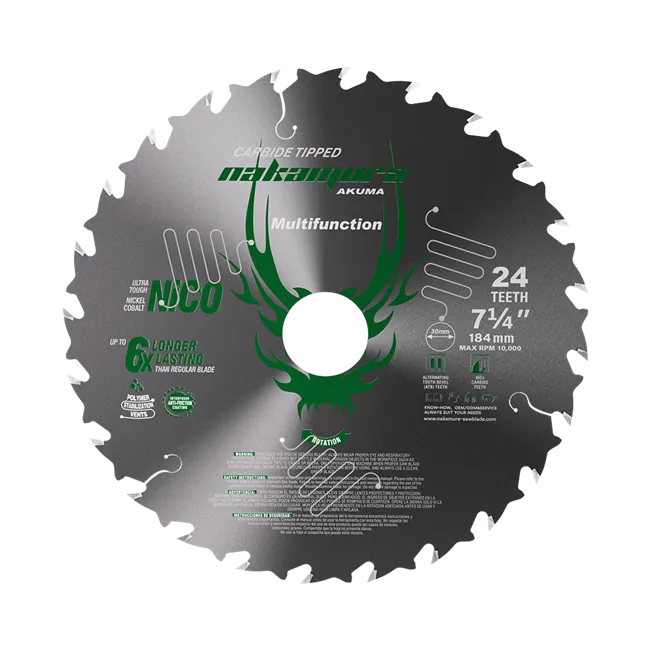
General-purpose carbide blades also need to be evaluated according to their intended application. A blade designed for wood, plastic, or multiple materials may have different operating requirements from a dedicated metal-cutting blade.
The coolant itself is another consideration. Its type and flow should be selected according to the material, cutting process, machine, and manufacturer's recommendations.
Wet Cutting Requires the Right Setup
Choosing the correct blade is only part of the process. Before using wet cutting, users should also confirm that the saw is designed or approved for coolant-assisted cutting.
Important factors include:
Material being cut
Blade tooth geometry and specification
Cutting speed and feed rate
Coolant type and flow
Machine compatibility
Chip removal
Blade and machine maintenance
After wet cutting, the blade and surrounding equipment should be cleaned and dried properly. This is particularly important because the steel body of a carbide blade may be susceptible to corrosion if exposed to moisture for extended periods.
Wet or Dry Cutting: Which Is Better?
Neither wet nor dry cutting is universally better. The appropriate method depends on the application.
Wet cutting can be useful when heat control, chip removal, or continuous production are important. Dry cutting may be more practical when coolant systems are unavailable or when the blade and machine are specifically designed for dry operation.
The key is to match the cutting method to the blade, material, and machine rather than choosing wet or dry cutting based on the carbide tips alone.
Choosing the Right Carbide Saw Blade
Carbide saw blades are available for different materials and applications. Selecting the appropriate blade specification and tooth design is essential for achieving stable cutting performance.
For users considering wet cutting, it is important to confirm the blade's intended application and the machine manufacturer's requirements before starting. A properly matched blade and cutting setup can help manage heat and chip buildup while maintaining consistent cutting results.
In short, carbide saw blades can be used in some wet cutting applications, but the blade, material, coolant, and machine must be properly matched. Understanding these factors is essential when choosing the right cutting method for a particular application.