

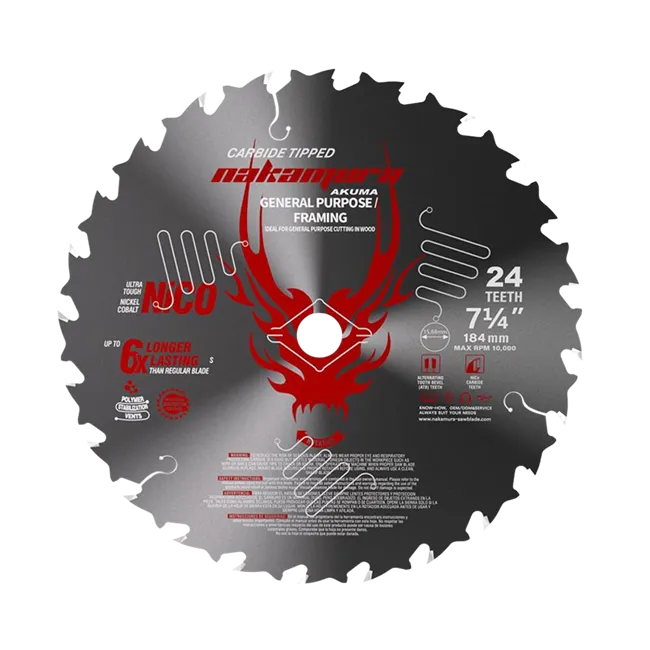
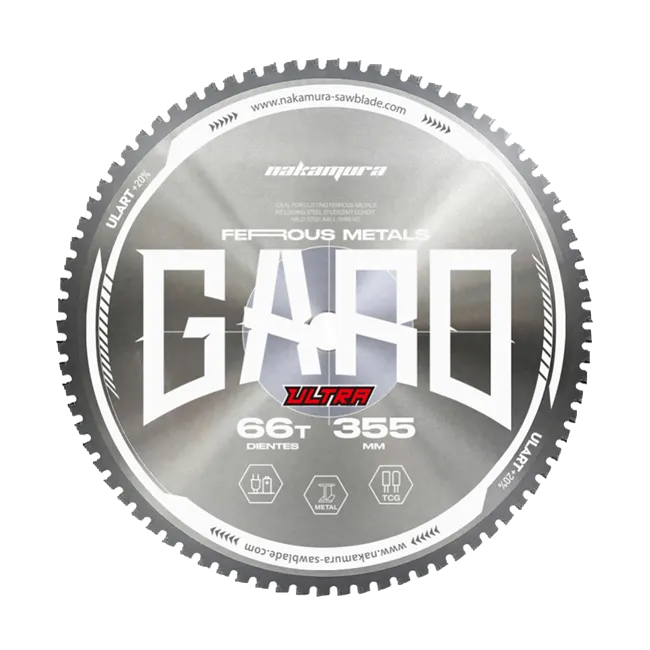
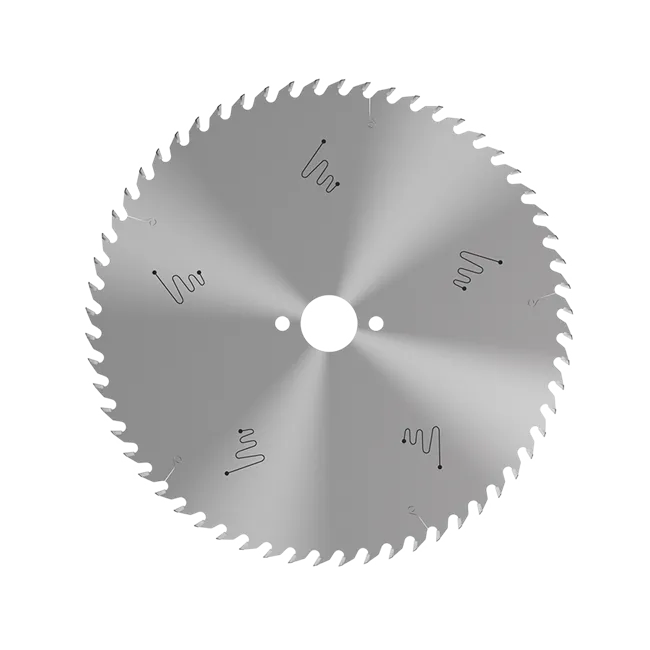
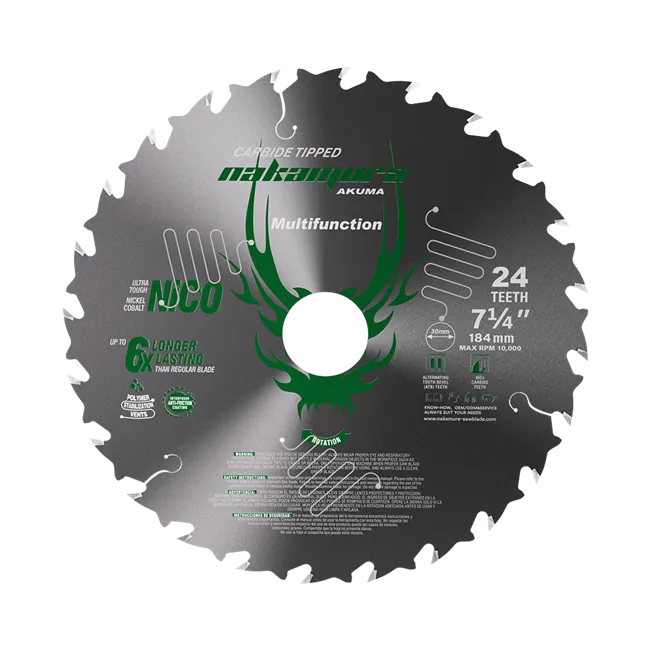

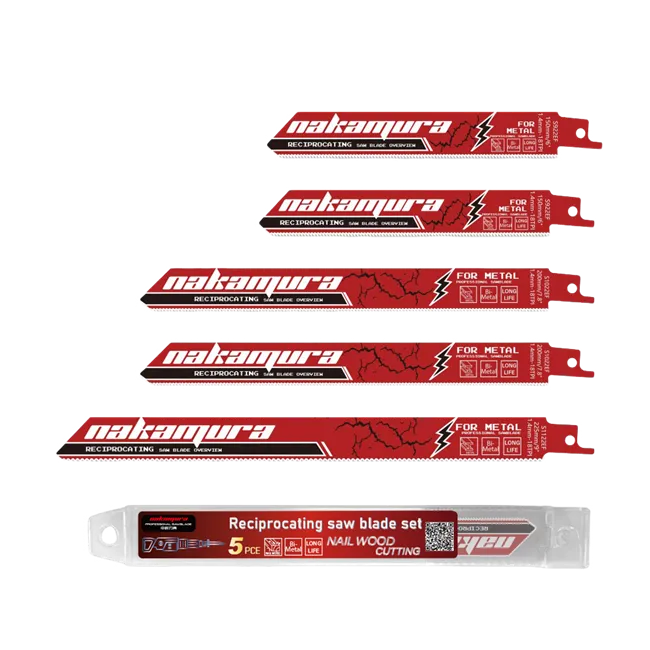
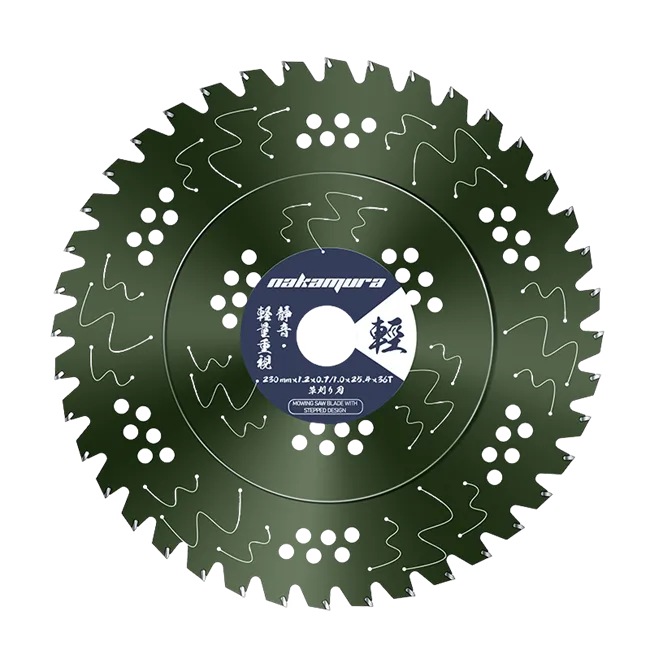
The lifespan of a carbide saw blade depends on several factors, including the material being cut, cutting frequency, operating conditions, and maintenance. A blade used occasionally for softwood may last much longer than one used daily on abrasive or demanding materials. Rather than relying on a fixed lifespan, it is important to understand what affects blade wear and how to extend service life.
What Affects Carbide Saw Blade Lifespan?
1. Material being cut
Different materials cause different levels of wear. Plastic can leave residue on the teeth, while abrasive materials and laminated boards can accelerate edge wear. Aluminum also requires a blade designed for non-ferrous metal cutting to help reduce material buildup and heat.
For plastic applications, a purpose-designed option such as the 7-1/4 Circular Saw Blade for Plastic can help provide suitable cutting geometry. For aluminum, a dedicated Aluminum Saw Blade for Circular Saw is more appropriate than a standard wood-cutting blade.
2. Cutting frequency and operating conditions
Frequent use naturally increases wear, but operating habits also matter. Excessive feed pressure, incorrect speed, vibration, or a poorly aligned blade can damage the cutting edges and reduce service life. Always check the blade's rated speed and ensure it is compatible with the machine and material.
3. Blade design
Specialized blades are designed around the properties of particular materials. A multipurpose blade offers flexibility when working with different compatible materials, while a dedicated blade may provide more suitable cutting performance for a specific application. The Multi Purpose Saw Blades can be considered when versatility is required, provided the materials and machine are within the blade's specifications.


How to Extend Blade Service Life
Keep the blade clean: Remove resin, plastic, or metal deposits using a cleaning method suitable for the blade.
Use suitable cutting parameters: Follow the manufacturer's recommended speed and feed rate, and avoid forcing the blade through the material.
Check the equipment: Make sure the blade is properly installed and the saw is in good working condition to minimize vibration.
Sharpen when appropriate: If the blade is designed to be resharpened, use a qualified service provider to maintain the correct tooth geometry.
Store carefully: Protect the cutting edges from impact, moisture, and contact with other tools.
When Should You Replace a Carbide Saw Blade?
Rough cuts, increased cutting resistance, unusual noise, visible tooth damage, or persistent overheating can indicate that a blade needs inspection, sharpening, or replacement. Do not continue using a blade with cracked, chipped, or loose cutting edges.
There is no single lifespan that applies to every carbide saw blade. The most useful estimate comes from the blade's actual application, workload, and maintenance history. Choosing a blade designed for the material and following the recommended operating instructions can help reduce premature wear, improve cutting consistency, and control overall replacement costs.