


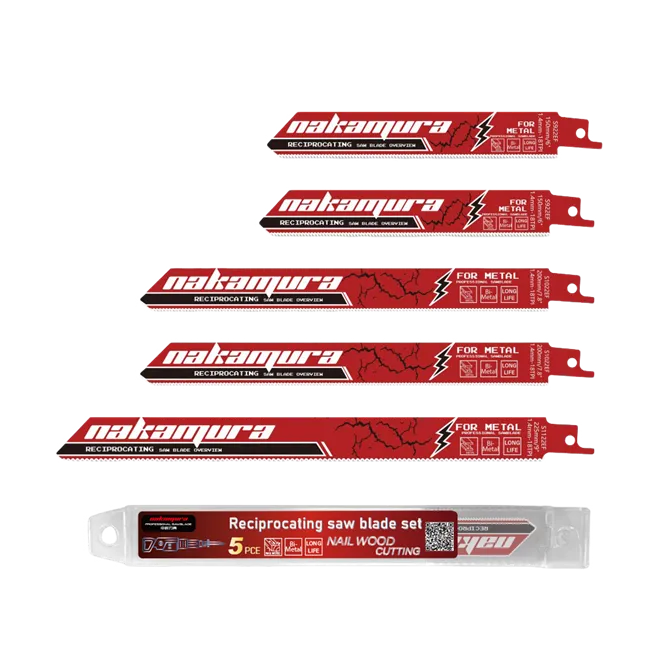
In modern industrial construction, processing abrasive composites such as fiber cement boards presents extreme thermodynamic and mechanical challenges. Procurement engineers and contractors frequently seek the most reliable cutting tools for these demanding substrates. However, industrial reliability is not determined by brand prestige alone; it is fundamentally dictated by metallurgy, advanced manufacturing processes, and precise tooth geometry. Understanding the physics of abrasive cutting is essential for maintaining occupational safety and operational efficiency.
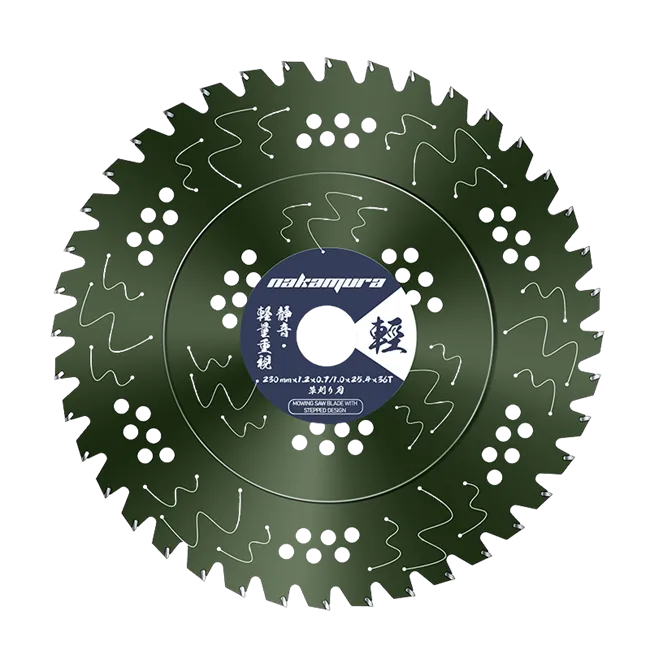
The Metallurgy of Abrasive Resistance Fiber cement contains a high concentration of silica, a highly abrasive compound that rapidly degrades standard cutting edges. While Polycrystalline Diamond (PCD) is the undisputed standard for pure fiber cement processing, mixed-material job sites demand versatile resilience. To address this, specialized Cermet Tipped Circular Saw Blades are engineered with a high-tech composite of ceramic and metallic binders. By abandoning outdated hot-press methods in favor of state-of-the-art laser welding technology, the cermet tips are fused to the alloy steel body with uncompromising strength. This ensures the teeth withstand the severe mechanical shock of dense cementitious boards without shearing off.
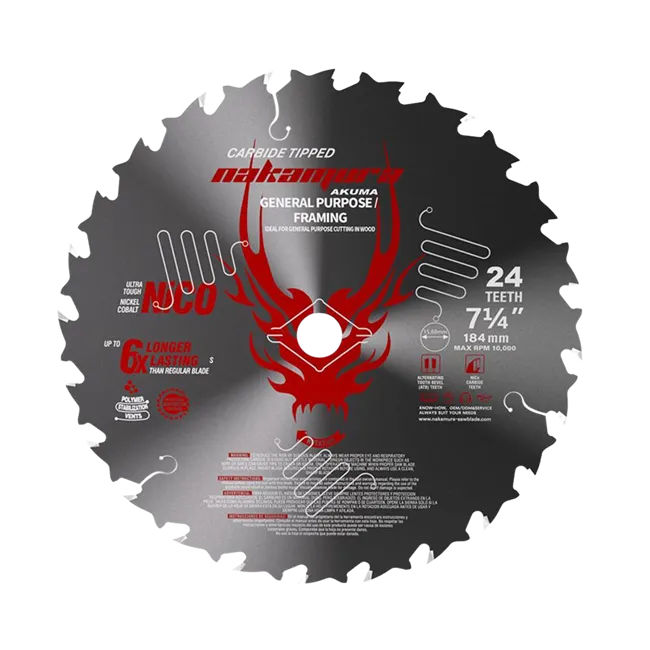
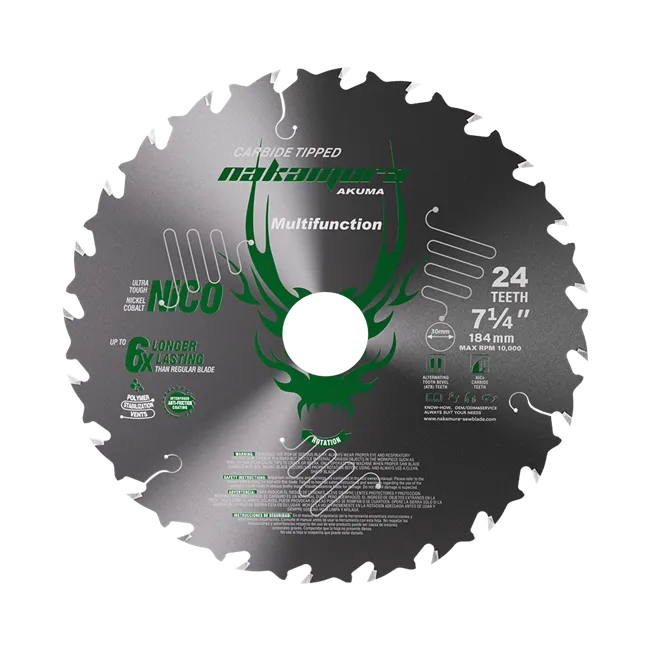
Tooth Geometry and Dust Mitigation Protocols A pervasive and dangerous misconception in the industry is that higher tooth counts yield smoother cuts in fiber cement. In reality, utilizing dense tooth configurations on silica-rich materials generates catastrophic frictional heat and lethal clouds of respirable crystalline silica (violating OSHA safety standards). When selecting cross-functional tools like a Multipurpose Saw Blade 190mm, operators must ensure the tooth pitch is optimized for aggressive chip evacuation rather than fine dust creation. True fiber cement applications mandate ultra-low tooth counts (typically 4T to 8T) to produce heavy, manageable chips and minimize hazardous airborne particulates.

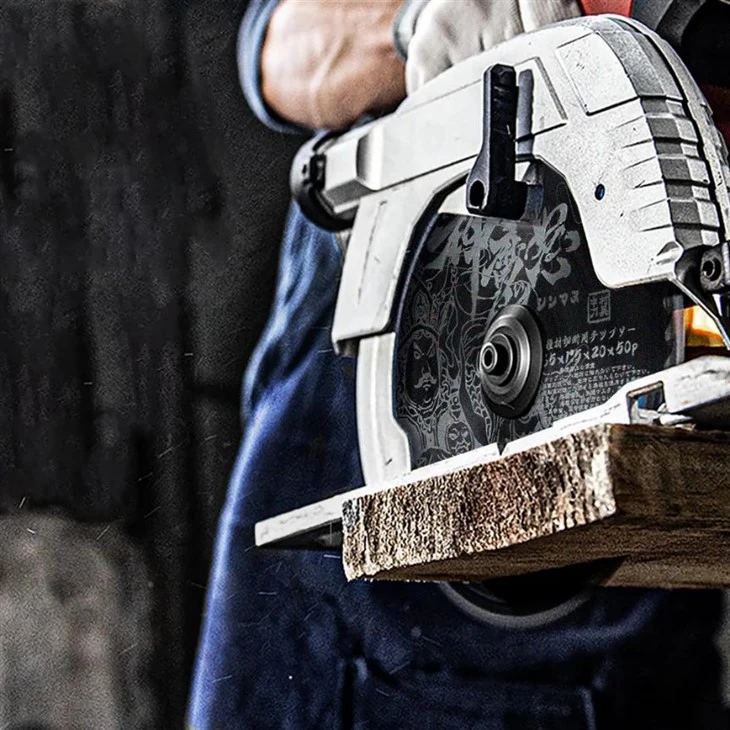
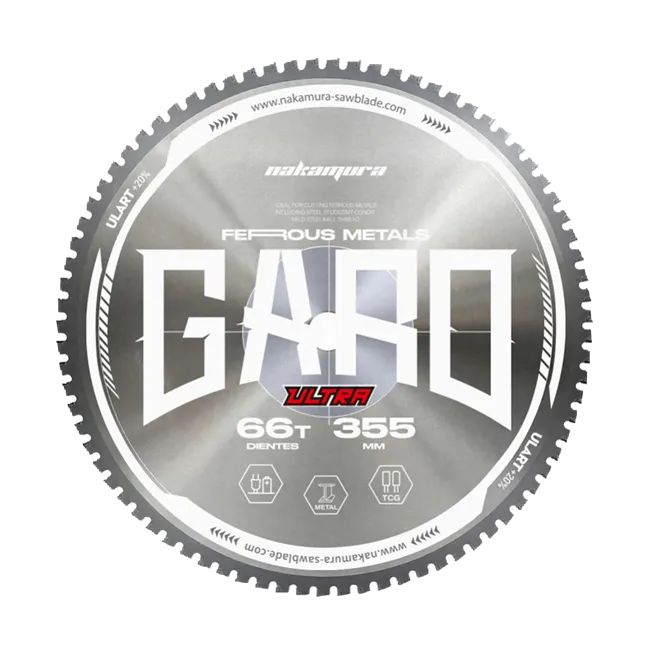
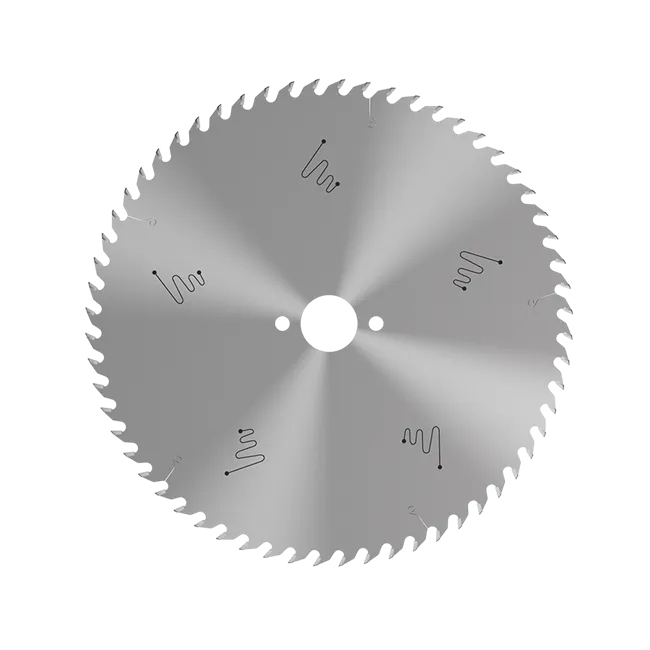
Harmonic Resonance and Thermal Management The extreme density of fiber cement induces severe kinetic vibration during the cutting cycle. Unmanaged harmonic resonance destroys the surface finish and exponentially accelerates tool wear. Advanced acoustic dampening technologies-often pioneered in heavy-duty ferrous processing tools like Silent Cermet Metal Chop Saw Blades-are critical. These include precision laser-cut expansion slots infused with dampening resins. This architectural design absorbs thermal expansion and dampens structural ringing, maintaining core flatness and extending the operational lifecycle of the blade.
Rigidity and Machine Compatibility Plate thickness (kerf and body) plays a pivotal role in maintaining trajectory during heavy-duty ripping. A thicker steel plate resists warping under heat stress but demands higher motor torque. Conversely, thin-kerf designs reduce material waste and battery draw for cordless tools but require superior metallurgical tensioning to prevent deflection. The choice relies heavily on the specific saw machinery deployed on-site.
Conclusion for B2B Procurement Selecting a reliable fiber cement saw blade is an exact science governed by material density and chip formation mechanics. Professional operations must prioritize laser-welded structural integrity, correct tooth counts for dust mitigation, and effective thermal management. By aligning these engineering specifications with your operational requirements, industrial fabricators can guarantee strict adherence to safety standards and maximize production yield.