

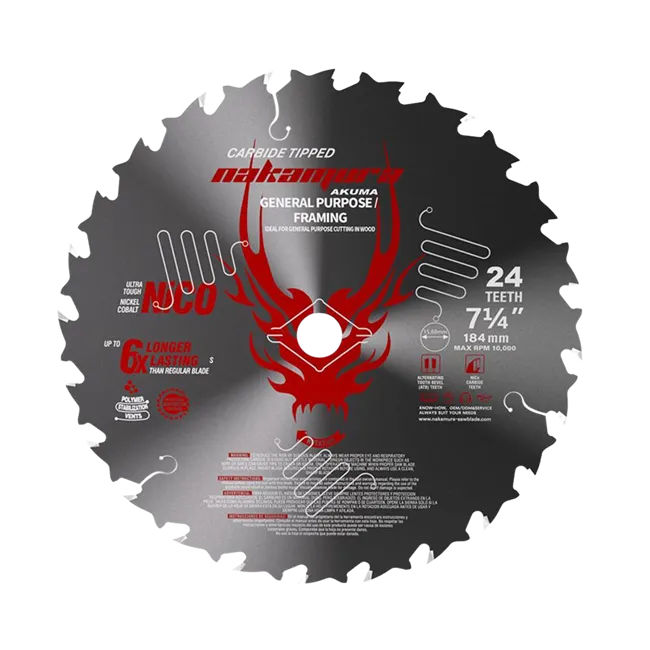
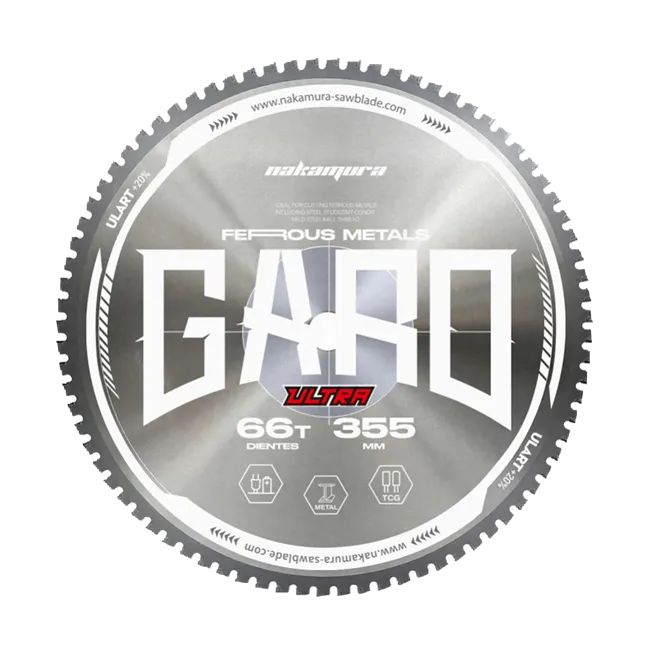
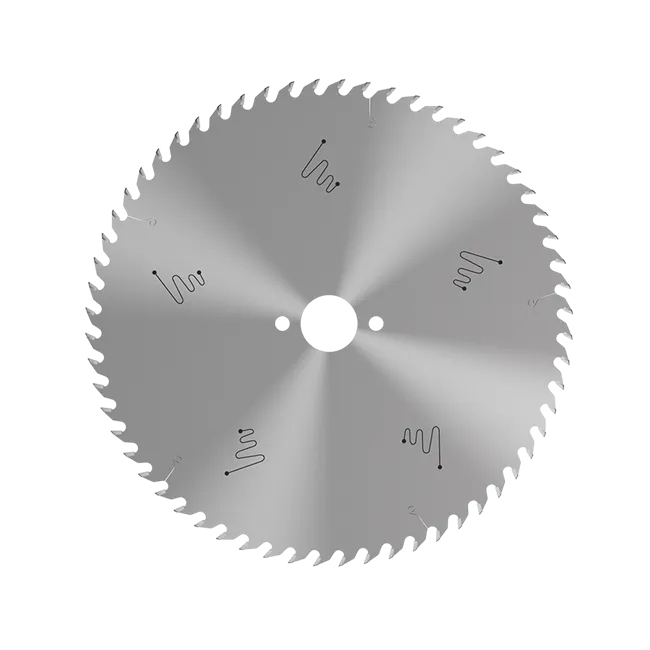
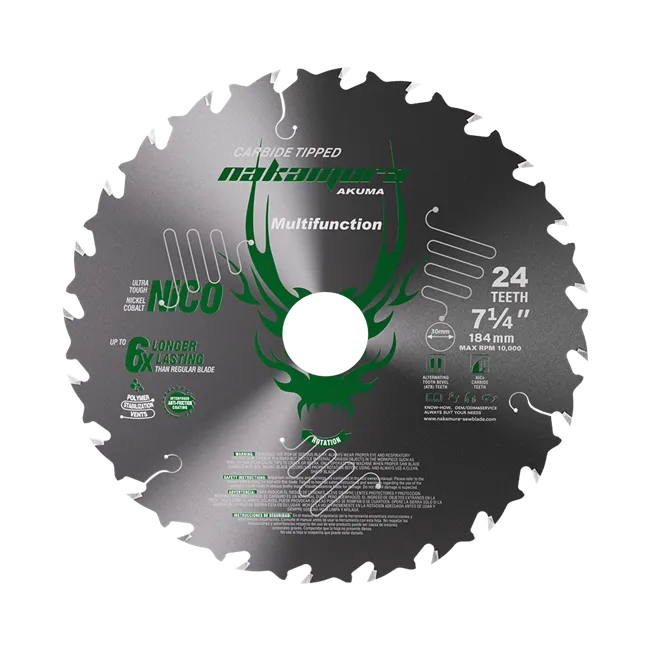

In industrial production, construction, and home DIY fields, the cutting machine is a highly utilized and essential tool. The timely and correct replacement of its saw blade directly affects machining precision, tool lifespan, and, most importantly, the operator's life safety. This article details how to standardize and safely replace a cutting machine saw blade.
I. Preparation (Safety Core)
Before replacing the saw blade, safety must be the top priority:
- Disconnect the Physical Power: Never rely solely on turning off the machine switch. You must unplug the power cord, or if it is a cordless tool, you must remove the battery pack to completely eliminate the risk of accidental startup.
- Clean and Inspect: Place the cutting machine on a stable, dry surface. Prepare a brand-new saw blade that matches the machine's specifications (outer diameter, arbor hole size, and maximum RPM) and the dedicated wrench.
II. Removing the Old Saw Blade
- Retract or Secure the Guard: Depending on the model, move the safety guard to the clearance position (some models have a guard fixing screw that needs to be loosened slightly, but never remove the guard completely).
- Lock the Spindle: The spindle of a cutting machine rotates freely. Before removal, you must press the "Spindle Lock Button" on the machine; if there is no lock button, use an open-ended wrench to hold the spindle flats to keep it from turning.
- Loosen the Flange Nut: While the spindle is locked, use the dedicated wrench to unscrew the outer flange nut and pressure plate in the loosening direction (Note: Some models use left-handed threads, meaning you must turn clockwise to loosen).
- Remove the Old Blade: Carefully take off the old blade. The blade may be hot after recent use and has sharp edges; always wear cut-resistant gloves for this operation.

III. Installing the New Saw Blade
- Clean the Contact Surfaces: Use a brush to clean dust and debris from the inner flange, outer flange, and spindle. Never apply any lubricating oil here. The flanges rely on friction to clamp the blade; oil contamination will cause the blade to slip and create a severe hazard.
- Inspect the New Blade: Confirm that the new saw blade has no cracks, deformations, or missing teeth.
- Verify Rotation Direction (Critical Step): Carefully observe the arrow printed on the surface of the new blade. You must ensure that the arrow on the blade points in the exact same direction as the rotation arrow marked on the machine's safety guard or body. Installing it backward will destroy cutting efficiency and may cause the blade to shatter.
- Reassemble and Fasten: Slide the new blade onto the spindle against the inner flange, place the outer flange, and thread the nut by hand. Engage the spindle lock again and tighten the nut firmly with the wrench. Use moderate force-ensure it is secure, but avoid over-tightening which can strip the threads.
IV. Adjustment and Testing
- Adjust the Cutting Angle or Depth: Adjust the machine's miter/bevel angle (e.g., for 0°–45° joints) or cutting depth according to your project requirements. (Note: Angle adjustment only changes the cut geometry, not the cutting speed, which is determined by motor RPM and feed force).
- Mechanical Check: Release the spindle lock, and manually rotate the blade a few turns by hand to ensure it spins smoothly, does not wobble, and does not rub against the safety guard.
- Test Run: Plug the machine back in or re-install the battery. Turn on the machine and let it idle for 1–2 minutes without contacting any material. The operator should stand to the side of the machine (out of the blade's rotational path) to observe for any abnormal noise, severe vibration, or looseness. Proceed to actual cutting only after confirming everything is normal.

V. Precautions
- No Live-Wire Operation: Whenever touching the saw blade, the machine must be completely disconnected from its physical power source.
- Never Exceed Speed Ratings: The "Max RPM" specified on the saw blade must be higher than the no-load speed of the cutting machine.
- Avoid Oil Contamination: While the internal gearbox requires regular oil maintenance, the flanges clamping the blade and the blade surface itself must strictly remain free of oil and grease.