

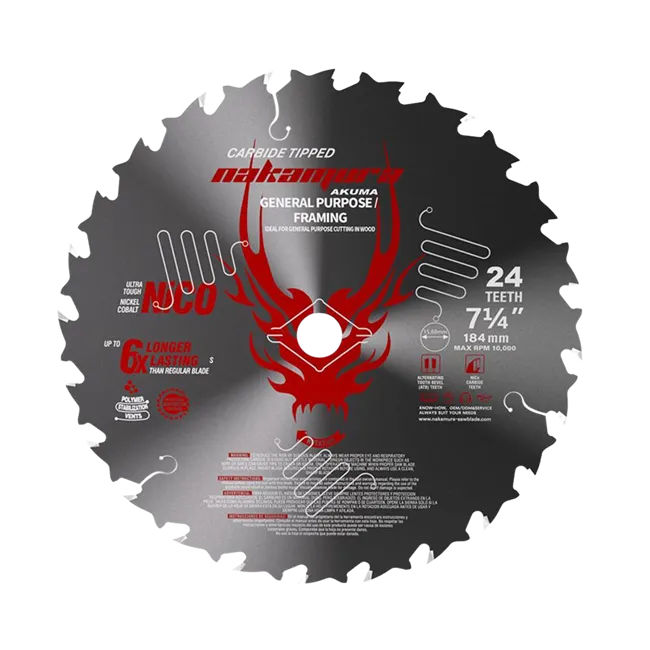
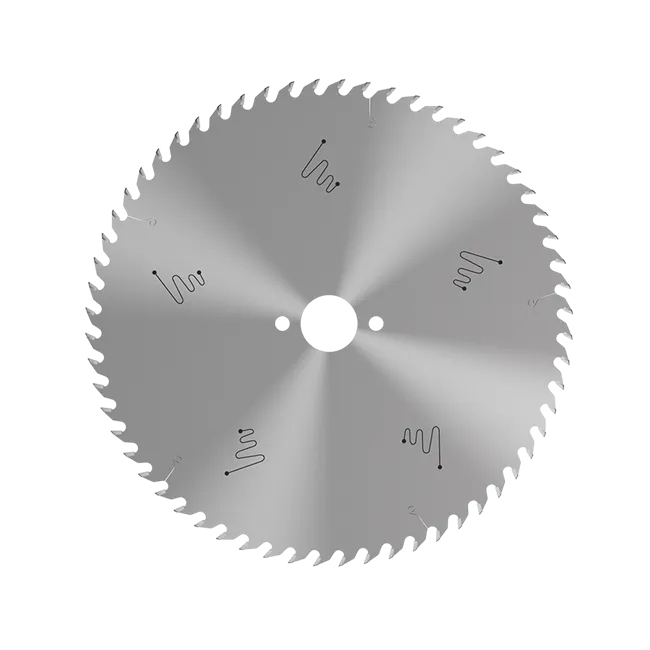
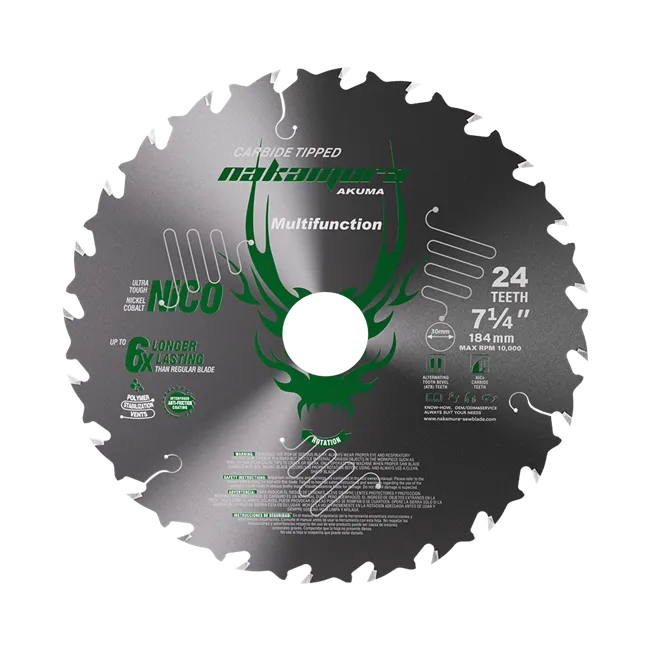


In modern construction and woodworking processes, saw blades are the most critical cutting accessories that come into direct contact with the materials. As the saying goes, "Sharpening your axe will not delay your job of cutting wood." To maximize the efficiency of your power tools, understanding the blades is essential. The selection of a saw blade profoundly impacts subsequent machining, making it crucial to understand their specifications, usage, and maintenance across various job site environments.
Material Durability and Advanced Geometries Based on the materials being cut, saw blades come in various compositions. For standard woodworking, Tungsten Carbide Tipped (TCT) blades are the absolute industry standard. However, modern construction often involves highly abrasive materials, composites, or mixed media. For these extreme conditions, the 125mm PCD Diamond Saw Blade stands out. By utilizing advanced vacuum brazing technology to expose more diamond grit, this blade provides unparalleled wear resistance and a significantly longer lifespan when tackling tough, abrasive materials that would quickly dull standard carbide.


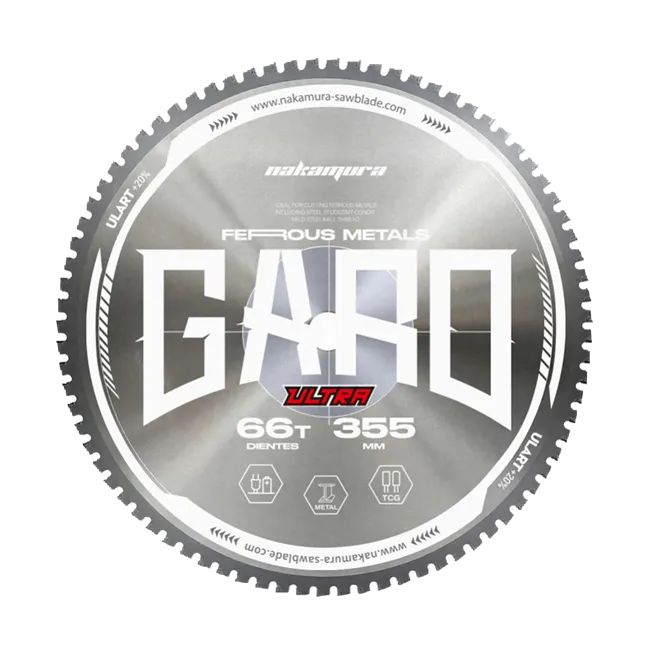
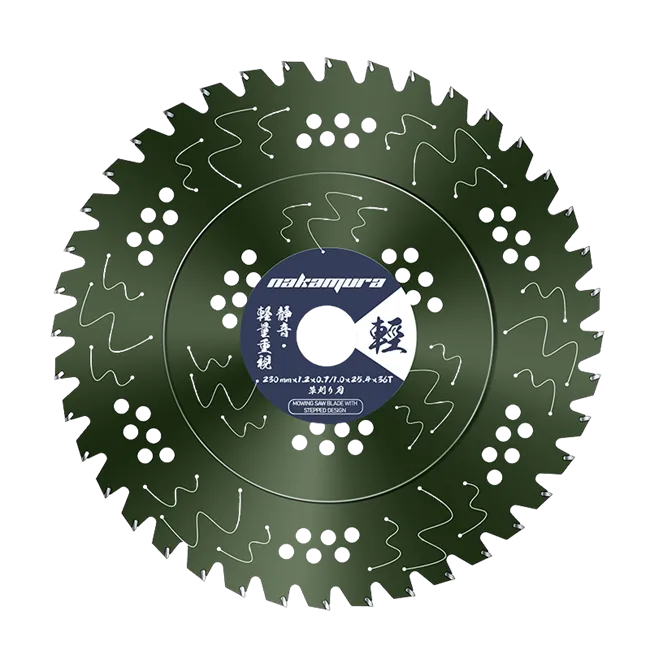
Handling Metals and Mixed Materials On a versatile job site, operators frequently encounter metal fixtures, steel pipes, or nail-embedded wood. Traditional woodworking blades generate excessive heat and sparks when hitting metal, ruining the temper of the teeth. To solve this, the Cold Cut Metal Saw Blade is engineered with a specialized cermet (ceramic-metal) formulation. This design allows the blade to slice cleanly through metals at high speeds while dissipating heat effectively, leaving a cool-to-the-touch, burr-free edge without the need for messy liquid coolants on portable tools.
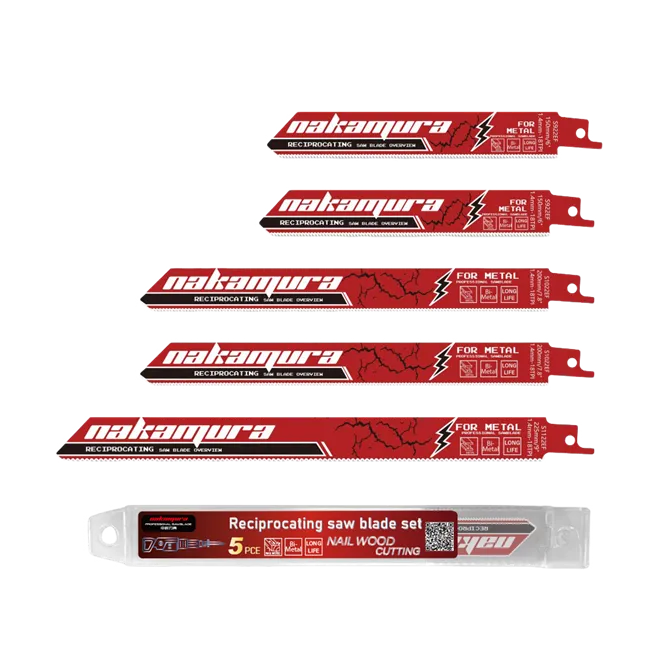
Versatility in Demolition and Tight Spaces While circular saws handle straight, accurate panel cuts, remodeling and demolition tasks require a completely different approach. When cutting out old window frames, plunge-cutting through walls, or working in confined spaces where a circular saw cannot fit, the Carbide Reciprocating Saw Blade is the ultimate problem solver. Equipped with impact-resistant carbide teeth, it delivers aggressive cutting power through wood, plastic, and heavy metals, enduring the severe vibrations of a reciprocating saw without losing its edge.
Installation and Safety Requirements To ensure safety and optimal performance across all blade types, follow these steps during installation:
Ensure the power tool is in good condition with a stable spindle and no radial runout.
Inspect the blade for any damaged teeth, missing grit, or body warping before use.
Align the directional arrow on the blade with the rotation direction of the tool's spindle.
Keep the arbor and flanges clean. Ensure the flange diameter is appropriate to support the blade body properly, and tighten the arbor nut securely.
Before cutting, run the saw idle for a few moments to ensure there is no abnormal vibration, slipping, or wobbling.
Usage and Maintenance During operation, ensure the workpiece is firmly secured. Feed the saw steadily without applying lateral pressure or attempting curved cuts with a standard circular blade. Avoid aggressive, impact-heavy plunge cuts to prevent tooth damage or dangerous kickback. If you notice abnormal noise, excessive vibration, or burning smells, stop immediately and inspect the blade. Keep the chip exhaust clear to prevent overheating and ensure maximum efficiency.