


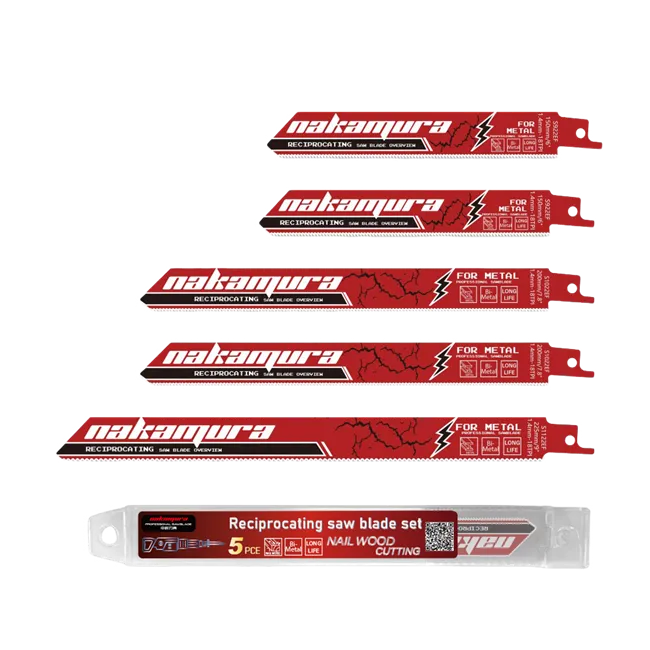
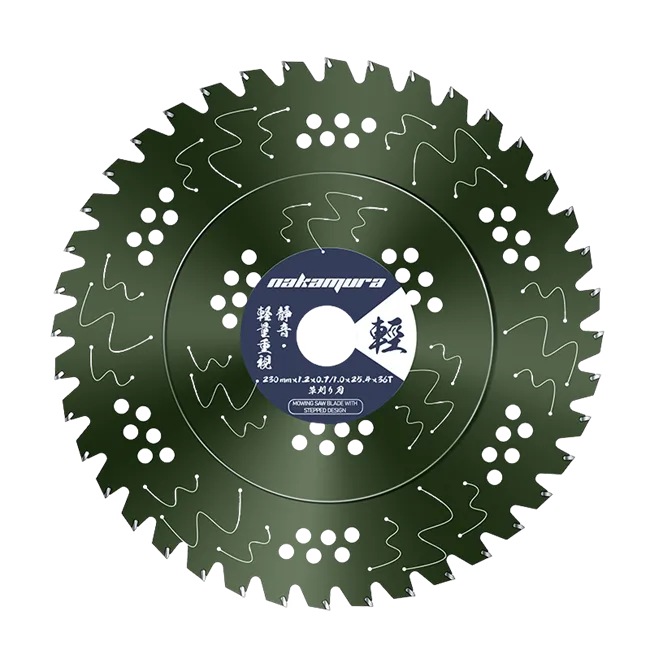

If you have ever used a weed eater, also known as a string trimmer, to clean up overgrown grass and yard edges, you have probably noticed the sound it makes. A standard nylon line produces a familiar high-speed whir, while a steel blade may create a different cutting sound depending on its design and the material being trimmed.
As steel weed eater blades become an option for more landscaping applications, one question comes up frequently: Do steel blades make more noise than string trimmer line?
The answer is not always straightforward. Noise levels depend on several factors, including the trimmer itself, operating speed, blade or line design, cutting conditions, and the distance from the equipment. Let's look at what influences the sound and what you should consider before choosing between the two.
1. How String Trimmers and Steel Blades Work
A traditional string trimmer uses a rotating head fitted with flexible nylon line. As the line spins, its outer edge cuts grass and lighter vegetation through repeated contact.
A steel trimmer blade uses a rigid metal cutting edge. Depending on its shape and tooth configuration, it can be designed for particular vegetation-cutting applications, including some types of heavier weeds and brush.
Because the two cutting systems work differently, they can produce different sound characteristics. However, it is not accurate to assume that every steel blade is louder than every nylon line. The sound also depends on the machine's motor, rotating components, operating speed, and the resistance encountered during cutting.
It is important to check whether a trimmer is specifically approved for use with a steel blade. Not every string trimmer can safely accept a metal cutting attachment.
2. What Determines the Noise Level?
Several factors influence how loud a trimmer sounds during operation.
Operating speed
The rotational speed of the cutting head affects the sound produced by the equipment. Higher operating speeds can change both the pitch and intensity of the noise. However, the correct speed must always follow the equipment manufacturer's instructions.
Blade or line design
Nylon line diameter, shape, and length can influence airflow and cutting noise. Steel blade diameter, thickness, tooth geometry, and overall construction can also affect sound and vibration.
Cutting material
Cutting soft grass is different from working through dense weeds or woody vegetation. Greater cutting resistance can change the sound and vibration of the equipment. Contact with rocks, concrete, fences, or other hard objects can also produce sudden impact sounds and may damage the cutting attachment.
Equipment condition
A worn trimmer head, loose mounting components, damaged blade, or poorly maintained machine can create additional vibration and noise. Proper installation and maintenance are important for both performance and safety.
For these reasons, there is no single decibel figure that applies to all steel blades or all string trimmers.
3. Understanding Decibels and Hearing Protection
Noise is commonly measured in decibels (dB). Because the decibel scale is logarithmic, even a relatively small numerical difference can represent a meaningful change in sound energy.
For example, a 3 dB increase represents approximately twice the sound energy. It does not necessarily mean that people perceive the sound as twice as loud.
Occupational noise exposure also depends on how long someone is exposed. According to the National Institute for Occupational Safety and Health (NIOSH), the recommended occupational exposure limit is 85 dBA averaged over an eight-hour workday. NIOSH recommends reducing allowable exposure time as noise levels increase.
OSHA also has workplace noise requirements. Its general industry standard uses an 85 dBA eight-hour time-weighted average as the action level for a hearing conservation program, while its permissible exposure limit is 90 dBA over eight hours.
These figures are occupational exposure guidelines, not a guarantee that any particular trimmer is safe to use without hearing protection.
For landscaping professionals who operate outdoor power equipment regularly, hearing protection and proper noise exposure management are important. If you use a trimmer frequently, follow the equipment manufacturer's safety instructions and applicable workplace requirements.
4. Can Steel Blades Be Quieter Than String?
It is possible for one steel blade and trimmer combination to produce less noise than a particular string setup under specific conditions. However, this does not establish that steel blades are generally quieter.
The comparison needs to be made under controlled and consistent conditions. For example, both cutting systems should be tested using compatible equipment, comparable operating speeds, the same measurement distance, and similar cutting materials.
It is also important to distinguish between different types of noise:
Continuous operating noise: The sound produced while the equipment is running.
Cutting noise: Changes in sound as the line or blade contacts vegetation.
Impact noise: Sudden sounds caused by contact with hard objects or other unexpected obstacles.
Vibration-related noise: Additional sound that may result from loose components, poor installation, or damaged equipment.
Without measurements taken under comparable conditions, claims such as "steel blades are only 2–3 dB louder" or "string produces louder peak noise" should not be treated as established facts.
If noise is a major concern, the most reliable approach is to compare the actual equipment combinations you intend to use.
5. Why Blade Design and Manufacturing Quality Matter
Although blade design alone cannot guarantee quieter operation, manufacturing quality plays an important role in the stability and consistency of a rotating cutting attachment.
For steel trimmer blades, relevant factors include:
Material and heat treatment: These influence the blade's strength and durability.
Blade geometry: The design should match the intended vegetation-cutting application.
Dimensional accuracy: Correct dimensions are essential for compatibility with the equipment.
Balance and concentricity: Proper manufacturing and installation help reduce unwanted vibration.
Mounting quality: The blade must be securely installed according to the equipment manufacturer's requirements.
These considerations are important when selecting a replacement blade. However, a blade should not be marketed as noise-reducing unless its noise performance has been measured and supported by appropriate comparative testing.
The same attention to manufacturing precision is also relevant to other cutting tools. For woodworking applications, Nakamura offers several circular saw blades with different cutting designs:
Wood Cutting Circular Saw Blade – A TCT blade with ATB teeth for cutting wood, OSB, MDF, and other wood-based materials.
Plywood Fine Finish Circular Saw Blade – Designed for fine woodworking applications, with optimized tooth geometry and vibration-reducing slots for smoother cutting.
184mm Circular Saw Blade for Wood – Features laser-cut, resin-filled vibration slots designed to reduce vibration and wobble during wood cutting.
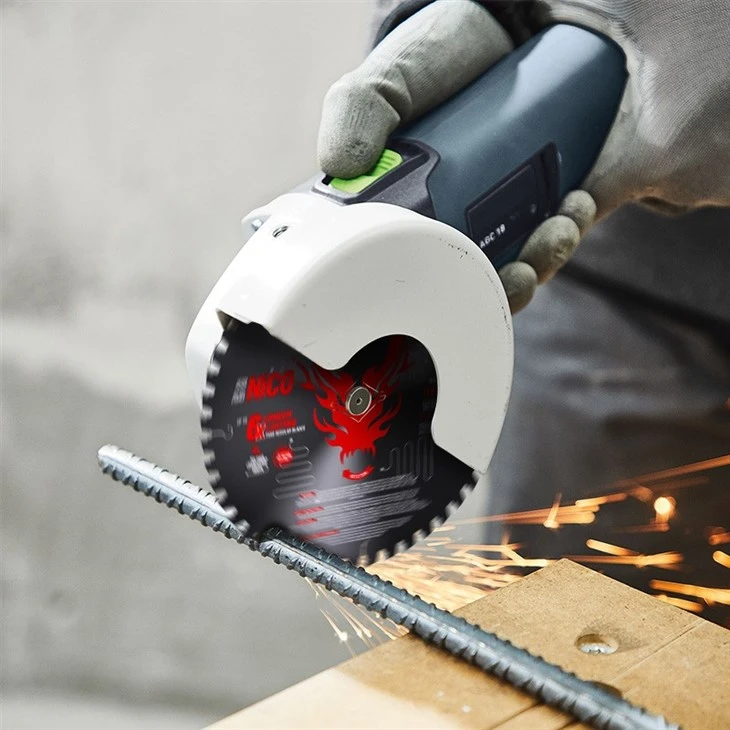

These are circular saw blades for woodworking applications, not weed eater attachments. Each blade must be used with compatible equipment.
6. How to Compare Noise Before Choosing a Blade
If you are deciding between a nylon line and a steel blade, consider more than just how loud the equipment sounds.
A useful comparison should include:
Equipment compatibility: Confirm that the trimmer is designed for the selected cutting attachment.
Cutting application: Consider whether you mainly cut grass, soft weeds, or denser vegetation.
Sound measurements: Use a suitable sound level meter and keep the measurement distance and operating conditions consistent.
Vibration and stability: Check for unusual vibration, loose components, or signs of damage.
Hearing protection: Follow the manufacturer's safety recommendations and applicable occupational noise requirements.
Avoid testing a blade by deliberately striking rocks, concrete, or other hard surfaces. Such contact can damage the blade and create a safety hazard.
Final Thoughts
So, do steel weed eater blades make more noise than string trimmer line? There is no universal answer. The actual noise level depends on the cutting attachment, trimmer model, operating speed, vegetation, and working conditions.
Steel blades may offer advantages for certain vegetation-cutting applications, while nylon line remains a common choice for routine grass trimming and lawn edging. The right option depends on the job and, most importantly, whether the equipment is designed to use it.
At Nakamura, we understand that blade selection involves more than choosing a material or tooth configuration. If you are sourcing steel cutting blades or need help identifying suitable specifications for your application, contact our team to discuss your requirements.