



Cutting fibre cement boards requires a blade designed for abrasive materials. Using an unsuitable blade can lead to rapid wear, rough edges, excessive dust, and reduced cutting efficiency.
A 305mm (12-inch) PCD fibre cement saw blade can be a suitable option for machines designed to accept this diameter. However, blade size alone is not enough. Tooth design, material, arbor size, and machine compatibility all matter.
1. Why Choose a PCD Blade for Fibre Cement?
Fibre cement boards contain cement and reinforcing fibres, making them highly abrasive. Ordinary wood-cutting TCT blades are generally not suitable for repeated fibre cement cutting because their carbide teeth can wear quickly.
PCD (polycrystalline diamond) teeth offer excellent wear resistance for abrasive materials. Specially designed PCD blades also use low tooth counts and large gullets to help remove cutting debris and reduce cutting resistance.
For example, the PCD Fiber Cement Circular Saw Blade is available in diameters including 305mm, with 4T, 6T, and 8T options. The appropriate configuration depends on the material and cutting requirements.
2. Check the Blade Diameter and Compatibility
One important point: 305mm and 7-1/4 inches are not interchangeable sizes. A 7-1/4-inch blade is approximately 184mm in diameter.
Before purchasing, confirm:
Blade diameter supported by your saw
Arbor or bore size
Maximum permitted RPM
Cutting depth and guard clearance
Blade kerf and plate thickness
For smaller jobsite circular saws, a 7-1/4 Fiber Cement Blade may be more appropriate. Always follow the power tool manufacturer's specifications.
3. Consider Tooth Design and Blade Construction
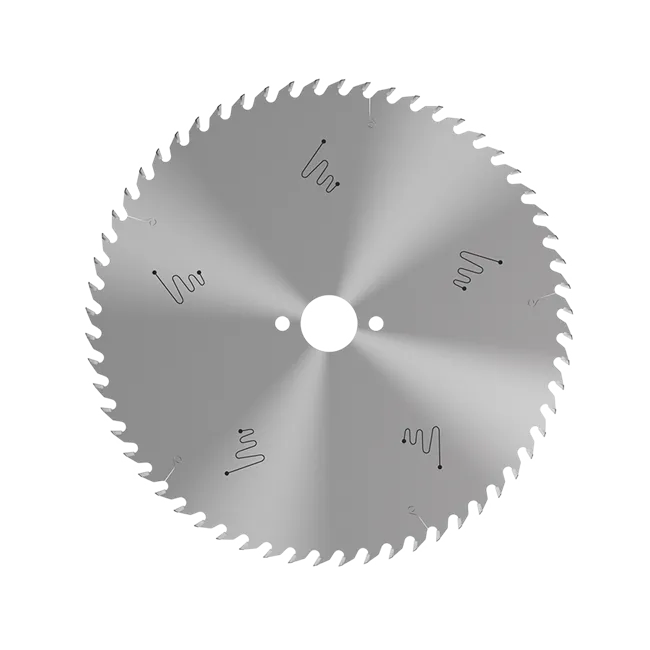
Unlike conventional wood-cutting blades, PCD fibre cement blades typically use fewer teeth. This design helps reduce cutting resistance and provides more space for dust and debris to escape.
Other features worth considering include:
Steel blade body: Provides structural support and cutting stability.
Expansion and stabilizer slots: Help manage heat and vibration.
Large gullets: Support debris removal during cutting.
PCD cutting edges: Improve wear resistance when processing abrasive boards.
For different machine sizes and applications, the 184mm Fibre Cement Blade is another option to consider.


4. Don't Overlook Dust Control and Safety
Cutting fibre cement can release fine dust containing respirable crystalline silica, which presents a serious health risk.
Use suitable dust extraction, follow local workplace safety requirements, and wear appropriate respiratory and eye protection. Do not rely on the blade alone to control dust.
5. Common Mistakes to Avoid
When selecting a fibre cement saw blade, avoid these mistakes:
Using an ordinary wood-cutting blade for abrasive cement boards.
Choosing a blade diameter without checking machine compatibility.
Assuming a higher tooth count always produces a better finish.
Ignoring maximum RPM and arbor requirements.
Cutting without suitable dust extraction and personal protection.
Conclusion
Choosing the right 305mm fibre cement saw blade starts with confirming your machine specifications and understanding the material you need to cut. For abrasive fibre cement boards, a dedicated PCD blade is generally a better choice than a standard woodworking TCT blade.
Nakamura offers PCD fibre cement blades in different diameters and configurations for professional cutting applications. Contact our team with your material thickness, saw model, and required blade specifications to find a suitable solution.