


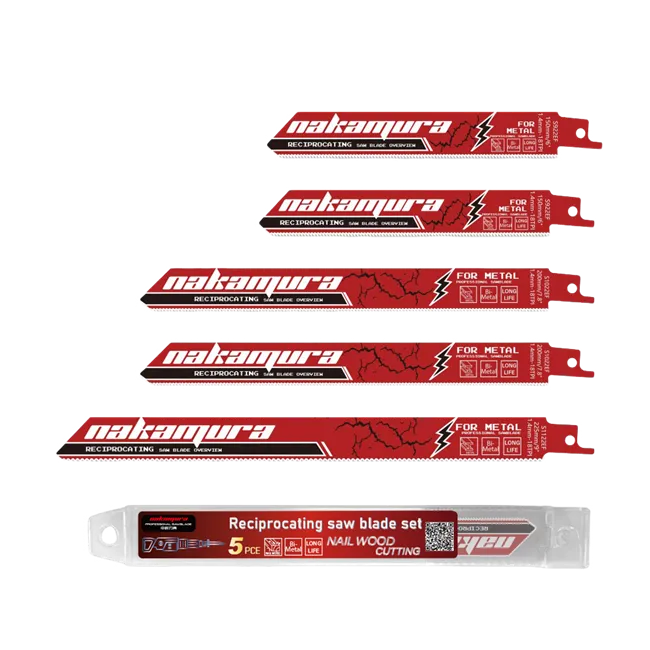
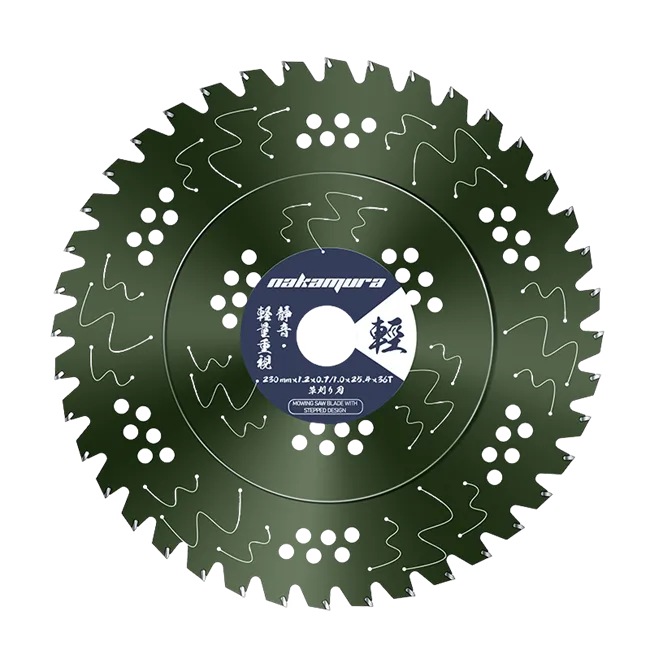

When cutting aluminum, a clean, consistent edge can reduce the need for additional finishing and help improve production efficiency. If a cut leaves excessive burrs, rough edges or an uneven surface, the cause may involve the blade, the machine setup or the cutting conditions.
For aluminum cutting, edge quality is a more useful term than "edge clarity." Understanding the factors that influence it can help buyers choose the right carbide saw blade for their application.
What Is Edge Quality in Saw Cutting?
Edge quality describes the condition of a workpiece after cutting. Depending on the application, it may include:
Burr formation: Unwanted material left along the cut edge.
Surface finish: The smoothness and consistency of the cut surface.
Dimensional accuracy: How closely the cut matches the required dimensions.
Edge consistency: Whether successive cuts produce similar results.
A suitable blade can help achieve a cleaner cut, but the final result also depends on the material, machine condition and operating parameters.
1. Tooth Geometry and Carbide Tip Quality
Tooth geometry plays an important role in how a blade engages with the material. Tooth shape, rake angle, clearance angle and tooth count all influence cutting behavior and the resulting finish.
Carbide-tipped blades are widely used because carbide can retain its cutting edge under suitable operating conditions. However, carbide hardness alone does not guarantee a clean cut. Tooth grinding accuracy, tip condition and the blade's suitability for the material are also important.
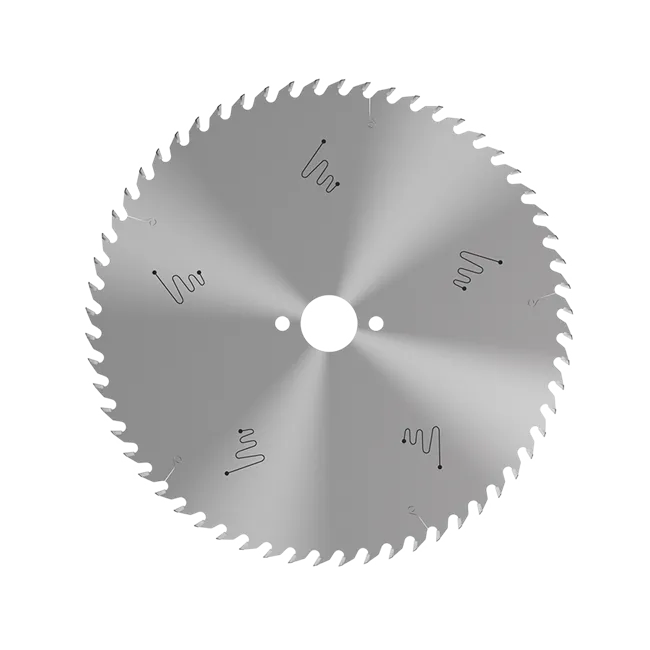
For aluminum profiles, tubes and similar applications, the 10 Inch Aluminum Cutting Saw Blade features TCG (Triple Chip Grind) tooth geometry. This design is commonly used for non-ferrous metal cutting, where the tooth configuration needs to suit the material and cutting requirements.
2. Cutting Speed and Feed Rate
Even a well-designed blade may produce poor results if the cutting parameters are unsuitable.
An excessive feed rate can increase cutting forces and affect edge finish. An unsuitable rotational speed can contribute to heat buildup, material adhesion or inconsistent cutting, depending on the material and equipment.
There is no single RPM or feed rate that applies to every aluminum saw blade. The appropriate settings depend on blade diameter, tooth count, machine type, aluminum alloy and workpiece dimensions.
For large industrial applications, the 900mm Saw Blade for Aluminum is designed for heavy-duty aluminum cutting. Its operating speed and feed rate must be matched to the blade specifications and the equipment manufacturer's recommendations.
3. Material Type and Blade Selection
Different aluminum alloys and workpiece shapes can produce different cutting results. Softer materials may be more prone to material buildup or burr formation, while thicker profiles and solid sections can place greater demands on the blade and machine.
A blade designed specifically for aluminum is generally a better starting point for regular aluminum production than a general-purpose blade. Its tooth geometry and other design features can be selected for the intended material and cutting process.
Multi-material blades can be useful when working with several compatible materials, but they should not automatically be expected to deliver the same finish as a blade optimized for a particular aluminum application.
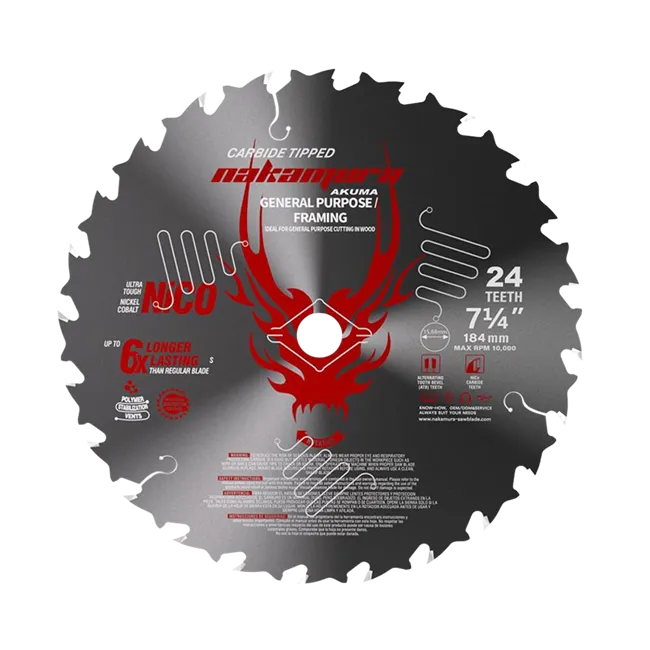
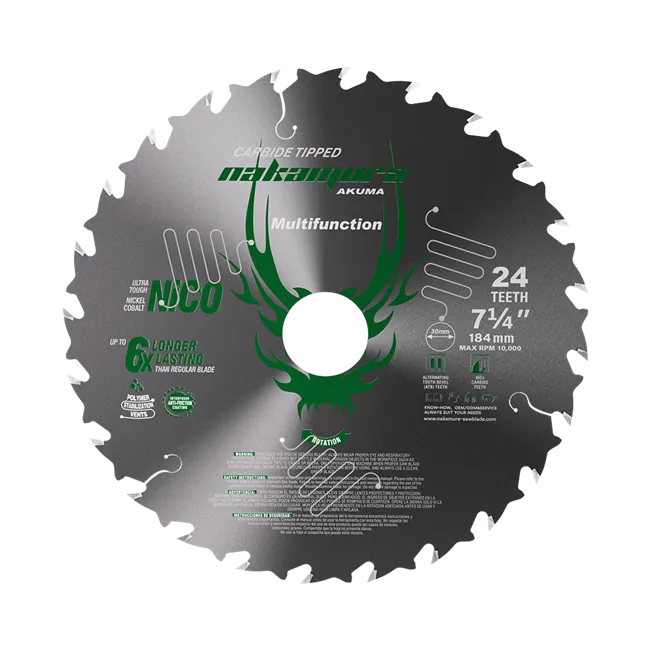
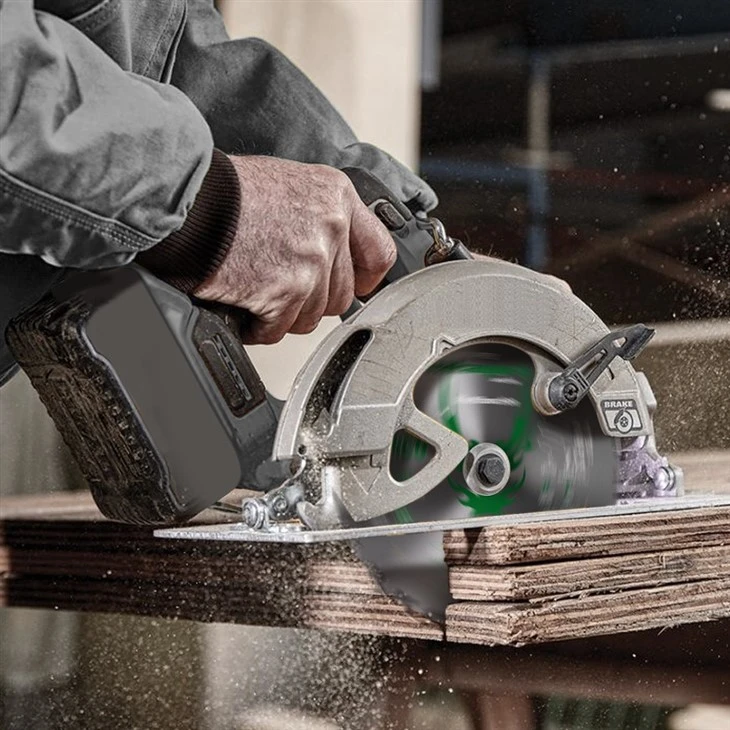
For mixed-material jobs, Nakamura's 7-1/4 Multi-Material Cutting Blades are designed for applications including wood, wood with nails, plastic, aluminum and selected light materials. Always verify compatibility with the specific workpiece and cutting machine.

4. Blade Condition and Maintenance
A worn or damaged blade can gradually produce poorer cutting results. Common warning signs include increasing burr formation, visible tooth damage, unusual vibration and a noticeable change in cutting performance.
To maintain consistent results:
Inspect the blade for chipped or worn teeth before use.
Keep the blade clean using an appropriate method.
Follow the recommended operating speed and feed rate.
Check that the workpiece is securely clamped and the machine is in good condition.
Have suitable blades professionally resharpened when necessary, or replace blades that are damaged beyond repair.
If cut quality deteriorates suddenly, check the machine setup and workpiece support as well as the blade itself.
How to Choose a Blade for Cleaner Aluminum Cuts
When selecting a carbide saw blade, consider the aluminum alloy, workpiece dimensions, machine type, required finish, blade diameter and tooth configuration. These factors work together to determine cutting performance.
A dedicated aluminum blade is often the right choice for regular production, while a suitable multi-material blade may offer flexibility for mixed applications. In either case, following the blade manufacturer's specifications and the machine's operating instructions is essential.
Conclusion
Clean cutting edges depend on more than carbide hardness alone. Tooth geometry, blade condition, cutting parameters, material properties and machine setup all contribute to the final result.
By matching the saw blade to the aluminum application and maintaining suitable operating conditions, manufacturers can improve cut consistency and reduce avoidable finishing work.
If you need help selecting a blade, share your material, workpiece dimensions, machine type and required cut finish with the Nakamura team to identify a suitable specification.